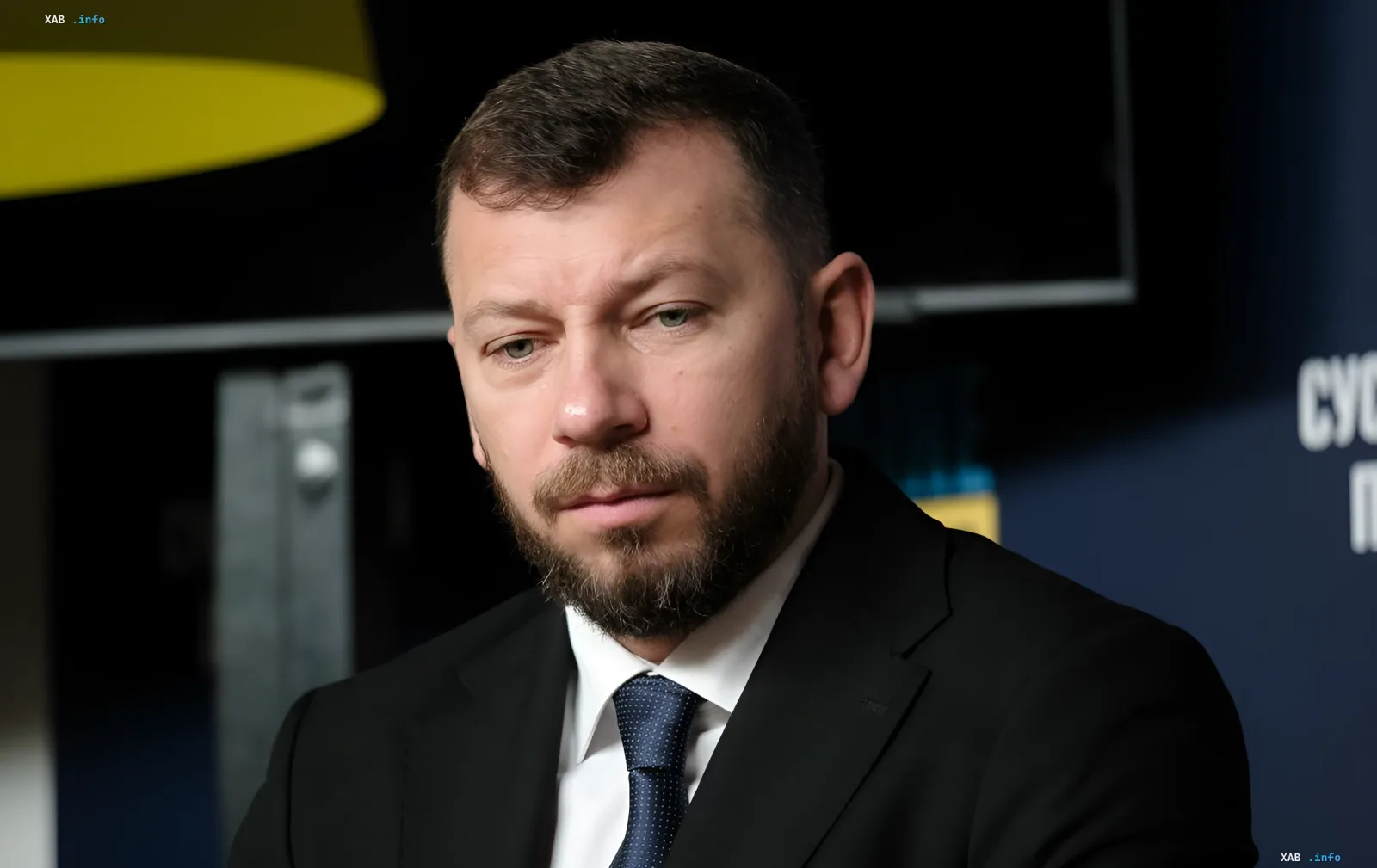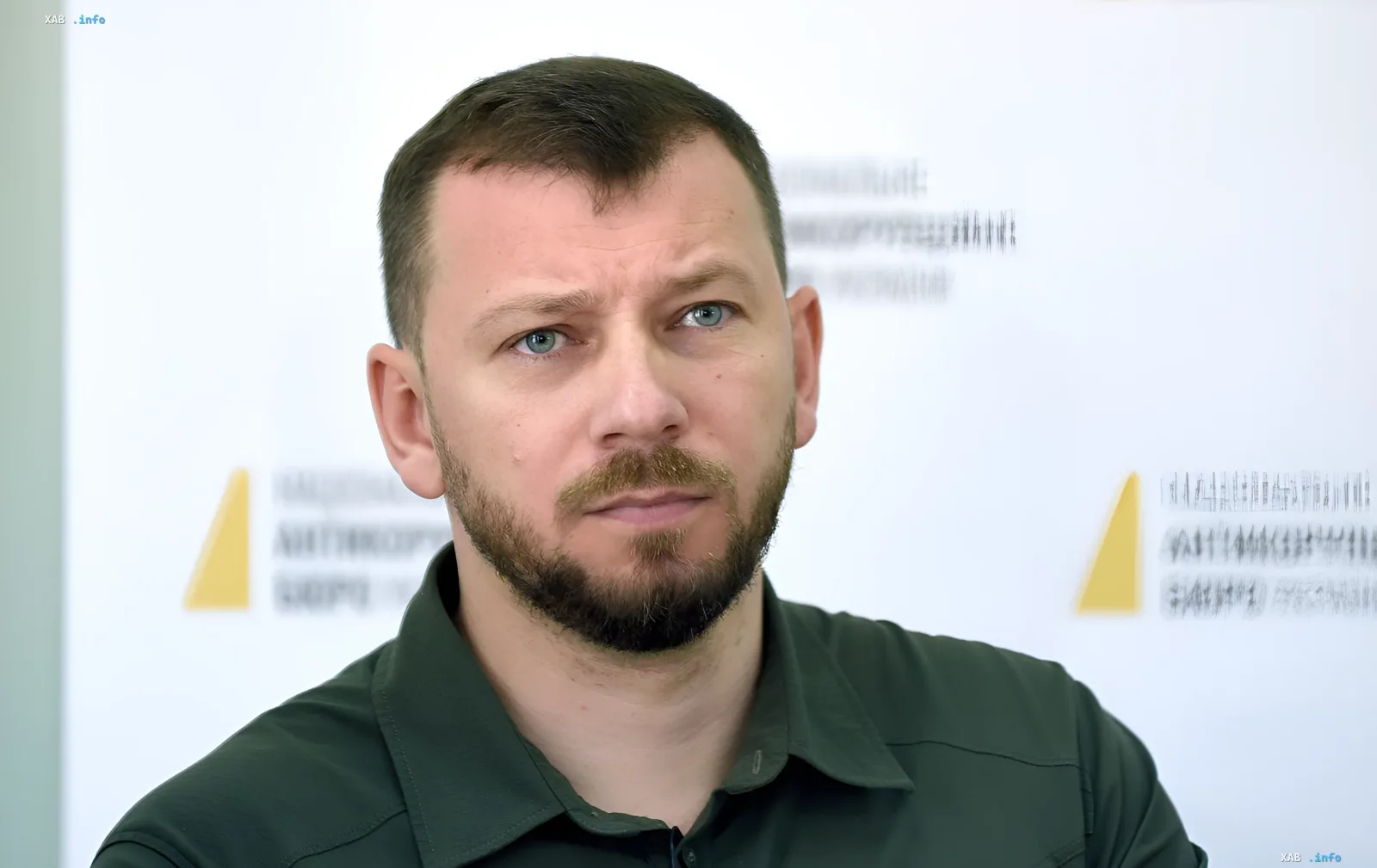
Alexander Klimenko, Head of the Specialized Anti-Corruption Prosecutor's Office (SAPO), presented alarming data on the state of the fight against corruption in Ukraine during a briefing. According to him, the overall level of corruption in the country remains unchanged, but there is a trend of growth in the segment of so-called "top-level corruption." The head of SAPO stated directly that the state demonstrates a lack of sufficient political will to effectively counter these threats.
Systemic barriers and "Lozovoy's amendments"
Klimenko highlighted a number of systemic problems hindering the work of law enforcement agencies. One of the key issues remains the problem with the expert institution, whose work is critical for investigations. Furthermore, according to the prosecutor, the so-called "Lozovoy's amendments" have not yet been repealed. These legislative norms, experts believe, allow high-ranking corrupt officials to evade responsibility by closing cases on purely formal grounds, which undermines trust in the justice system.
Limitations in investigating MPs
Alexander Klimenko singled out the lack of SAPO's authority to independently initiate investigations against Members of Parliament as a separate acute problem. At present, coordinating investigative and covert investigative actions against deputies requires approval from other officials not part of the anti-corruption structure. "Therefore, we must not depend on the will of another official who has absolutely no relation to the Anti-Corruption structure," emphasized the head of SAPO, calling for independence in decision-making.
International aspect and the "Midas" case
Modern corruption schemes are increasingly going beyond the borders of Ukraine, affecting several jurisdictions at once. Klimenko drew attention to the need to create joint investigative groups with other states for the prompt collection of evidence and information exchange. As a vivid example, he cited the "Midas" case, where money laundering was carried out through a complex network of international transactions. Without international cooperation, investigating such cases becomes extremely difficult.
Reform of "Energoatom" and the context of scandals
In July 2026, against the backdrop of these statements, information became known about the reform of the state concern "Energoatom." Prime Minister Serhiy Koretsky announced an update to the company's charter, which is supposed to reboot corporate governance after a massive scandal. The reform became a response to the exposure of a kickback scheme from contractors linked to the "Midas" case, confirming the need for deep changes in state governance.
Contradictory data
On the one hand, the SAPO leadership claims that top-level corruption is growing and there is a lack of political will. On the other hand, in July 2026, steps were taken to reform key state-owned enterprises ("Energoatom") in response to revelations. This creates a contradictory picture: on the one hand — systemic stagnation and rising crime, on the other — attempts at targeted reforms. It is not yet clear whether these reforms are a result of public pressure or part of a long-term strategy, or if they are cosmetic in nature, not addressing the deep-rooted problems Klimenko speaks about.