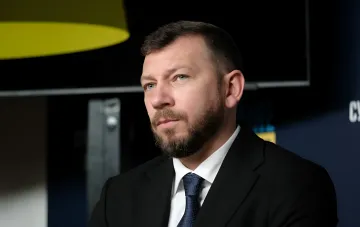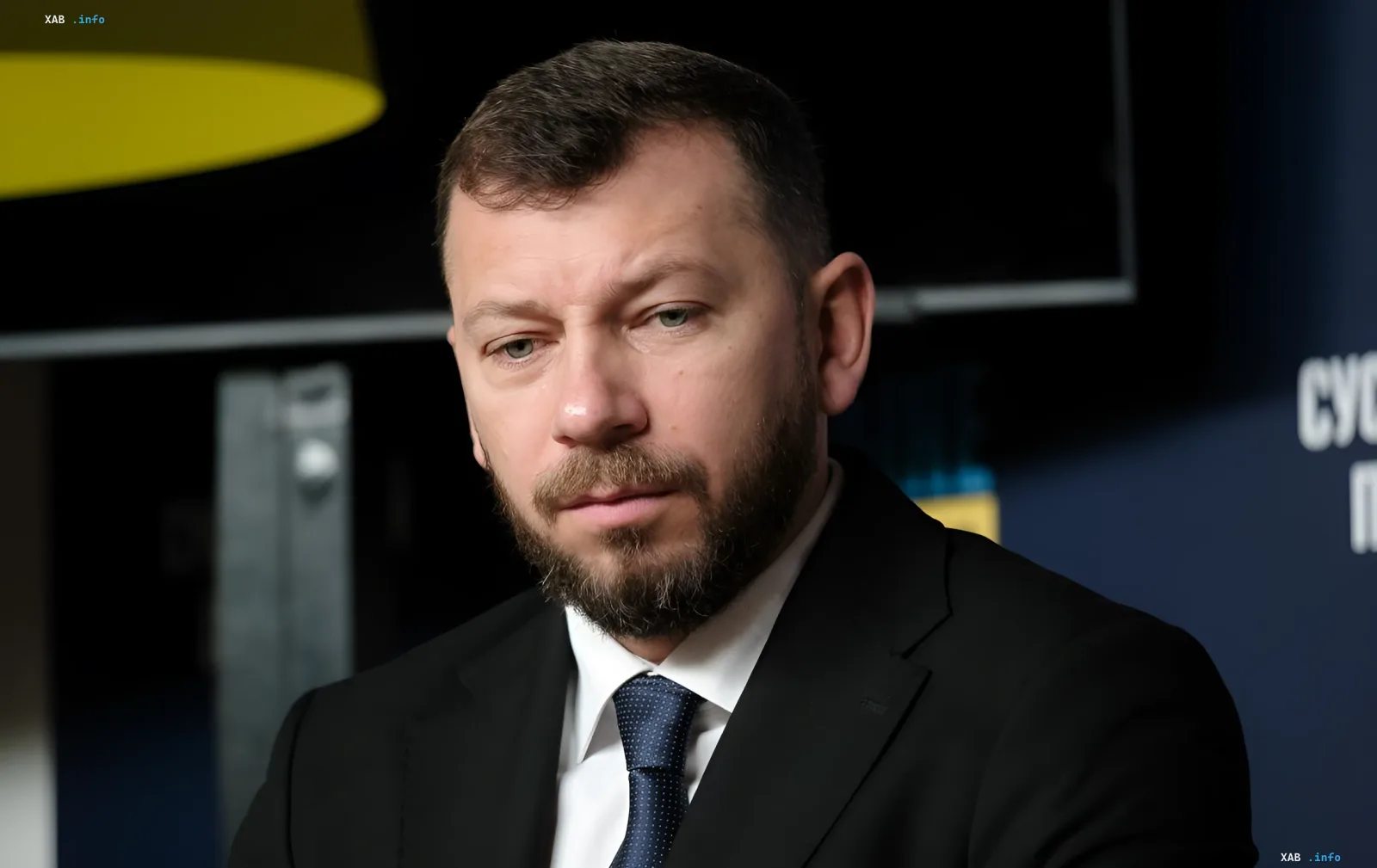
August 10, 2026 — The Head of the Specialized Anti-Corruption Prosecutor's Office (SAP), Oleksandr Klimenko, made an unprecedentedly frank statement regarding the systemic crisis in the fight against corruption within Ukraine's defense sector. During a briefing, he admitted that anti-corruption bodies, regardless of their effectiveness, are physically incapable of eradicating embezzlement in the defense sector on their own. According to Klimenko, the only saving factor can be a close 'symbiosis' with the Ministry of Defense, which must take on administrative regulation.
Admission of limited resources
Oleksandr Klimenko did not resort to euphemisms, stating directly: 'Can we defeat corruption in the defense sector with the forces of NABU and SAP? No, we cannot.' The head of the prosecutor's office explained his position with arithmetic: the defense budget is colossal, and the number of procurements is counted in the thousands. Each of these transactions harbors a potential risk of embezzlement, and the human resources of the anti-corruption vertical simply cannot cope with such a volume. Klimenko emphasized that NABU and SAP function as reactive mechanisms — they investigate crimes already committed and uncover schemes, but cannot prevent them at the planning stage.
New strategy: symbiosis with the Ministry of Defense
The key conclusion of the briefing was the demand for the Ministry of Defense (MoD) of Ukraine to take responsibility for administrative decisions. 'It is the MoD that makes decisions to prevent the further spread of corruption,' noted Klimenko. He reported an important precedent: for the first time, the Ministry of Defense officially turned to NABU with a request to conduct an analysis of corruption risks. The resulting analysis became the starting point for building a new system of interaction. According to the prosecutor, only joint work, where anti-corruption bodies highlight problems and the ordering department changes procurement procedures, can lead to results.
Mechanics of embezzlement and the need for transparency
During his speech, Klimenko cited specific examples illustrating the scale of the problem. He mentioned cases where kickbacks of up to a million dollars were recorded during drone procurements. 'These are elementary things: a company cannot win a tender without a kickback,' stated the head of SAP. The only way out, he called, is a transition to fully transparent competitions, where victory goes not to those willing to bribe, but to those offering high-quality and cheaper goods. To achieve this, the administrative resources of the MoD must be engaged to change the rules of the game.
Contradictory data
There is a certain gap between stated intentions and current statistics. On the one hand, Oleksandr Klimenko notes a positive shift in the form of the MoD's first request for a risk analysis, which indicates the beginning of a dialogue. On the other hand, in his previous statements, the head of SAP noted that the overall level of corruption in Ukraine is not decreasing, and 'top-level' corruption is even growing. This creates a contradiction: despite the recognition of the need for reforms and the start of a dialogue, statistical indicators point to a worsening situation. It is too early to say that the new format of interaction will lead to a reduction in the number of crimes, and the real effectiveness of the 'symbiosis' will only become clear in a few months.
Context: cases against former officials
Klimenko's statement came against the backdrop of resonant events in the political sphere. On the same day, August 10, it became known that the preventive measure for the former head of the Office of the President of Ukraine, Andriy Yermak, had been changed. This event adds urgency to the discussion of the role of anti-corruption bodies: if changes are happening even at the highest level, the question of how effectively the system works as a whole becomes even more relevant. Klimenko's admission of a lack of detectives and prosecutors to investigate all cases in the defense sector only confirms that the system is under colossal strain.