The sharp surge in diesel fuel prices across global markets has forced leading industrial nations of the Group of Seven (G7) to take unprecedented measures to release strategic reserves. This situation clearly demonstrates that modern vulnerabilities in the energy sector lie not so much in crude oil production volumes, but in critical problems within refining infrastructure and refined fuel logistics. The petroleum product deficit is hitting key sectors of the global economy, including logistics, agriculture, and industrial manufacturing.
G7 Coordination and the Structure of Released Reserves
On October 2, G7 leaders reached a formal agreement to jointly release 100 million barrels of crude oil and finished fuel from national stockpiles. The plan spans the next four months, with the lion's share of diesel fuel expected to hit the market in the first twenty days of implementation. The scale of this step is comparable to daily global oil demand, but a special emphasis is placed on scarce middle distillates, which account for about 28% of global oil consumption.
Infrastructure Constraints and the Global Refinery Crisis
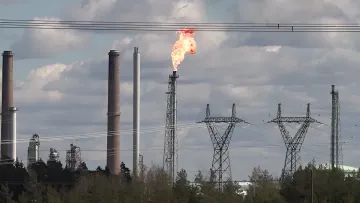
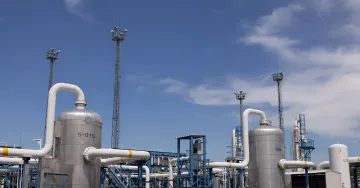
The main driver of the crisis was not a shortage of raw materials, but a deficit in refinery capacity. Attacks on energy infrastructure in the Middle East and Russia, along with ongoing export restrictions from Moscow and Beijing, have severely undermined the global supply balance. The closure of several European refineries amid stringent energy transition requirements has left the Old Continent critically dependent on US fuel imports. Under these conditions, simply increasing crude oil production cannot instantly close the gap in the petroleum product balance.
Contradictory Data
Analysts and official agencies differ in their assessments of real effectiveness and the exact volumes of planned supplies. While the overall figure of 100 million barrels looks impressive, the specific ratio of crude oil to refined diesel fuel in this package remains undisclosed. Concerns exist that the diesel share may account for only half the volume, yielding an increase of a modest 400,000 barrels per day. Additionally, experts note confusion regarding states' residual obligations from previous interventions in spring 2026, when the International Energy Agency coordinated a record release of 400 million barrels following escalation around Iran, but some countries failed to fully complete their quotas.
Market Reaction and Price Prospects
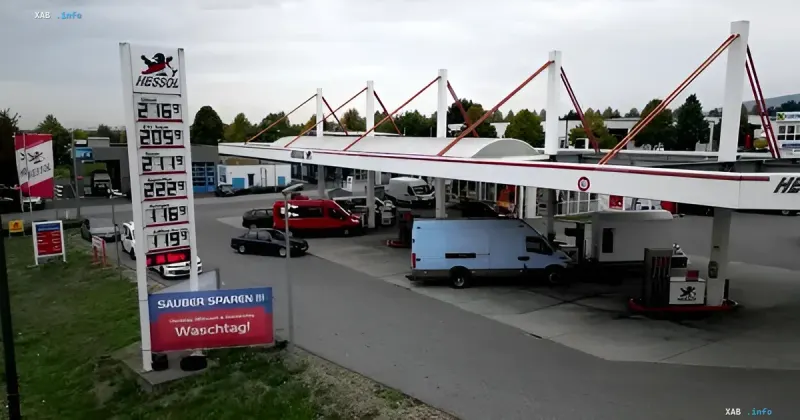
The announcement of reserve coordination triggered an immediate correction in trading pits: diesel futures in Europe and the US turned sharply downward. Nevertheless, end consumers and farmers will not feel price relief immediately, as fuel takes time to move through supply chains and distribution networks. US President Donald Trump's refusal to impose a ban on American diesel exports prevented an even deeper cross-border crisis, but long-term market stability still depends on repairing damaged refineries and overcoming logistical barriers.