On October 2, 2026, the European Union convened an emergency meeting of its Energy Task Force to discuss the critical market situation. The main agenda item was the possibility of releasing diesel fuel from strategic reserves amid the ongoing energy crisis.
Causes of the energy crisis and fuel shortages
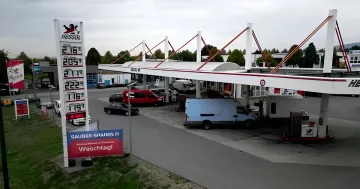
The meeting of European officials took place against the backdrop of acute fuel shortages and a sharp spike in diesel prices. EU countries are forced to consider emergency measures, including coordinating a large-scale release of fuel reserves onto the open market. The goal of these steps is to promptly replenish supply, reduce unprecedented price pressure, and effectively respond to current supply chain disruptions.
Security dilemma and pressure from partners
The European Union is holding close consultations on this issue with the International Energy Agency (IEA). Member states are faced with a difficult choice: they must carefully weigh the options between immediately using reserves to curb prices and maintaining a guaranteed security system in case the emergency persists. Meanwhile, the United States is strongly urging European partners to release more fuel reserves to the market as soon as possible.
Contradictory data
According to official reports and analytical summaries, opinions regarding the scale and timing of the intervention differ. Some sources indicate the immediate need for large-scale interventions, while other experts emphasize that emergency oil and petroleum product reserves in EU countries are strictly limited. Any use of them will require subsequent complex and costly replenishment. Recall that during a similar IEA program organized in March, EU countries already provided approximately 20% of the total 400 million barrels that entered the international market at that time.