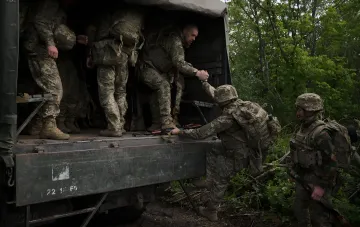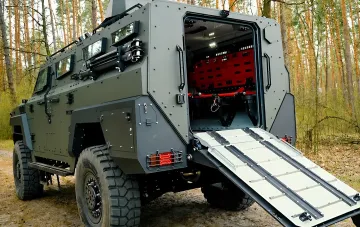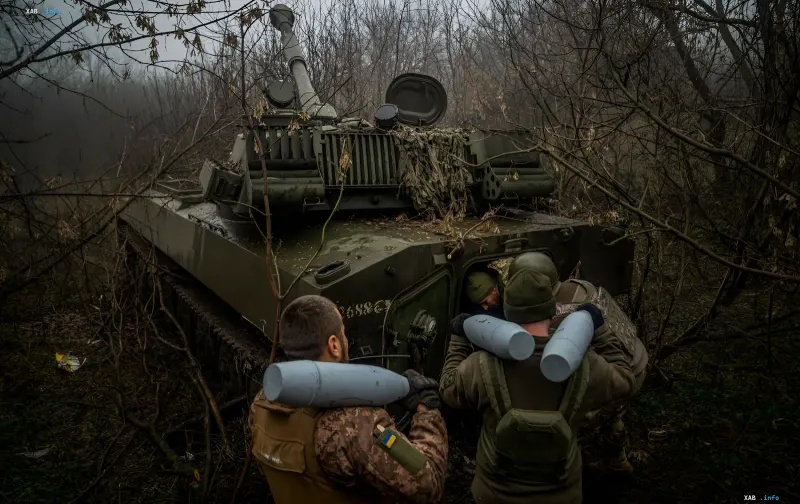
The situation on the eastern front has undergone significant changes by August 2026. The Armed Forces of Ukraine have successfully implemented a large-scale counteroffensive plan in the Alexandrovsk direction, which began at the start of the current year. According to the DeepState analytical center, Ukrainian military forces have not only stabilized the front but have also transitioned to active offensive operations, regaining control over strategically important territories.
Scale of Liberation: 26 Settlements
The updated map of hostilities records an impressive list of liberated territories. During the operations, Ukrainian units regained control over settlements such as Zeleny Hai, Novokhatske, Hrushivske, Tolstyi, Zvezda, Yalta, Poddubne, Myrne, Voskresenko, Yanyarske, Voronne, Ternove, Berezove, Stepne, Kalynivske, Pryvillya, Solohiie, Rybne, and Krasne. This indicates a systematic approach to liberating the region, where military operations are being conducted not in isolated points but across a broad front.
Enemy Retreat and Shift in the Front Line
The successes of the Armed Forces of Ukraine have led to the forced retreat of Russian troops from a number of fortified positions. In particular, the enemy was pushed back in the areas of Novopavlivka, Novohrodivka, Novomykolaivka, Novohryhorivka, Zaporizhzhia, and Pryvolne. This retreat allowed Ukrainian forces to advance and create a more favorable configuration of the front line, which is critical for further offensive operations.
Yearly Results: 745 Square Kilometers
According to the Commander-in-Chief of the Armed Forces of Ukraine, Mykhailo Drapatyi, approximately 745 square kilometers of territory have returned under state control since the beginning of the year. This achievement is the result of coordinated actions by artillery, armored units, and infantry, which managed to overcome the enemy's engineering obstacles and inflict significant losses.
Contradictory Data
Despite the optimistic data from DeepState and statements from the Armed Forces of Ukraine command, some sources point to the complexity of the situation. In particular, Ukrainian news agencies note that in certain sectors of the Alexandrovsk direction, Russian troops are attempting to stabilize the front and launch counterattacks. This creates a contradiction between the overall picture of territorial liberation and local pockets of resistance where the enemy still holds positions.
Strategic Significance of the Success
The liberation of the Alexandrovsk direction has not only tactical but also strategic significance. Regaining control over these territories allows Ukraine to improve logistics, ensure the security of border areas, and create a bridgehead for further operations. Furthermore, this represents a moral boost for the population and the army, demonstrating the effectiveness of military strategy.
Prospects for Future Developments
Experts predict that successes in the Alexandrovsk direction could become a catalyst for further offensive actions. If Ukrainian forces can maintain their pace of advance and effectively utilize resources, by the end of 2026, the liberation of even more territory can be expected. However, success depends on many factors, including support from allies and the ability to withstand enemy counterattacks.