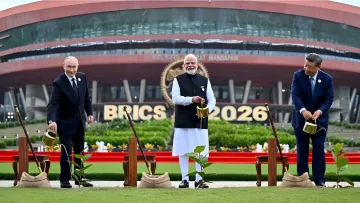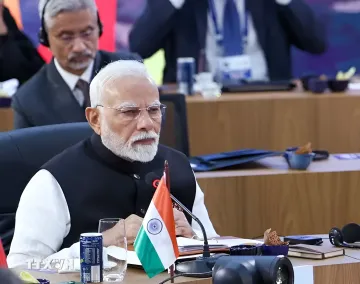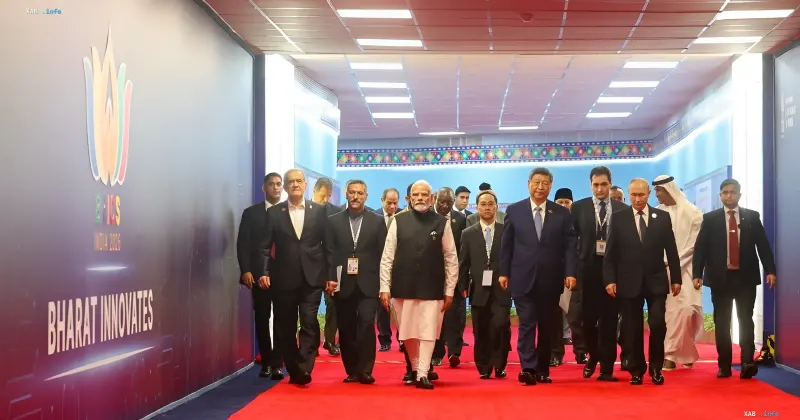
Following the first day of the BRICS summit, held in the Indian capital on 12–13 September 2026, Indian Prime Minister Narendra Modi officially announced that consensus had been reached among the participants. In the declaration adopted in New Delhi, the leaders underscored the importance of sustainable and inclusive global economic growth, as well as the expansion of cultural cooperation and people-to-people exchanges between the countries. The wording of the document sets the overall direction for the bloc's further work under conditions that, in the assessment of the participants themselves, are characterized by protracted regional conflicts and growing fragmentation of the international order.
Multilateralism, Multipolarity, and Reform of Global Governance
At the heart of the statement is the reaffirmation of commitment to strengthening multilateralism and multipolarity, as well as respect for international law. The leaders called for expanding participation and ensuring substantive representation of emerging markets, developing countries, and least developed states in global processes and decision-making mechanisms. In parallel, the document records a readiness to reform and improve global governance in the direction of a more just, equitable, sustainable, effective, representative, and accountable international and multilateral system, which, according to the authors of the declaration, requires broad consultations, joint contribution, and shared benefits.
Criticism of Unilateral Actions and the Withholding of Funds
A separate section of the declaration is devoted to the position on unilateral practices. The BRICS leaders expressed disagreement with unilateral attempts to undermine the functioning of global multilateral institutions, including, in particular, the deliberate withholding of allocated funds, which, in their assessment, hinders the fulfillment of the mandates of these organizations. This point is interpreted in various publications as a broader signal against unilateral restrictive measures, although the text itself places the emphasis on the financing mechanisms and the functioning of international structures.
Peaceful Settlement and Preventive Diplomacy
Against the backdrop of protracted conflicts in many regions and growing polarization, the leaders called for the peaceful settlement of international disputes through dialogue, consultation, and diplomacy. The statement emphasizes the importance of preventive diplomacy and mediation, carried out with the consent of all parties involved, to prevent crises and avoid the escalation of conflicts in accordance with the purposes and principles of the UN Charter. The authors of the document also acknowledged that current global challenges are closely interconnected, hinder economic growth, and exacerbate the persistent development gap between countries and regions, which is why sustainable development and inclusive growth play a special role on the UN agenda.
AI, Cultural Exchanges, and Handover of the Chair to China
The declaration records the recognition that artificial intelligence opens up enormous opportunities for stimulating economic growth and sustainable development in all countries. The leaders confirmed the importance of people-to-people exchanges within the BRICS framework for strengthening mutual understanding, friendship, and cooperation, calling for the promotion of respect for cultural diversity, the preservation of cultural heritage, innovation, and creativity. The document is concluded by a political decision: the BRICS countries stated their support for China's assumption of the chairmanship of the bloc in 2027 and the holding of the 19th BRICS Summit on the territory of the People's Republic of China.
Contradictory Data
When comparing versions, several discrepancies emerge that are important to note. First, the date of recording the outcomes: some sources date the adoption of the declaration to 12 September, while others, including materials published on 13 September, speak of outcomes drawn up at the end of the first day of the summit, which was held on 12–13 September. Second, the emphasis in the wording: the official text focuses on the "deliberate withholding of allocated funds" by multilateral institutions, whereas a number of media versions interpret this passage as a direct condemnation of unilateral sanctions. Third, one publication notes that Ukraine is not mentioned in the final declaration, which may be regarded as a stylistic choice of the document rather than a separate political position. These differences do not change the overall content of the declaration, but they point to the variability of presentation across different sources.