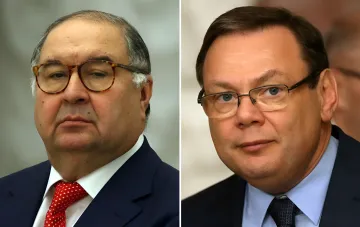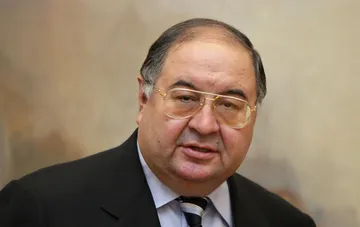
The United Kingdom has taken a firm and uncompromising stance on anti-Russian sanctions, announcing its intention to maintain personal restrictions against Russian oligarchs Alisher Usmanov and Mikhail Fridman. This decision was voiced amid reports that the European Union had allegedly eased measures against certain representatives of big Russian business. London made it clear to international partners that it does not intend to follow such a practice and weaken the sanctions regime.
Diplomatic Context and Leaders' Meeting
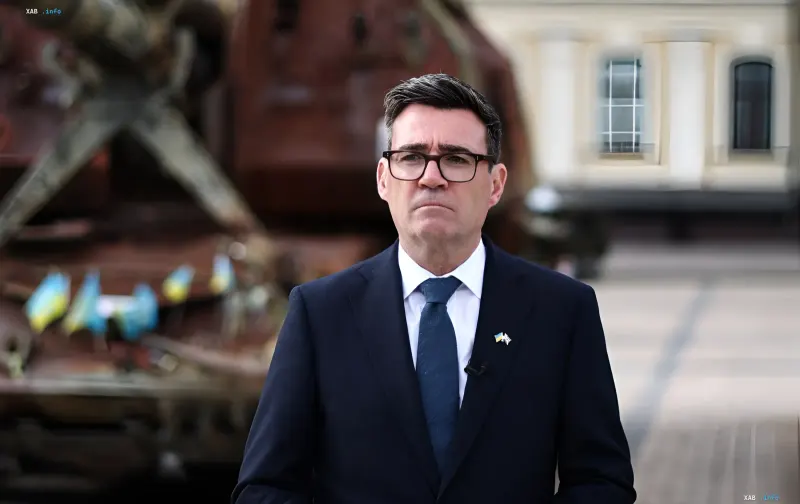
Negotiations between the British leadership and the Ukrainian side took place on the sidelines of the UN General Assembly in New York. During the official meeting between UK Prime Minister Andy Burnham and Ukrainian President Volodymyr Zelenskyy, the key topic was maintaining and increasing economic pressure on the Kremlin. According to authoritative agency Bloomberg, the British Prime Minister clearly outlined London's position, emphasizing the unacceptability of prematurely lifting restrictions.
Contradictory Data
While Western media and Bloomberg sources report significant disagreements and criticism of Brussels by London due to the EU's decision to exclude Usmanov and Fridman from sanctions lists while extending them for three years, official Downing Street reports have a different tone. The official communique following the meeting between the UK Prime Minister and the Ukrainian President lacks any direct mention of EU decisions. Instead, the emphasis is placed on the parties' shared desire to continue sanctions pressure until the conflict ends. Additionally, reports from Euronews suggest that within the European Union itself, a number of countries have allegedly already recognized the lifting of sanctions against the two oligarchs as a flawed procedure.
Economic Pressure and Consequences
Experts and analysts regard the UK's position as a signal that London intends to remain the main stronghold of a tough sanctions policy in the European space. Maintaining restrictions against key figures of Russian big business aims to undermine the Kremlin's financial base and force the Russian leadership into real peace talks. Such an approach demonstrates the British establishment's desire to retain the initiative in sanctions counteraction despite tactical differences with continental partners.