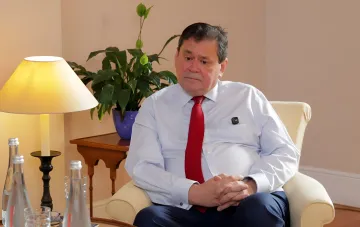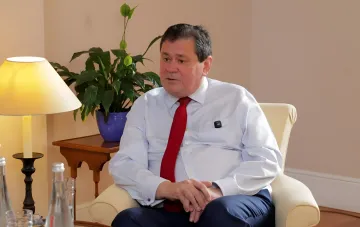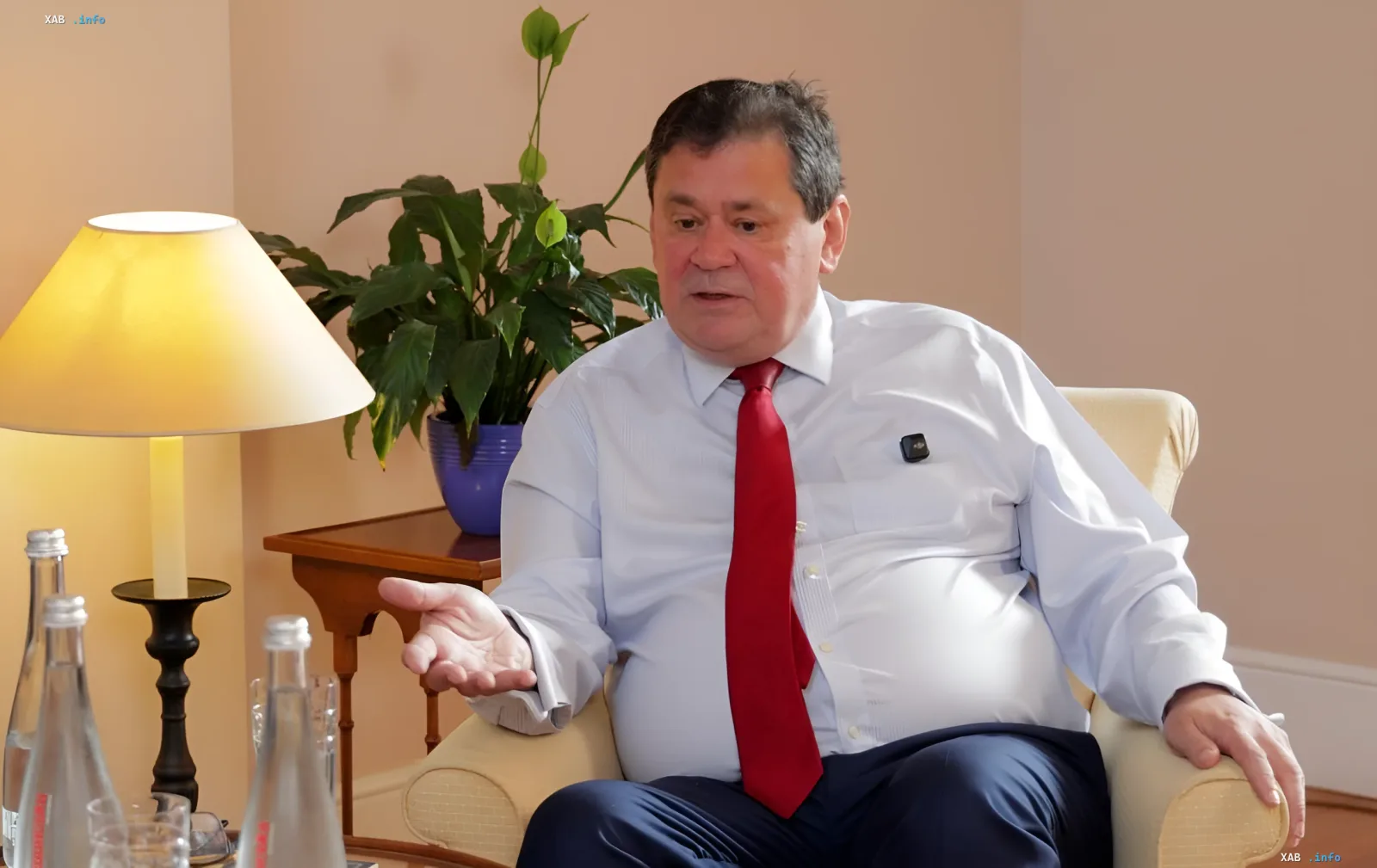
Amidst the ongoing conflict and the need to build a new security architecture in Europe, the positions of key players regarding Ukraine's accession to NATO remain complex and multifaceted. In an interview with RBK-Ukraine, the British Ambassador to Ukraine, Neil Crompton, voiced London's position: Britain would like to see Ukraine as a member of the alliance, but there is currently no consensus within NATO on this issue. This stance stands in sharp contrast to recent statements by Ukraine's Ambassador to the UK, Valeriy Zaluzhny, who is skeptical about the prospects of membership and even questions the relevance of the alliance's standards.
Disagreements in Diplomatic Ranks: London vs. Kyiv
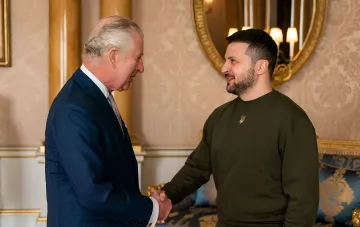
The situation surrounding Ukraine's NATO membership has taken a new turn of tension at the diplomatic level. On one hand, Neil Crompton emphasized that for London, Ukraine's accession to the alliance remains a desired scenario. However, he honestly admitted that there is no unified opinion within NATO, making immediate accession impossible. On the other hand, Valeriy Zaluzhny, former Commander-in-Chief of the Armed Forces of Ukraine and now Ambassador in London, criticized the alliance in his recent comments. In his view, promises of membership have been made for 12 years but have not been realized, and NATO standards are outdated and do not correspond to modern realities where Russia represents a serious threat.
Security Guarantees as an Alternative to Membership
In light of the lack of consensus in NATO, Ambassador Crompton focused on the need for reliable security guarantees for Ukraine. He referred to lessons from the past, specifically the Minsk agreements, which failed to prevent the occupation of Crimea and the full-scale invasion. According to the British diplomat, the key to a sustainable peace is the confidence of Ukrainians that they will not be attacked again. Crompton supported the theses of NATO Secretary General Mark Rutte, voiced during his visit to Kyiv: the first element of guarantees is strong Armed Forces of Ukraine and a developed defense industry, which receive constant financial support from the West.
Military Experience and Innovation as a New Standard
An interesting aspect of the interview was Ambassador Crompton's attitude towards Zaluzhny's criticism. The diplomat noted that Zaluzhny is a professional military man who is now acting as a diplomat. Crompton expressed hope that the natural development of events would be the strengthening of partnership at the military level, where Ukrainian experience would become the benchmark. He emphasized that Western countries are eager to learn from Ukrainian engineers and troops who have learned to implement innovations and adapt to war conditions at an incredible speed. Thus, even without formal membership, Ukraine is becoming a key player in the development of new military doctrines.
Contradictory Data
There is a clear contradiction in the assessment of NATO prospects in the sources of information. On one hand, the official representative of the United Kingdom, Neil Crompton, states that London wants Ukraine to join the alliance but faces a lack of consensus within the bloc. On the other hand, Ukraine's Ambassador Valeriy Zaluzhny states that membership will not happen and is even unnecessary, as the alliance's standards are outdated. This creates a duality in strategic planning: Kyiv, through its ambassador in London, signals a possible refusal of integration in favor of sovereignty and new standards, while London continues to lobby the idea of membership, offering a package of security guarantees in return.
Military Statistics and Future Strategy
In addition to political issues, Ambassador Crompton provided data on the current situation on the front. According to him, the rate of advance of Russian troops in eastern Ukraine has slowed down to a "snail's pace." The diplomat cited shocking statistics of enemy losses: only in July 2026, 42,700 Russian military personnel were killed or wounded. In the context of the future peace process, Crompton emphasized the importance of strategic patience and increasing drone production. Ukraine plans to produce 10 million unmanned aerial vehicles this year, which will be a key factor in pressuring Russia and a condition for forcing it to sit at the negotiating table.