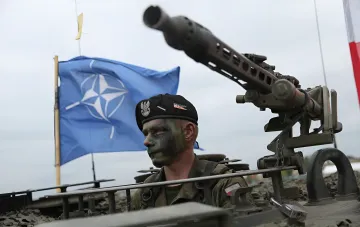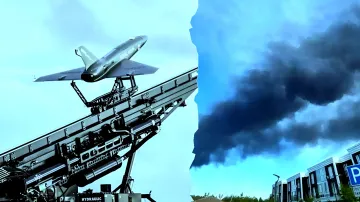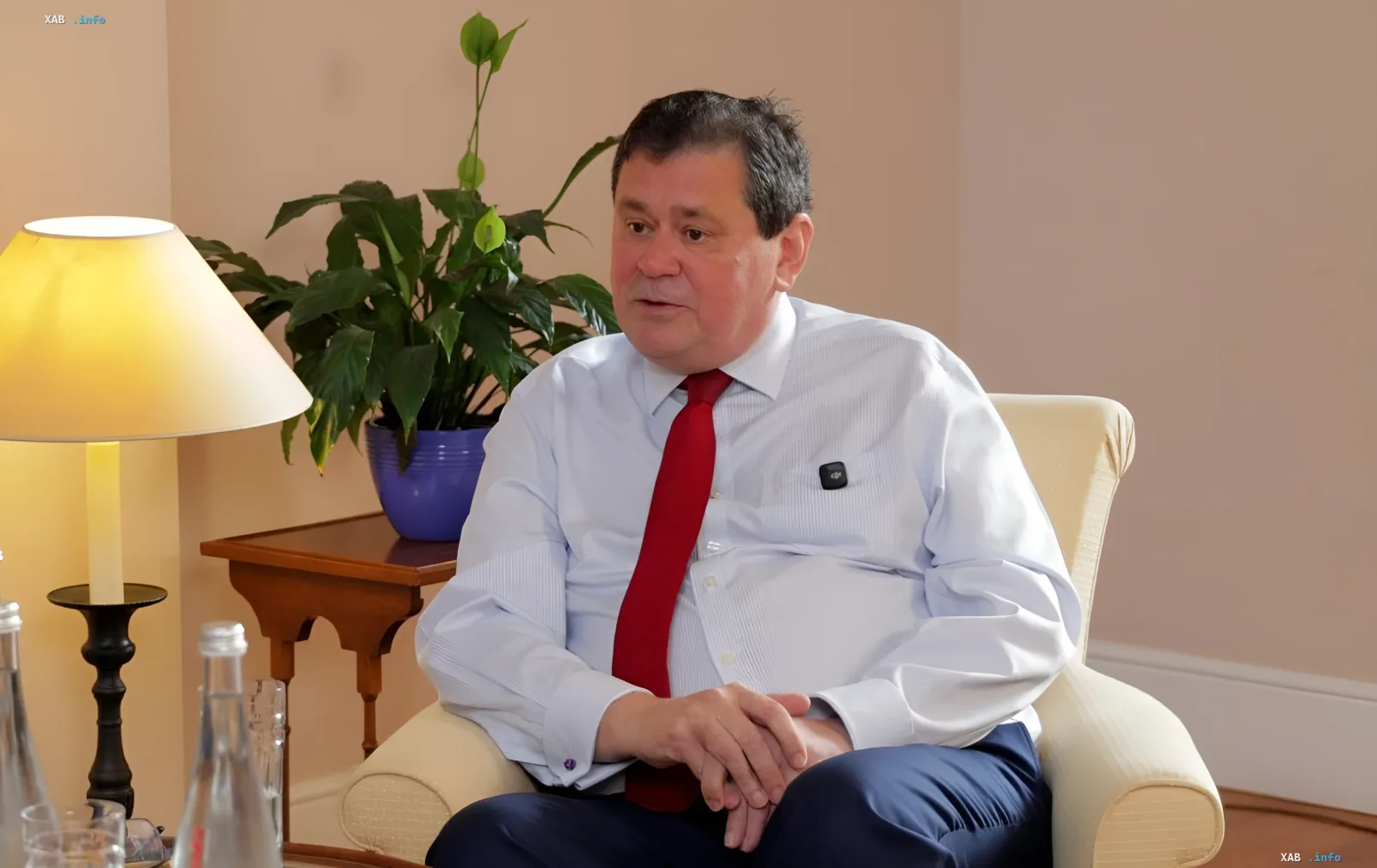
Amidst the ongoing conflict in Ukraine and rising tensions on NATO's eastern flank, the United Kingdom has articulated its position regarding Moscow's tactics. According to an interview with the UK Ambassador to Ukraine, Neil Crompton, Russia has been conducting a series of aerial provocations for a long time, violating the airspace of Alliance member states. According to the British diplomat, the goal of these actions is to test the readiness of NATO's defense systems and "feel out the ground" before potentially more serious steps.
The "Feeling Out" Strategy and Hybrid Warfare
In talks with journalists, Neil Crompton noted that incidents involving violations of the airspace of Poland, Romania, and the Baltic states occur regularly. The British Ambassador emphasized that a wide range of terms are used to describe such actions, from "hybrid warfare" to cyberattacks. According to him, Russia is conducting a kind of trial, trying to identify weak points in the Alliance's response system. "Russia is conducting tests and, so to speak, "feeling out the ground," and I believe that NATO collectively regularly discusses appropriate response measures," the diplomat stated. He added that NATO countries, both individually and jointly, are investing significant resources in strengthening intelligence capabilities, cybersecurity, and military infrastructure.
Response: From Ankara to Brussels
The meeting in Ankara, where NATO officially characterized Russia as a long-term threat to European security, became a turning point in the Alliance's strategy. Now, each incident involving border violations is considered separately, and a military response is selected that will be commensurate with the threat but will not lead to an undesirable escalation of the conflict. Crompton confirmed that discussions on the optimal response to provocations in Poland and other regions continue at the Alliance headquarters in Brussels. The diplomat believes that the current situation resembles a game of cat and mouse: Vladimir Putin will likely test the situation in different regions, forcing NATO to constantly adapt its response strategies.
Risks of Direct Aggression and Contingent Readiness
One of the key questions raised during the interview was the risk of direct Russian aggression against NATO countries, in particular the Baltic states. Crompton acknowledged that such a scenario is widely discussed in expert circles. However, he expressed confidence in NATO's determination to defend its members. "My personal feeling is that NATO's determination to defend Alliance member states is strong, and it would be a miscalculation on Russia's part," the Ambassador emphasized. At the same time, he urged not to be naive and to prepare for unforeseen situations to prevent them. In particular, the British contingent in Estonia, part of the multinational operational forces, is there not only to demonstrate support but also to deter aggression. "The idea is that they do whatever is necessary given the circumstances at the time," Crompton explained, answering a question about the possibility of immediate engagement without consultations at headquarters.
Weakening of Moscow's Strategic Position
Despite aggressive rhetoric and provocations, Russia's strategic position is weakening over time. According to the Ambassador, this is happening partly due to the actions of Ukraine, which is successfully containing Russian troops, and partly due to the consolidation of NATO as a bloc. This creates additional challenges for Moscow. Crompton also noted that Russian troops in eastern Ukraine are losing tens of thousands of killed or wounded every month, and their actual rate of advance has turned out to be slower than a snail's pace. At the same time, the diplomat touched upon the question of a possible visit by the new British Prime Minister Andy Burnham to Kyiv, which was initiated by President Volodymyr Zelenskyy, and also mentioned that the question of King Charles III's visit remains open.