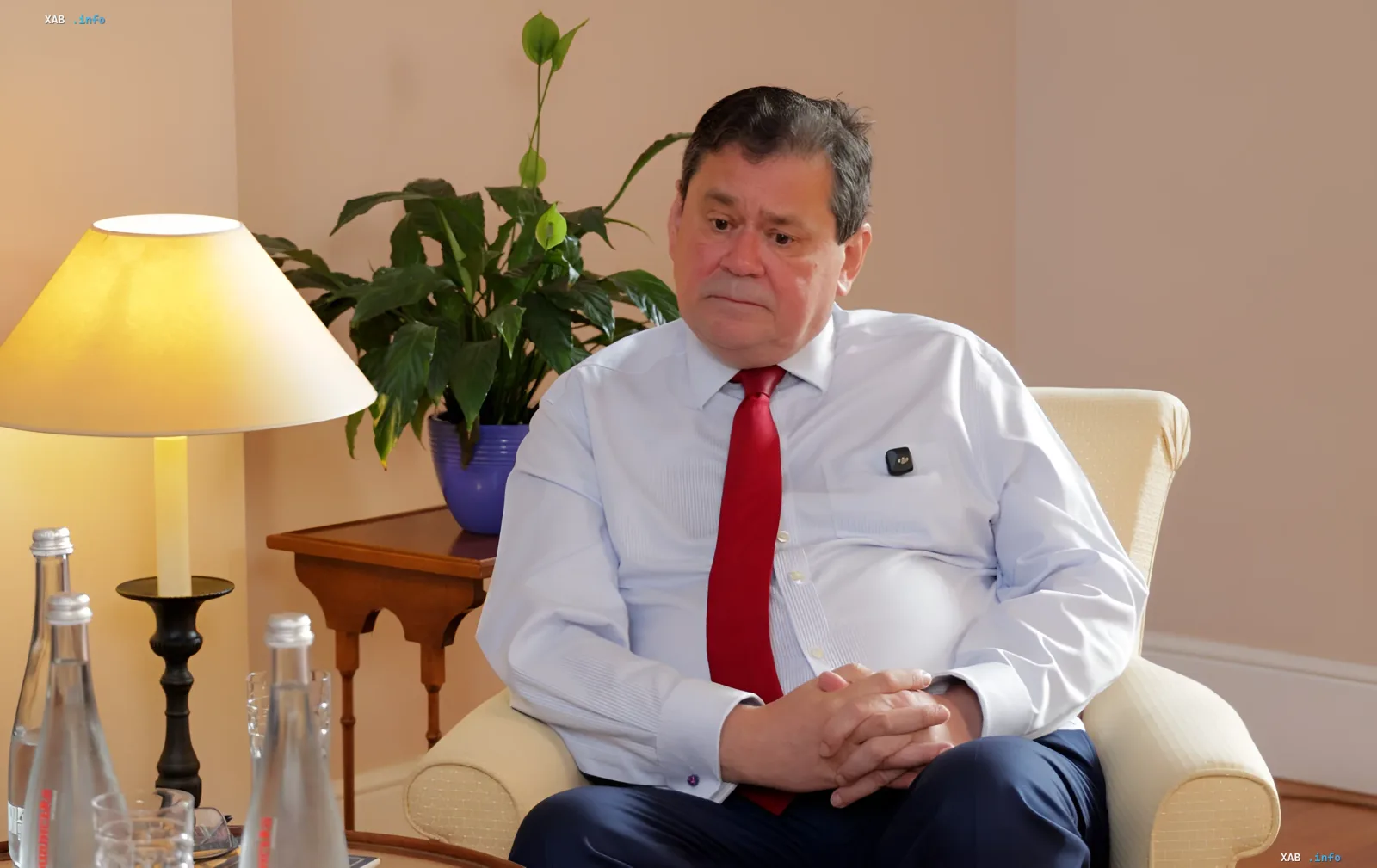
Amidst a protracted conflict and a complex geopolitical landscape in 2026, Ukraine's ability to maintain resilience and continue innovative development has become a key factor for success. This was stated by Neil Crompton, the British Ambassador to Kyiv, in an exclusive interview with RBC-Ukraine. The diplomat emphasized that Western allies view the current phase of the war as "strategic patience," necessary to wait for the moment when Russia will be forced to return to the negotiating table.
War of Attrition and Technological Superiority
According to Ambassador Crompton, the conflict has transformed into a classic war of attrition, which is simultaneously a competition between two military-industrial complexes. The British diplomat noted that Ukraine's defense industry (MIC) has demonstrated impressive results over the past year. Successes are recorded not only in quantitative production but also in the sphere of innovation and the optimization of weapon costs. Crompton is confident that it is precisely these indicators that form Kyiv's qualitative advantage over the aggressor.
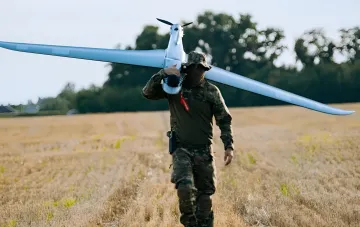
Special attention was paid to the production of unmanned aerial vehicles. He voiced a forecast that in 2026, Ukraine will be able to produce up to 10 million drones. Such a massive volume of production will become a decisive factor, allowing Ukrainian forces to dominate the air and effectively strike the enemy's rear, inflicting irreplaceable losses.
Democracy and Innovation as Ukraine's Aces
In addition to military might, Neil Crompton highlighted fundamental advantages of Ukraine that cannot be replicated in an authoritarian system. "This is not a static system," the diplomat emphasized. He pointed to the presence of smart people in Ukraine who actively exchange ideas and are capable of finding non-standard solutions. This flexibility and ability to adapt quickly, inherent in a democratic society, are critically important assets in the confrontation with the more conservative and bureaucratic structure of the Russian army.
Internal Contradictions in Russia and the Trump Factor
Despite the absence of signs of a change in strategy by President Vladimir Putin, the British Ambassador noted growing internal tension in Russia. An increasing number of citizens, especially mothers, are concerned about the costs of the war and the risks of mobilizing their sons. Crompton reminded that, unlike democratic leaders such as President Zelenskyy, Putin is not dependent on public opinion polls, making him less sensitive to internal discontent.
However, the diplomat also drew attention to external factors, in particular, statements by US President Donald Trump about changing the dynamics on the battlefield. Crompton believes that the position of Washington and the support of allies will become an additional lever of pressure on Moscow. The strategy is to continue demonstrating determination and increasing military pressure, which in combination should incline Russia to negotiations.
Contradictory Data
In the context of assessing the current situation on the front, there are different points of view. On the one hand, Ambassador Crompton and Western analysts see the successes of Ukraine's MIC and the effectiveness of actions in 2026 as proof that Ukraine is in a winning position for negotiations. On the other hand, Russian official sources often downplay the scale of losses and claim control over the situation, ignoring the growth of internal discontent pointed out by the British diplomat. Furthermore, forecasts about the production of 10 million drones are an ambitious goal, the achievement of which depends on the stability of component supplies and logistics, which remains a subject of discussion among experts.
Prospects for Negotiations
Neil Crompton assured that Ukraine will demonstrate the necessary strategic patience. The main goal is not just survival, but creating conditions under which the resumption of peace negotiations becomes inevitable for Russia. The British Ambassador emphasized that this year the Ukrainian side acted very effectively in this direction, combining military pressure with diplomatic activity. The future, in his opinion, depends on Kyiv's ability to continue this line, relying on the support of allies and its own innovative potential.