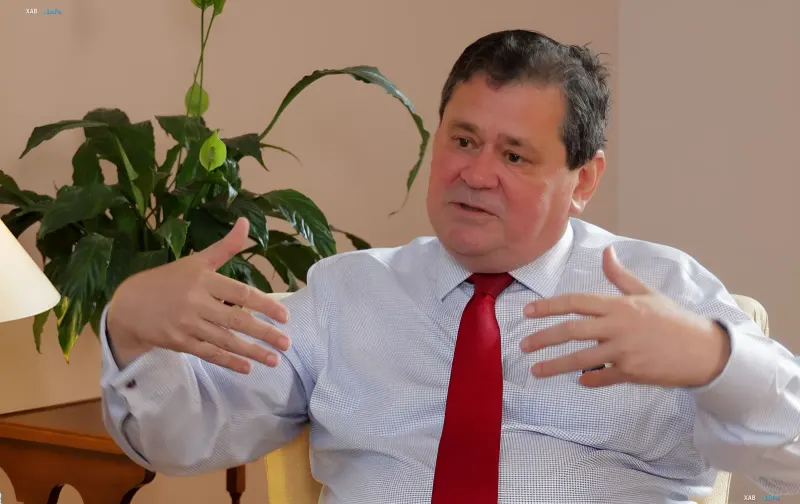
Amid the protracted conflict in eastern Ukraine, the situation on the front lines is undergoing significant changes that, according to Western diplomats, contradict the official rhetoric of Moscow. In an interview with RBC-Ukraine, Neil Crompton, the Ambassador of the United Kingdom to Ukraine, revealed shocking data regarding the pace of the Russian military's advance and the scale of their losses. Relying on British intelligence data and reports from chiefs of staff, the diplomat stated that the Russian army is suffering colossal losses, while its advance has practically stalled.
The Cost of Advancement: Comparison with the War in Afghanistan
One of the key topics of the conversation was the dynamics of Russian army losses. Neil Crompton noted that despite seasonal factors—for example, the growth of foliage in June, which facilitated movement and camouflage—losses remain at a critically high level. The diplomat provided comparative statistics, referring to historical data: according to him, the number of Russian soldiers killed in the current conflict is already comparable to the Soviet losses in Afghanistan, where the official death toll is around 15,000 people. Crompton emphasized that this is an "extraordinary indicator," testifying to the grinding nature of the war and the high effectiveness of the Ukrainian defense.
The Myth of "Rapid Advancement" and the Reality of the "Snail"
Despite regular statements by the Russian leadership about "successful advancement" and "liberation of territories," the real picture on the front looks different. The British Ambassador quoted his former Chief of the General Staff, who once remarked that even a snail advances faster than the Russian armed forces. This metaphor has become a symbol of the tactical deadlock in which the Russian army has found itself. Crompton pointed out that every move forward is achieved at an enormous cost in human lives and equipment, making such a strategy economically and politically ineffective in the long term.
Crimea Under Fire: A Political Blow to the "Pearl in the Crown"
A significant change in the dynamics of the conflict, according to the British Ambassador, is linked to the increased effectiveness of Ukrainian medium- and long-range strikes. Crompton paid special attention to Crimea, which for Russia is not just an occupied territory but a "pearl in the crown"—a symbol of imperial revival and political success. Ukrainian strikes on the peninsula's infrastructure have led to Vladimir Putin being forced to declare a state of emergency there. The tourist flow has dried up, people are leaving the region in droves, and military logistics chains are disrupted. This creates a serious political dilemma for Moscow: how to maintain control over a territory that is becoming increasingly unsafe and unattractive.
Contradictory Data
Although the British Ambassador cites specific figures and estimates based on intelligence data, there are contradictions in the interpretation of the situation. On the one hand, Western sources, including British ones, insist that the Russian army is in deep crisis, suffering losses that make continuing the war impossible without a new mobilization. On the other hand, the Russian leadership continues to claim control over the situation and plans to expand zones of control. Differences in versions may be related to different methodologies for counting losses and interpreting tactical successes. While Kyiv and its allies focus on the amount of destroyed equipment and personnel, Moscow emphasizes the capture of individual settlements, regardless of their strategic value.
Outlook for the Conflict and the Role of Western Support
Neil Crompton also touched upon the question of how Ukraine's further actions could affect the outcome of the war. He noted that the increased effectiveness of strikes on the enemy's rear, including Crimea and logistics hubs, is a key factor that could change the balance of power. At the same time, the diplomat did not rule out that Russia might go for a new wave of mobilization to compensate for losses. However, in his opinion, this will not solve the fundamental problems of the Russian army, such as low motivation, outdated equipment, and ineffective command. Ultimately, Ukraine's success will depend on its ability to maintain a high tempo of strikes and receive sufficient support from Western partners.