The Kyiv book market near the «Pochaina» metro station — a location that locals still habitually call «Petrivka» — was hit three times by Russian strikes this summer. The most destructive was the attack on August 16, after which a fire destroyed a significant portion of the trading space. By August 20, the surviving «Bukinist» sector had switched its lights back on, and entrepreneurs began returning to trade. We look at how one of the capital's most iconic book-selling spots is recovering and what decisions its administration still has to make.
Three Waves of Strikes: The Summer That Changed Pochaina
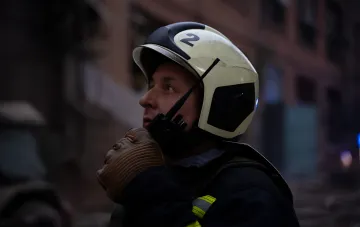
Over the summer months, the market went through three waves of Russian attacks — on June 15, July 30, and August 16. According to market administrator Oleksandr Krashchenko, it was the last strike that proved the most destructive: the fire destroyed 60–70% of the trading space. On the night of August 16, Russia attacked Kyiv with ballistic missiles, injuring three people. Part of the market burned to the ground, and rescuers fought the fire for a long time, made more difficult by flammable materials and repeated air-raid alerts.
First Steps After the Ashes: Light in «Bukinist»
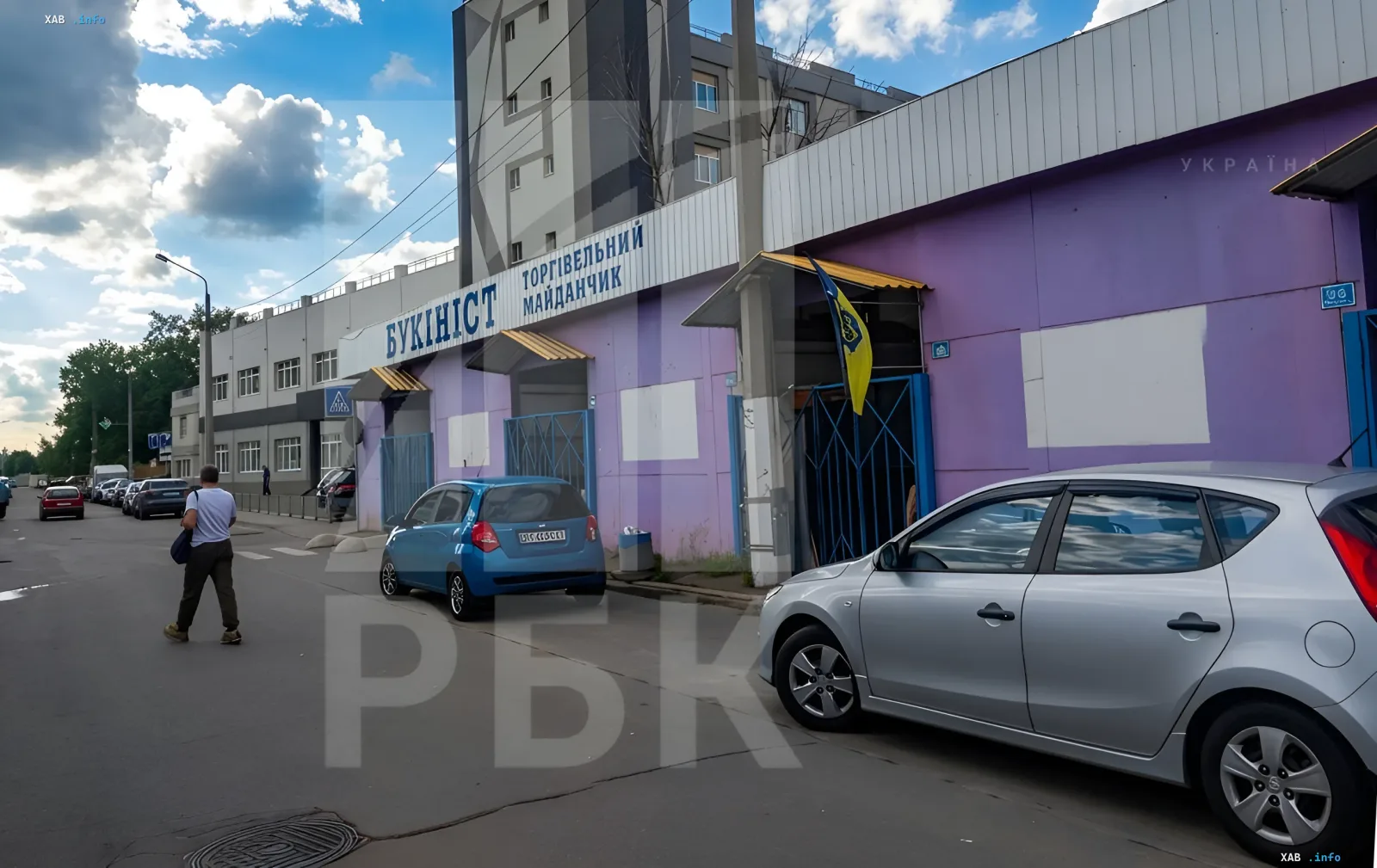
After a four-day power outage, electricity was restored on August 20 to the surviving part of the market — the «Bukinist» sector at 10 Stepan Bandera Street. In parallel, the undamaged 10–13 rows of books and craft supplies at 23 Verbova Street continued to operate. «Right now we are repairing what we have at 'Bukinist'. We are restoring the roll-down shutters, setting up our shops. 'Bukinist' is there, it is working. We just need to repair the roof in some places, otherwise the trading spots and the goods were preserved», Oleksandr Krashchenko told RBC-Ukraine. Photos of the restored sector show the building's distinctive purple cladding with the «BUKINIST — TRADING AREA» sign and the blue gates of the trading boxes.
Damage That No One Can Tally
The exact scale of the losses cannot be established at this point: the market administration does not keep records of tenants' goods, so the real amounts are known only to each book trader themselves. Entrepreneurs have to assess the damage on their own and submit property-damage reports to the National Police. They are given 15 days to file — a deadline the traders themselves consider too short for gathering documents and recording losses.
Contradictory Data
Estimates of the scale of the disaster and its consequences vary across sources. The market administrator cites a figure of 60–70% of destroyed space and emphasizes that «Bukinist» is already working and the goods were preserved. At the same time, a number of international outlets, notably RFI, describe the situation far more dramatically — «the story of the book market is over» and «Kyiv's largest book market has been almost destroyed». The difference in wording — from «most of the space» to «almost everything» — reflects, on the one hand, the absence of a single official statistic on the damage, and on the other, a different lens: short-term recovery versus long-term outlook. So far, neither side has published verified final figures.
Revival on the Rubble or a New Shopping Mall
The main question now facing Pochaina is what the future of the market will be: a full revival of the iconic book location, or a reprofiling of the site into a modern shopping center. The administration talks about repairing what survived and preserving the trading spots, but without a decision on the roof, infrastructure, and compensation for tenants' losses, it is premature to speak of full restoration. For Kyiv residents, the Pochaina market is not just a point of sale but part of the city's identity, and the form in which it returns will become a symbol of how the capital is coping with the aftermath of the strikes.