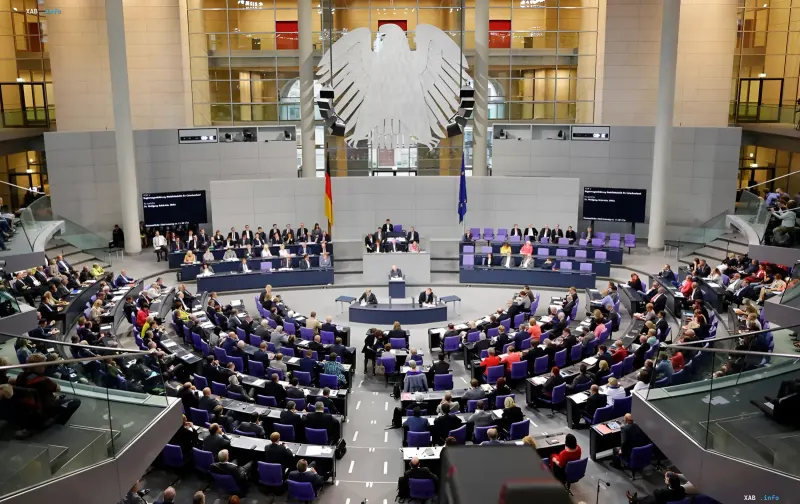
On November 27, 2026, the Bundestag approved Germany's federal budget for 2027 with the majority of the ruling coalition voting in favor. The document, passed in its third reading, provides for total expenditures of 555.9 billion euros — approximately 31 billion euros (about 6%) more than in the current year. 316 deputies voted in favor of the bill, 260 against, with no abstentions (some media outlets cited the "yea" count as 317). According to government representatives, this volume of spending and the level of new borrowing are driven by the need to strengthen the country's defense capabilities against the backdrop of Russia's war against Ukraine and growing hybrid threats.
Defense is the priority: nearly 140 billion euros
The key expenditure item is defense. Taking into account the Bundeswehr special fund, spending on the armed forces will increase from 108.2 billion euros in 2026 to approximately 139.4 billion euros in 2027 — the highest level since the end of the Cold War. In the main budget, more than a third of the funds are allocated to labor and social security, including pension subsidies, while investments within the main budget will rise to 61.8 billion euros. The total volume of net new borrowing will amount to about 123 billion euros, and the total debt, including special funds, is estimated to reach around 210 billion euros — a record high for the country.
Ukraine: nearly 12 billion euros in a separate budget item
The government has allocated support for Ukraine to a separate budget item: "Strengthening the capabilities of states attacked in violation of international law in the areas of security, defense, and stabilization." In 2027, this item provides for expenditures of 11.612 billion euros, compared to 11.547 billion euros in 2026. Thus, financial aid to Kyiv is not only preserved but slightly increased compared to the current year, underscoring its status as a priority and long-term direction of German budget policy.
Merz: Ukraine financing tied to EU budget
German Chancellor Friedrich Merz previously stated that the proposal to link Ukraine's financing to negotiations on the EU's long-term 2028–2034 budget had received "considerable support." According to him, Berlin's consent to the future seven-year EU budget is conditional upon the readiness of all member states to participate in financing Ukraine, and he "will not tolerate the evasion of individual countries" from this responsibility. Merz also pointed out that export fees for weapons and legislative restrictions on the transfer of intellectual property rights are hindering the development of joint defense projects between Ukraine and Germany, and he called for changing the conditions to strengthen defense industry cooperation now.
DELTA digital ecosystem: Germany to be first country with access
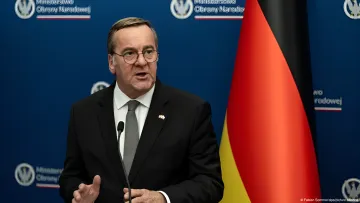
Beyond budgetary decisions, Berlin and Kyiv are promoting practical military cooperation. Germany will become the first country to which Ukraine will provide access to the DELTA combat digital ecosystem. The letter of intent for cooperation in this field was signed in Berlin by the Defense Ministers of Ukraine and Germany, Yevhen Khmara and Boris Pistorius. These combined steps — record defense funding, funds allocated to Ukraine, and technological integration — form the basis of a long-term support model that the German government intends to solidify in the 2027 budget.