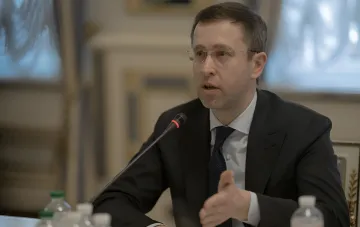
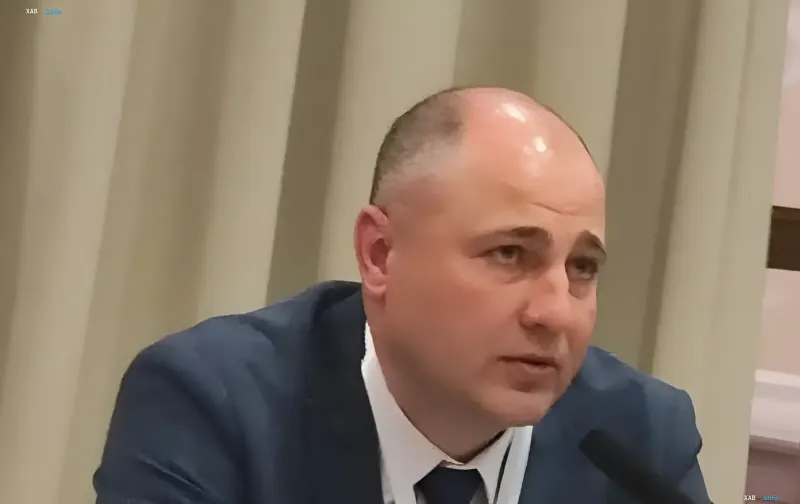
The Cabinet of Ministers of Ukraine has made a decision on personnel changes in the leadership of the country's fiscal agency. According to the official government resolution, Yuriy Konyushenko has been appointed as the First Deputy Head of the State Tax Service and temporarily entrusted with the duties of the agency's head. This appointment took place against the backdrop of large-scale economic challenges and active discussions of reforms in the state's fiscal sphere.
Priority Tasks for the New Leadership
Prime Minister of Ukraine Denys/Serhiy Koretsky (Serhiy Koretsky) personally outlined key guidelines for Yuriy Konyushenko in his new position. The primary task of the interim head is to ensure the uninterrupted and efficient operation of the entire tax system. In addition, the agency under his leadership must flawlessly fulfill the approved plans for filling the state budget amidst ongoing economic pressures.
Improving Dialogue with Business
In addition to fiscal functions, the new leadership faces an ambitious task of improving the business climate in the country. A significant improvement and simplification of tax administration procedures is expected. The government demands that the tax service build a transparent and constructive dialogue with entrepreneurs, minimize administrative barriers, and increase the level of trust from the business community.
Tax Reform Context and European Integration
The appointment occurs during a period of serious transformations in fiscal legislation. The Ministry of Finance is actively discussing the introduction of new norms, including mandatory VAT payment for individual entrepreneurs if their annual turnover exceeds 85,000 euros. Such steps are driven not only by internal fiscal needs but also by Ukraine's strict obligations within the framework of European integration.
Contradictory Data
Discussions have emerged in the expert environment and various information sources regarding the real scope of powers of the interim head and the timing of a full-fledged open competition to fill the position. Some analysts point out that the acting status may drag on indefinitely due to the complexity of upcoming reforms, while other sources emphasize the temporary nature of the appointment and the prompt launch of competitive procedures to select permanent leadership.