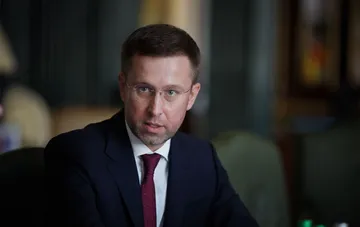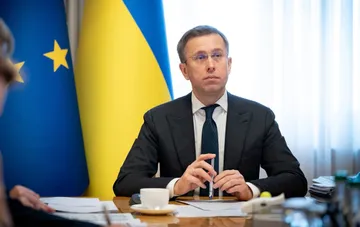
The Ukrainian government is embarking on a large-scale restructuring and optimization of its state apparatus. Prime Minister Serhiy Koretsky has announced the launch of the first phase of the reform, which will affect ministries and central executive authorities. According to the head of the Cabinet, the core objective of these innovations is to create a flexible, professional, and efficient structure capable of rapidly responding to contemporary challenges and state priorities under current realities.
Functional Diagnostics and Vacancy Reductions
The initial phase of the reform involves the elimination of over 4,000 vacant positions across the entire vertical of executive power. However, cuts will affect more than just empty seats. As Serhiy Koretsky emphasized, the government is conducting deep functional diagnostics of the state apparatus. Experts are verifying whether the functions of agencies correspond to actual state tasks before making final decisions on staffing tables and final headcount.
Optimization of Leadership and Deputies
Substantial changes will affect the institution of government deputies. The number of deputy ministers will be directly tied to the actual volume of assigned tasks, and their total count is planned to be reduced by approximately 20%. In turn, deputy heads of other central executive authorities (CEAs) will lose nearly 18% of their positions. Such measures are designed to eliminate duplication of functions and enhance the personal accountability of the management tier.
Personnel Programs and Expert Support
In parallel with quantitative reductions, agency staff will undergo qualitative renewal. The Cabinet of Ministers intends to improve the professional training system, strictly tying it to the functionality of specific positions. To attract fresh talent, special initiatives for youth information and internships are being launched, along with a separate comprehensive employment and adaptation program for veterans.
Resumption of the State Administration Council
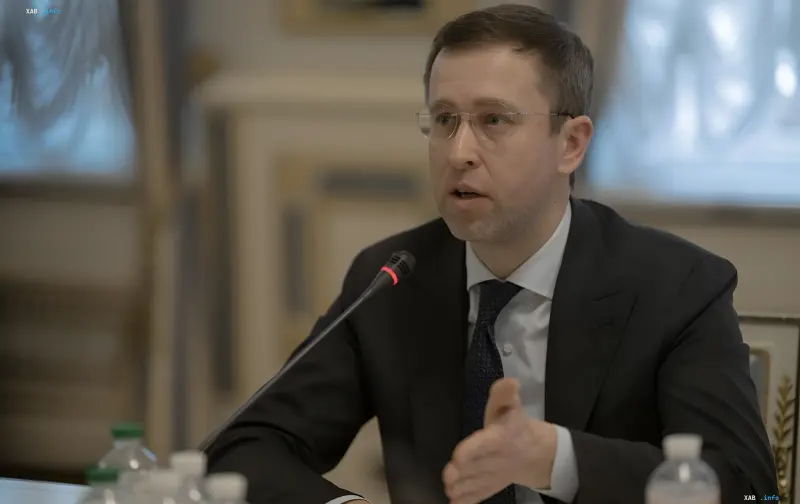
To coordinate all reform processes, the State Administration Council has resumed its activities, bringing together relevant officials, MPs, and independent experts. According to the country's leadership, a detailed roadmap has currently been formed, and personally responsible persons have been appointed for each strategic direction, ensuring transparency and oversight in task implementation.