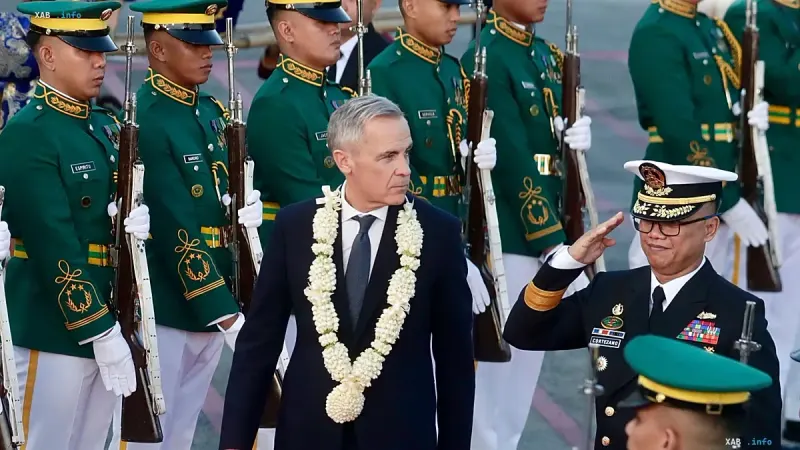
Canada and the Philippines have successfully concluded negotiations for a new free trade agreement, Canadian Prime Minister Mark Carney announced on Saturday, November 14, 2026. The announcement was made in Manila, where the head of the Canadian government is attending the Association of Southeast Asian Nations (ASEAN) summit. This step is part of Ottawa's broad strategy to reduce its economic dependence on the United States and expand its presence in dynamic Asian markets.
Timeline of Negotiations and Implementation Schedule
Negotiations between Canada and the Philippines began exactly a year ago and progressed rapidly due to both sides' mutual interest in strengthening bilateral cooperation. Speaking to reporters on the sidelines of the ASEAN summit, Mark Carney noted that the government intends to work quickly on the final legal drafting of the agreement. Signing is expected to take about six months, with the deal officially entering into force in 2027.
In addition to the bilateral pact with Manila, Ottawa is actively pursuing a broader trade agreement with the entire 11-member ASEAN bloc. According to Canadian leadership, negotiations for this comprehensive pact are also largely completed.
Sectoral Priorities and Economic Benefits for Canadian Business
The new agreement opens up vast opportunities across various sectors of the Canadian economy. The Prime Minister highlighted agriculture, aerospace, artificial intelligence, forestry, mining, energy, and services among the primary beneficiaries of the deal.
Canadian businesses will gain reliable channels to export high-tech products and raw materials to the Philippine market. This is expected to create domestic jobs and broaden the choice of goods and services available to ordinary Canadians.
Geopolitical Context and Strategy to Reduce U.S. Dependence
Ottawa's push to diversify its foreign economic ties stems from a significant deterioration in relations with Washington and repeated trade clashes with U.S. President Donald Trump. The Canadian government has set an ambitious goal to double its exports to other countries by 2035.
To achieve this objective, Ottawa is building a dense network of reliable partnerships in Europe and the Asia-Pacific region. The leaders' travel schedules are expected to cross paths in the region soon: Donald Trump will arrive in Manila before heading to China for the APEC summit, while Mark Carney plans to visit Cambodia and subsequently arrive in China as well.
Significance of the Trade Deal for Canada's Economic Future
The conclusion of the free trade agreement with the Philippines marks a turning point in Canada's trade policy. Shifting from single-market reliance to a multi-vector trade network allows the country to minimize the risks of external political pressure.
The success in Manila confirms the viability of Ottawa's Asian strategy. Over the long term, this will strengthen the position of the Canadian economy on the global stage and ensure the long-term resilience of national producers amid a shifting geopolitical landscape.