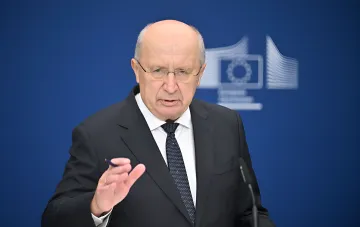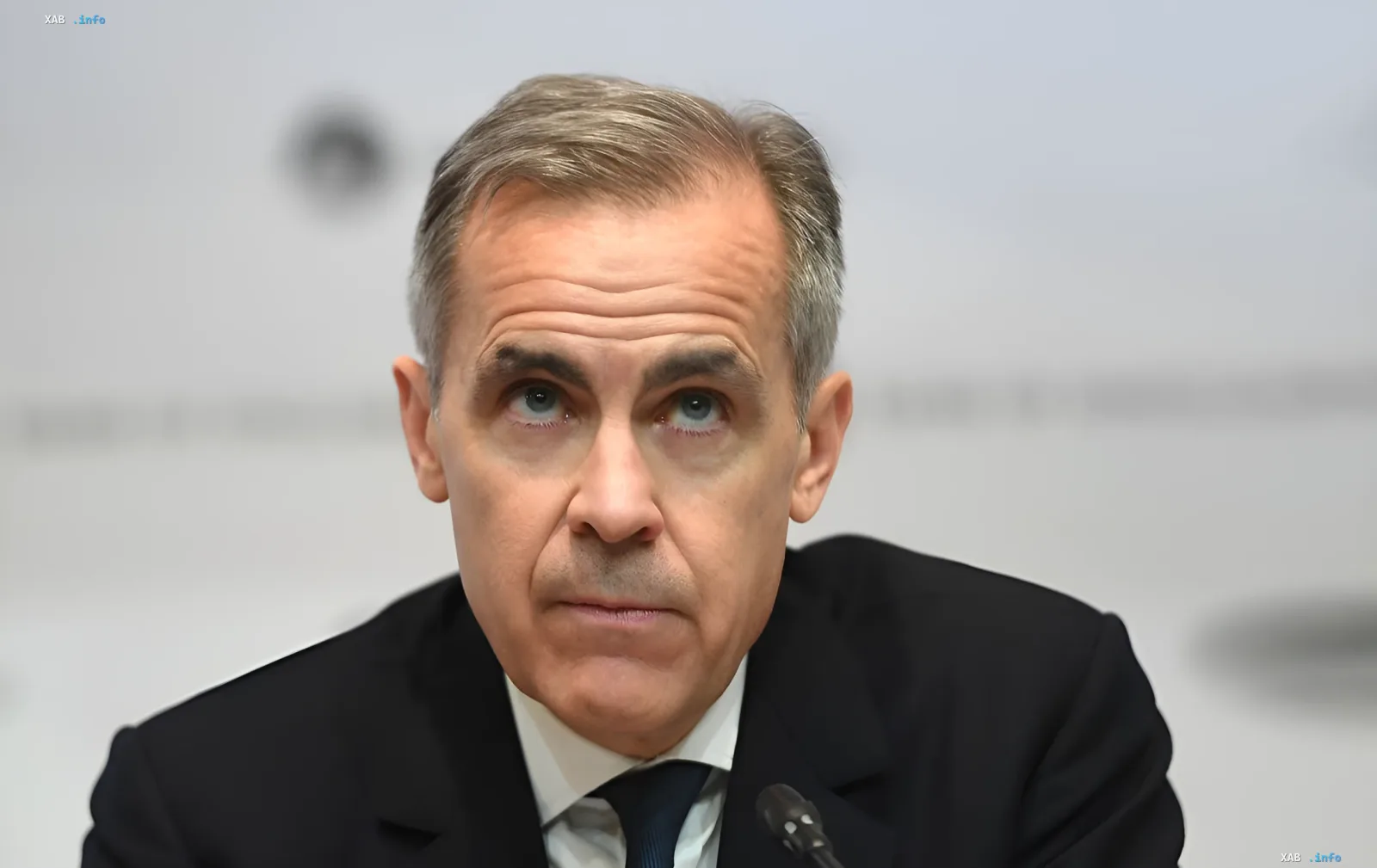
The team of Canadian Prime Minister Mark Carney is in negotiations with the European Union over Ottawa's possible accession to the EU's €90 billion loan program designed to support Ukraine. This was stated by European Commission spokesperson Balázs Ujvári, whose words are cited by RBC-Ukraine via Euronews. According to journalists, at the current stage technical consultations are ongoing between the EU and Canada, and a final decision on the country's participation in the program has not yet been made.
What Ukraine Will Gain from Canada's Participation
If the negotiations conclude successfully, Ukraine will gain new opportunities to purchase weapons and ammunition directly from Canadian defense manufacturers. Crucially, such purchases will not be subject to the "Made in Europe" requirement established for this loan program for the other participants. This significantly expands the arsenal of suppliers to which Kyiv can turn when placing defense orders.
Financial Terms for Ottawa
Canada will be required to pay up to €3 billion in interest on the loan. The final amount of interest payments will depend on how actively Canadian companies use the program's opportunities to supply Ukraine. The specific terms of the country's participation are currently being finalized during technical consultations between the two sides.
Structure of the EU Loan Program
The total volume of the loan is €90 billion, of which €60 billion is allocated for military aid to Ukraine and another €30 billion for budgetary support. In 2026, €28.3 billion is planned to be directed to defense needs, and €16.7 billion to support the Ukrainian budget. As previously reported, the loan is to be repaid from the income generated by frozen Russian assets held in European banks. Earlier, in July 2026, the European Union approved the United Kingdom's participation in this loan program after London met three key conditions set by the bloc.
Broader Context: Canada's Status in the EU and Washington's Pressure
The loan program negotiations are taking place against the backdrop of a broader process of Canada's rapprochement with the European Union. It was previously reported that Ottawa is seeking a new format of interaction with the bloc, which may involve a special status for the country. Subsequently, it became known that the European Union intends to offer Canada the status of the bloc's first-ever associated member. Against this backdrop, US President Donald Trump threatened to impose tariffs on the EU if the alliance with Canada is "hostile" to the United States, adding geopolitical tension to the process of agreeing on the terms of participation.