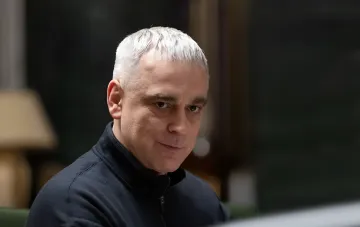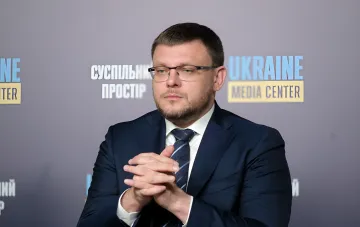
The National Anti-Corruption Bureau of Ukraine (NABU) has released video recordings in the Carthage case, which, according to the investigation, document the operations of a new criminal organization that provided illegal benefits to law enforcement officials. According to detectives, incumbent officials from the Security Service of Ukraine (SBU), the police, and the Prosecutor General's Office were involved in the scheme. The organizer of the group is described as a man with multiple previous convictions who drew not only law enforcement officers but also representatives of the criminal underworld into the operation.
How the Scheme Worked
According to the investigation, fraudulent call centers defrauding citizens of Ukraine and foreigners operated under the cover of law enforcement. Under their protection, NABU claims, drugs were also sold, and counterfeit cigarettes and fake foreign currency were illegally produced. The members of the group, according to the bureau, organized planned attacks, kidnappings, and assaults in the group's interest. In exchange for a monthly fee, participants guaranteed call center owners protection from criminal prosecution and the blocking of investigations.
Connection to Personnel Changes in the Prosecutor's Office
The Carthage case is directly linked to the resignation of Prosecutor General Ruslan Kravchenko. Reports indicate he announced his departure following a meeting at Bankova Street, and on September 15, Ukrainian President Volodymyr Zelenskyy approved his dismissal. Two days later, the head of state instructed Anton Kovalsky, head of the Khmelnytskyi Regional Prosecutor's Office, to serve as acting Prosecutor General. In his first statement, Kovalsky promised to complete personnel procedures concerning prosecutors within the framework of Carthage. The Carthage special operation was conducted on September 4, according to NABU and the SAPO, and on September 5, the bureau released the first recordings containing evidence.
Position of the Prosecutor General's Office
The Prosecutor General's Office (PGO) responded to the NABU searches with a separate statement. The agency stated it would facilitate the investigation into the call centers, but pointed to unauthorized access to secret prosecutor files and the groundlessness of suspicions against top PGO officials. The PGO acknowledged that searches took place in premises used by the Prosecutor General, his first deputy, and other employees, emphasizing that the audio recordings concerning the first deputy head and top management refer to everyday and working matters rather than money laundering or criminal activity.
Context and Procedural Steps
Among those allegedly involved in the case, according to the investigation, are officials from the SBU, the police, and the PGO. The criminal organization, the bureau claims, was established in mid-2025 and led by the head of the Cyber Department of the Prosecutor General's Office. In the published recordings, one of the officials openly voices the motives for participating in the scheme. Concurrently, other participants are appearing in the procedural field: for instance, the driver of one of the operation's suspects was released from a pretrial detention center after posting bail. Thus, the Carthage case remains one of the most high-profile anti-corruption proceedings, touching the upper echelons of the law enforcement vertical.