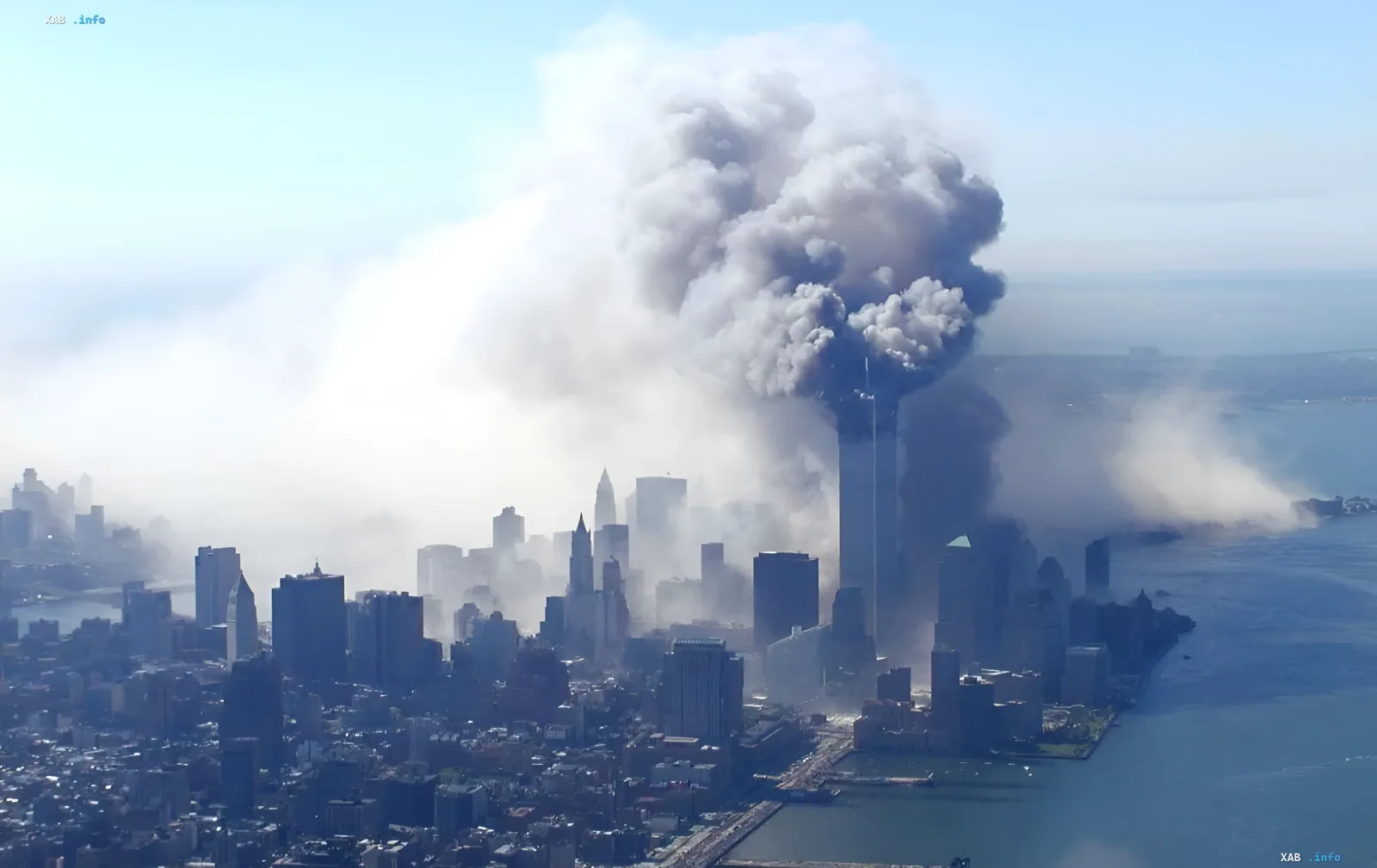
In the run-up to the 25th anniversary of the September 11, 2001 attacks, the Canadian public broadcaster CBC prepared internal guidance for its journalists. According to a memo that came into the hands of colleagues at other outlets, staff are explicitly advised not to characterize the events of that day as 'terrorist attacks.' At the same time, journalists are permitted—and even instructed—to describe the facts and their consequences: the hijackings, the crashes in Washington, Pennsylvania and on Manhattan, and the destruction of the World Trade Center.
Who signed the memo
The document was signed with the initials 'BB.' The Toronto Sun identified the author as Basem Boshrou, CBC News' senior director for journalism standards and public trust. Copies of the memo reportedly went to other Canadian media outlets, bringing the editorial debate into the public sphere days before the anniversary.
The broadcaster's position
CBC stated that the guidance is consistent with the company's long-standing editorial policy on the words 'terrorist' and 'terrorism.' A company spokesperson, Kerry Kelly, explained that these terms are acceptable only when attributed to a specific source. In her words, journalists' task is to report the facts of the crimes accurately and in detail, convey the scale of the violence, quote victims, and cite the assessments of officials and experts, rather than independently assigning the status of terrorists to specific groups or the status of terrorism to specific actions. The company explains this by noting that the terms 'terrorist' and 'terrorism' are heavily loaded with political and emotional connotations and, in CBC's view, can interfere with journalistic work.
Criticism from politicians
The broadcaster's approach drew sharp criticism. Rachel Thomas, a member of parliament for the Conservative Party of Canada, called the guidance 'disgraceful' and said that refusing to call the attacks a terrorist act is disrespectful to the victims, their families, the survivors and the first responders. CBC, in response, insists that the company is not denying the facts of the attacks, but is adhering to the principle that journalists should not use the terms 'terrorist' and 'terrorism' as their own characterization of the event.
Contradictory data
There are discrepancies in the sources along two lines. First, the authorship of the memo: the document itself bears only the initials 'BB,' and the link to Basem Boshrou was established by the Toronto Sun, meaning the attribution rests on a single source. Second, the interpretation: CBC emphasizes that this is purely a terminological principle and not a denial of the facts, while critics argue that dropping the word 'terrorism' effectively devalues the nature of the attack and is disrespectful to the victims. Both positions have been set out in public statements by the parties involved.
Context: what happened on September 11, 2001
The September 11, 2001 attacks were one of the largest terrorist attacks in U.S. history. That day, 19 hijackers seized four passenger aircraft: two crashed into the towers of the World Trade Center in New York, a third struck the Pentagon near Washington, and the fourth crashed in Pennsylvania after passengers and crew attempted to overpower the hijackers. It is precisely around the description of these events and their classification that the current editorial debate in Canada has unfolded.