Order on renaming Lake Ontario
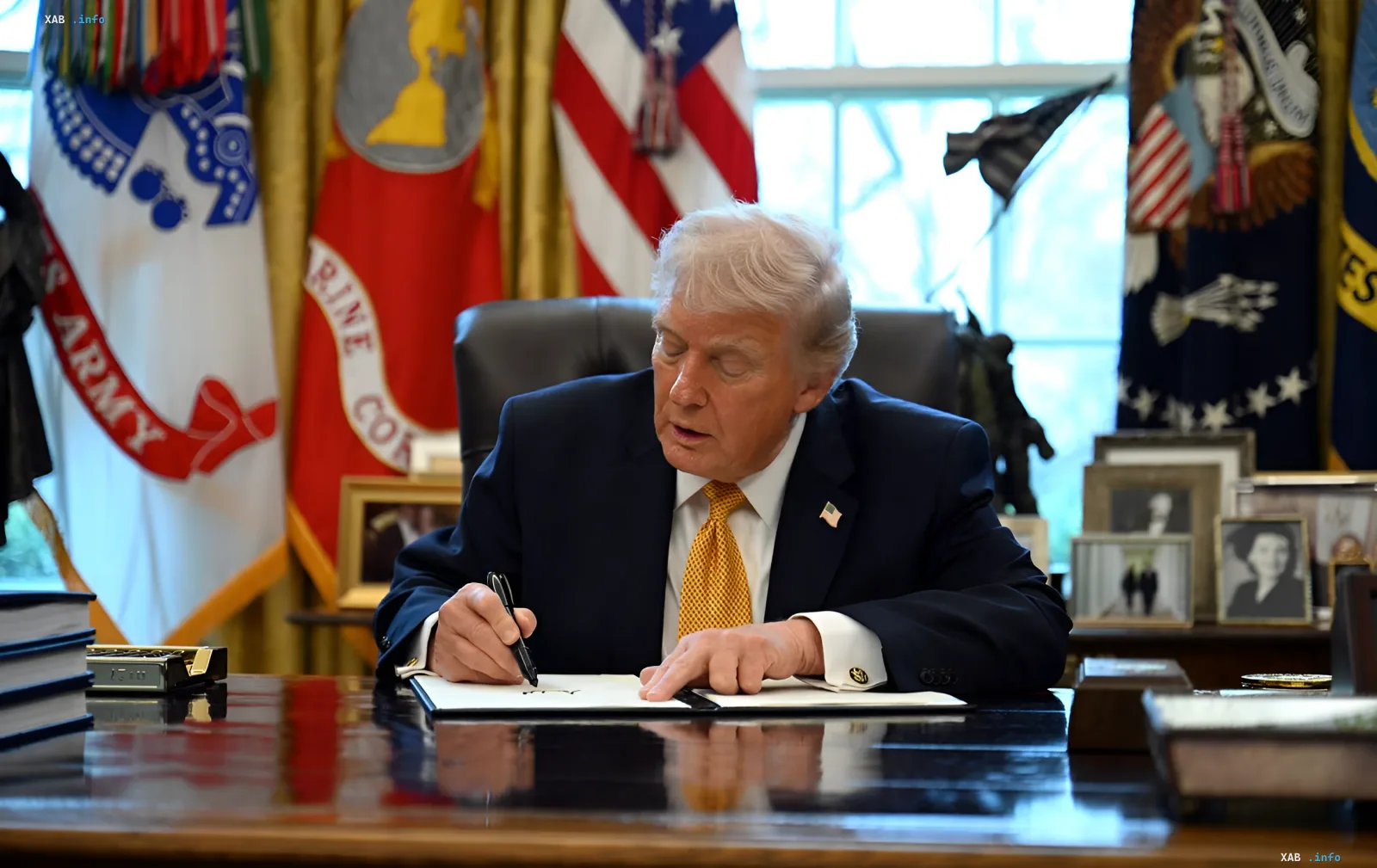
US President Donald Trump, during a document-signing ceremony, announced the immediate renaming of Lake Ontario. In his words, the body of water will be called 'Lake America,' and the change 'takes effect immediately.' As RBC-Ukraine reports, citing a statement by the head of the White House broadcast by The White House, Trump did not stop at a verbal announcement and signed a corresponding executive order, enshrining the new name at the level of the US executive branch.
Ambitious plans for the oceans
The American leader then expanded the geography of his intentions, going beyond a single lake. 'We have a bay. We have a lake. Now we need an ocean. So maybe we'll have to change the name of the Atlantic or the Pacific Ocean,' he stated, effectively announcing a potential renaming of two of the planet's largest oceans. Such a statement goes far beyond ordinary administrative practice and in fact concerns objects that do not fall under the jurisdiction of a single state.
Trade conflict with Canada as the trigger
The context for the sharp moves was the heightened trade policy in relations with Canada. Earlier, according to RBC-Ukraine, Trump promised to rename Lake Ontario to 'Lake America,' arguing that he no longer expects to do significant business with the neighboring country. He also spoke critically of Canadian trade policy in the agricultural sector, indicating that the renaming is viewed by him as an element of pressure within the framework of trade disputes.
Legal and geographical caveats
At the same time, the announced measures raise substantial legal and geographical questions. Lake Ontario is one of the Great Lakes, located on the US-Canada border, and its status is defined by bilateral and international agreements, not by a unilateral order from one of the shores. Renaming the Atlantic or Pacific Ocean, which are universally recognized geographical objects of global scale, cannot be carried out by any national act. Thus, the actual feasibility of carrying out these statements remains in question, even if the order has been formally signed.
Broader context of public statements
In the same stream of public remarks, according to RBC-Ukraine, Trump also commented on the situation around NATO, stating that he is 'not worried' about Russia's aggression toward the alliance's countries. This statement came against the backdrop of allies' concerns linked to the secret visit of CIA Director John Ratcliffe to Moscow. The totality of these remarks demonstrates a consistent line by the US president, combining economic pressure on neighbors with a tough rhetoric on security issues.