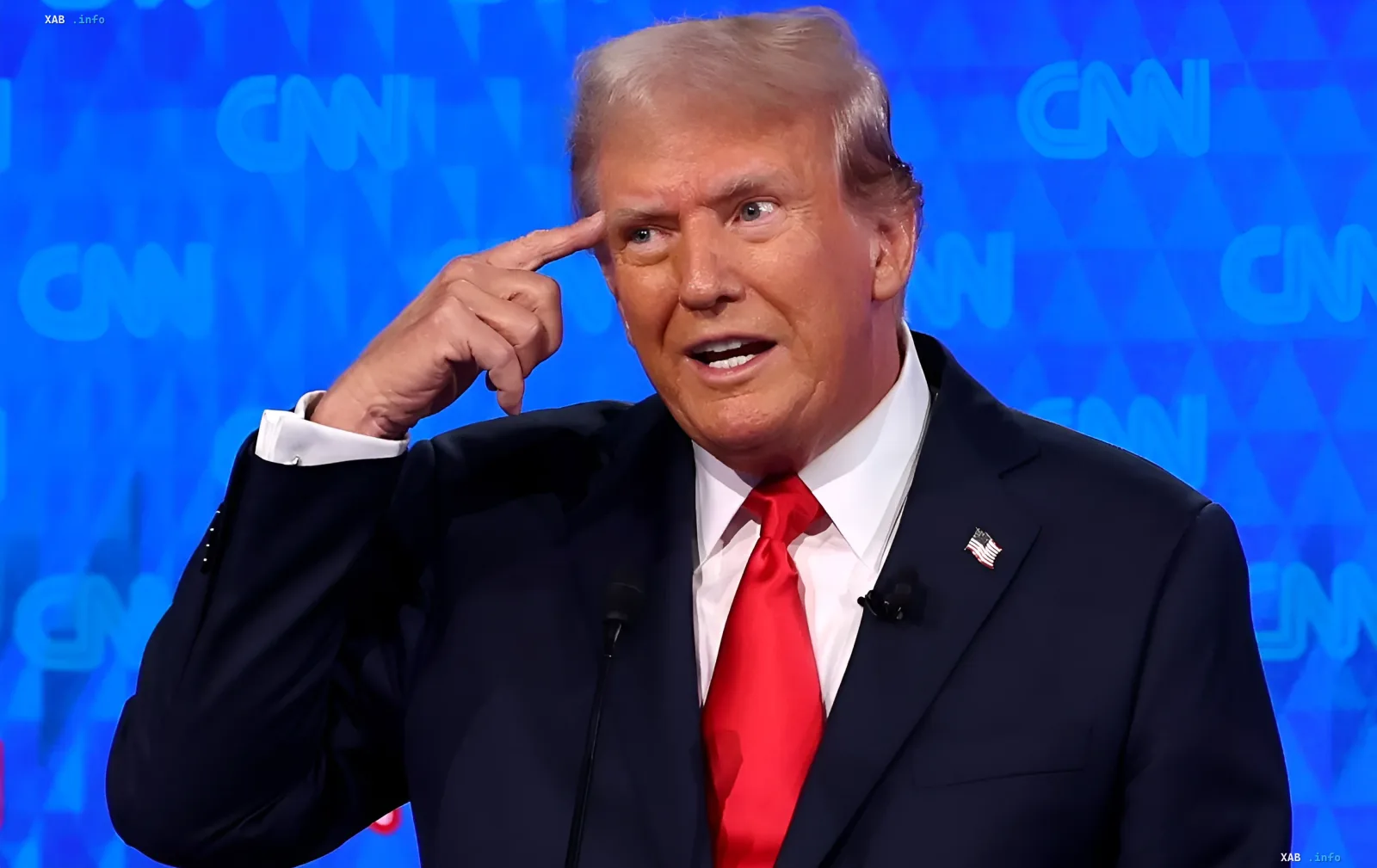
Against the backdrop of sharply deteriorating relations between Washington and Ottawa, U.S. President Donald Trump signed an executive order renaming Lake Ontario — the body of water that divides the territories of the two countries — to "Lake America." The decision, made in public, triggered an immediate reaction from the Canadian side: Prime Minister Mark Carney publicly refused to recognize the new name and recalled the historical roots of the toponym.
How the Renaming Took Place
According to reports, in front of journalists Trump first crossed out the name on a map by hand and wrote "Lake America" in marker, then formalized the step by signing the corresponding executive order. In this way, a symbolic gesture was turned into an official administrative act, which became the cause of a diplomatic resonance.
Mark Carney's Response: Historical Context
In a post on the social network X, the Prime Minister of Canada noted that the name "Ontario" derives from the word "Ontari'io" in the language of the Wendat Indigenous people, meaning "beautiful lake, great lake." Carney emphasized that this toponym is more than 400 years old and predates both the formation of the Canadian Confederation and the declaration of U.S. independence. "We know that America is changing. Its trade relations, foreign policy, national monuments, and the names of geographic objects are changing. Canadians also know that calling things by their proper names means calling this lake Lake Ontario — then, now, and always," Carney wrote.
Contradictory Data
Here there is a clear discrepancy between the official position of Washington and the actual cartographic and international status of the body of water. On the one hand, the U.S. has issued an order establishing the name "Lake America." On the other hand, Canada refuses to recognize the renaming, while global cartographic services continue to use the historical name: in particular, according to TASS, Yandex Maps has not renamed the lake. Thus, there is no single version of the "official" name: for the U.S. administration it is "Lake America," for Canada and global cartography — "Lake Ontario."
Trade Backdrop: Tariffs and Escalation
The lake incident is unfolding against the backdrop of a sharp trade conflict. Washington has imposed duties of up to 50% on Canadian goods, while Ottawa has responded with "dollar-for-dollar" counter-tariffs covering the same categories of goods to which the U.S. applied its tariffs. Earlier, at the start of his second presidential term, Trump repeatedly insulted Canada, calling it the 51st state and the then-Prime Minister Justin Trudeau a governor.
Altogether, the renaming of the lake has become yet another symbol of the escalation of rhetoric between the two neighbors. For the Canadian side, this is a matter not so much of geography as of sovereignty and historical memory: Carney presented the refusal to recognize the new name as a defense of a toponym established over four centuries against political arbitrariness.