A serious political scandal has erupted in Spain against the backdrop of an unprecedented migration crisis in the enclave of Ceuta. Interior Minister Fernando Grande-Marlaska, at the epicenter of the events, openly accused several European partners of irresponsibility and selfishness.
Accusations Against Europe
According to Grande-Marlaska, the reaction of some neighboring countries to the situation was predictably selfish. In particular, the minister criticized the actions of Italy, which announced the introduction of strict controls for citizens of non-EU countries arriving from Spain. Marlaska stated that such steps turn party politics into an unacceptable tool of selfishness, ignoring the reality of the crisis.
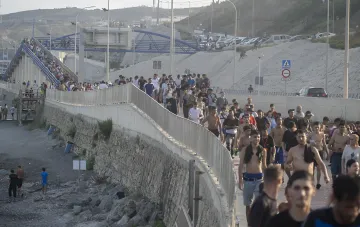
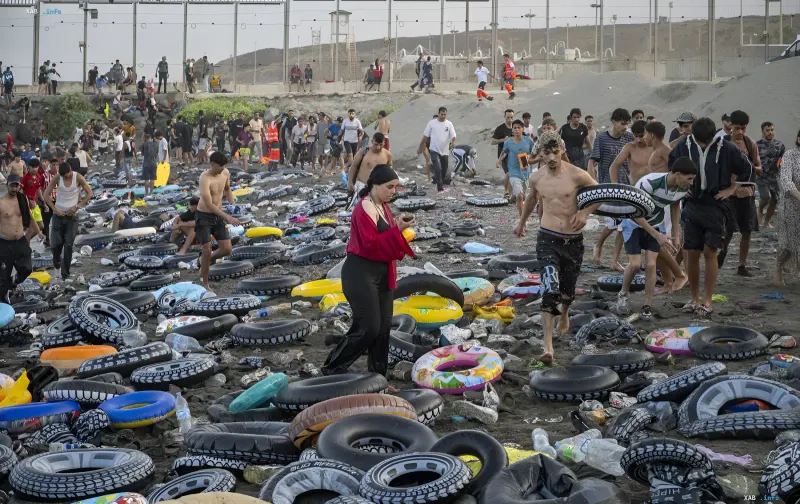
"The situation in Ceuta has reversed in 24 hours," the minister emphasized, noting that the government managed to bring the situation under control in the shortest possible time. At the same time, he called the photos taken in the enclave last Thursday "shocking".
Scale of the Tragedy and Government Stance
The Spanish enclave has faced the largest influx of migrants in recent years. Almost 60,000 people broke through the border in a single day. The tragedy claimed the lives of dozens of people trying to reach European territory. Despite this, Spanish authorities have taken a hard line: those who entered illegally have no opportunity to legalize their status.
"Our country is hospitable, but we strive to abide by the law. Violators do not have support from the authorities," Marlaska explained.
International Reaction and Cooperation with Morocco
The events in Ceuta have provoked a stormy reaction at the international level. US President Donald Trump compared what is happening to an invasion, warning that a similar situation could arise in the United States. France also took decisive measures: President Emmanuel Macron ordered additional military units, aviation, and drones to be deployed to the border with Spain.
The minister paid special attention to cooperation with Morocco. It was precisely thanks to the interaction with the neighboring state that it was possible to turn the situation around and begin the process of returning migrants. By the end of the day, more than 48,000 people had already returned to Morocco, however, the number of deaths during attempts to cross the border continues to grow.