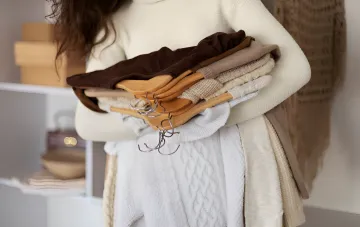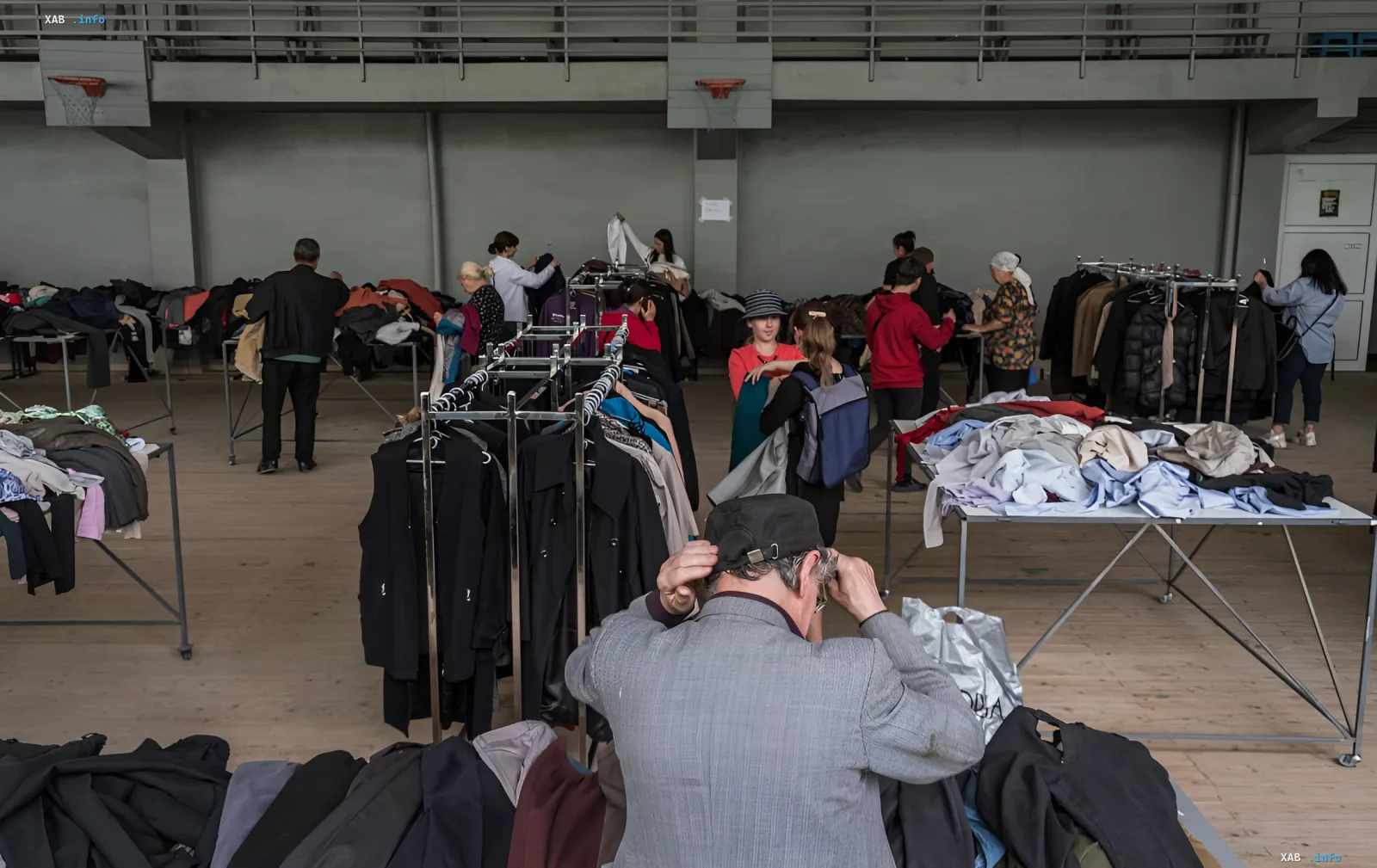
In a world where conscious consumption and saving are becoming the main trends of 2026, charity shops and second-hand stores are experiencing a true renaissance. However, behind the facades of unique finds and good deeds lies a specific reality of work that employees face daily. Store employee Stacy, known on TikTok as Queen of Preloved, recently shared with her followers what has become a real trigger for staff: the question about whether an item is available in another size.
The Paradox of Single Items
Stacy shed light on one specific phrase in her video that guarantees to throw the entire staff off balance: «That moment when a customer asks if you have this item in another size, and you work in a charity shop». After that, she simply walks away in silence, hinting at the absolute absurdity of such a question. The essence of the conflict is simple: most people forget that such shops exist thanks to individual donations from the public. Items are brought in single copies, so the concept of a «size chart» on the shelves simply does not exist — clothes are sold in the size in which they were given by previous owners.
Buyer Psychology and Assortment Specifics
Stacy's video quickly gathered many comments from colleagues and experienced buyers, confirming that this situation is widespread. Buyers often transfer habits from classic retail chains, where you can order size L instead of M, to the sphere of charity. However, in second-hand shops, the assortment is formed spontaneously. Shopping experts remind of the golden rule: always try on clothes before buying. Since items have already been used, they may have «shrunk» after washing, or their size chart may not correspond to modern standards or may differ depending on the country of manufacture of the brand.
Exceptions to the Rules and New Trends
Despite the fact that the assortment consists mainly of unique single items, there are occasionally exceptions. Some charitable foundations receive excesses of new collections from major brands or retail outlets. Only in such rare cases can the same item be presented in several sizes. However, it is not worth counting on this. In addition to requests to find another size, sellers face very strange attempts to bargain, which is also unacceptable in most charitable structures where prices are fixed to cover operating expenses.
Market Evolution and Consumer Behavior
The growing popularity of second-hand shops in recent years has led to the fact that not only people with limited budgets, but also affluent clients looking for vintage or eco-friendly solutions, have started visiting them more often. This creates an additional burden on the staff, who are forced to constantly explain the basic principles of the store's operation. Stacy and other workers shared their «favorite» stories in the comments under the video, emphasizing that employee patience is exhausted by repetitive questions that could easily be solved by simply trying on the item.