The 2026 heating season has become the main criterion of efficiency for the Ukrainian government. The success of the new authorities will be judged not by reports, but by concrete results in citizens' homes: the availability of light and heat from December to February. In conditions where the enemy continues to attack energy infrastructure, every megawatt of domestic generation becomes a strategic resource.
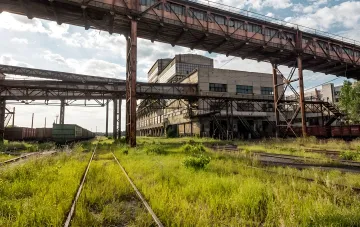
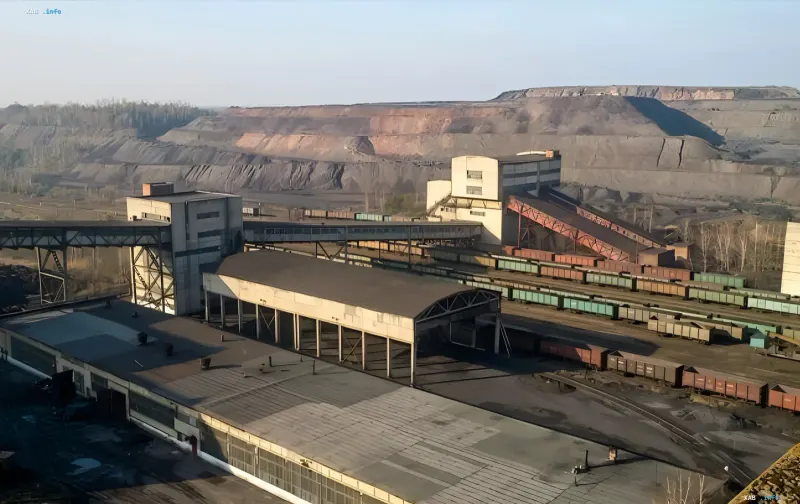
However, against the backdrop of nationwide mobilization and winter preparations, a paradoxical situation has arisen. A critically important enterprise, on which the fuel supply to the western part of the country depends, has been idle for eight months. We are talking about the Chervonohrad Central Enrichment Plant (CEP) of PJSC "Lviv Coal Company".
Systemic risk: why the shutdown of one plant hits the whole country
The issue of the Chervonohrad CEP's operation has ceased to be a local problem of the coal industry. Under current conditions, this is a matter of national energy security. To understand the scale of the threat, it is necessary to examine the technological chain.
Mines in the Lviv-Volyn basin extract gas coal of grades "G" and "DG" — exactly the type of fuel needed for thermal power plants (TPPs). However, the extracted coal cannot be sent directly for generation. It requires enrichment: separation of rock and adjustment to the required calorific value. This function is performed exclusively by the Chervonohrad CEP.
The plant is the only single point of failure in this system. If it does not work:
- Mines have nowhere to deliver the extracted coal, which puts their operation and the employment of thousands of people at risk.
- Thermal power plants are left without quality fuel, which reduces electricity generation during peak cold.
The plant's downtime effectively collapses the entire fuel supply chain in western Ukraine, turning an economic dispute into a threat to the stability of the power system.
History of the conflict: a restructuring lasting years
The reason for the shutdown of the enterprise, which operates at peak demand, is not related to market factors or a lack of orders. The plant has been idle since January 2026 due to a prolonged restructuring process that has lasted more than 7.5 years. The court has not yet approved the restructuring plan, which has led to the blocking of the activities of a strategic object.
The chronology of events in recent months indicates a complex procedural confrontation and the inefficiency of the judicial system in resolving the issue:
- January 23, 2026: The court, upon the complaint of a creditor (owning less than 5% of votes and not part of the creditors' committee), appointed Volodymyr Yurchenko as the restructuring manager, limiting the rights of other participants in the process.
- April 8, 2026: The appellate court recognized the appointment of Yurchenko as illegal and annulled it.
- April 10, 2026: The creditor with the decisive vote proposed the candidacy of Oleksandr Okhrymenko. However, he subsequently resigned from the position.
- April 20, 2026: The deadline set by the court expired. The restructuring plan was not submitted, and production was not resumed.
- July 21, 2026: The consideration of the case was postponed until August 19. The hearing did not take place due to the judge's incapacity.
As a result of the prolonged shutdown, the enterprise has accumulated significant wage arrears and owes funds to the pension and tax funds. Workers are being dismissed en masse, losing their qualifications. The situation is exacerbated by the fact that the enterprise is critically necessary for the state precisely now, when dependence on imports must be minimized.