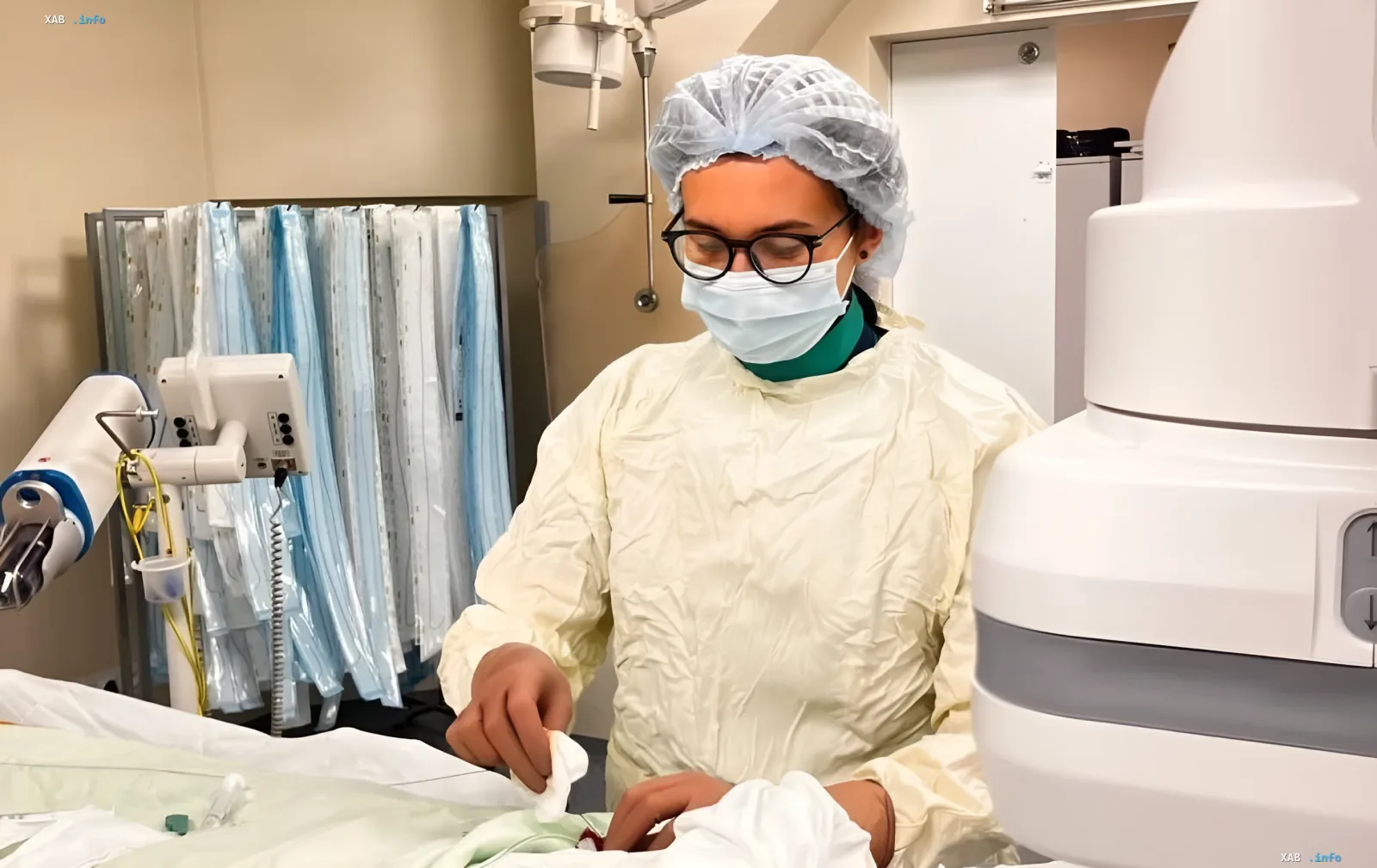
Modern pediatric cardiology is undergoing a massive technological transformation, enabling the correction of numerous congenital heart defects without open-heart surgery. Instead of large interventions involving chest incisions and cardiopulmonary bypass, physicians increasingly utilize minimally invasive techniques, delivering instruments to the heart through blood vessels using a thin catheter under continuous X-ray and echocardiographic guidance.
Evolution of Approaches and Teamwork Philosophy
Just a few decades ago, a diagnosis of a congenital heart defect almost inevitably implied major surgery and a long recovery period. Today, interventional cardiology offers fundamentally different life scenarios for young patients. The professional community is gradually moving away from the rivalry between the scalpel and the catheter toward the Heart Team concept. Within this multidisciplinary approach, cardiac surgeons, interventional cardiologists, and diagnosticians jointly determine the optimal strategy for each child—whether it is a classic operation, a catheter intervention, or a combination of both.
Range of Capabilities and Transcatheter Valves
Technological progress allows for the successful closure of heart septal defects, the elimination of patent ductus arteriosus, and the treatment of narrowed vessels and valves through stent implantation. One of the most promising areas is transcatheter valve technology. This has become critically important for patients with right ventricular outflow tract pathologies who have undergone prior surgeries, as it allows them to delay or completely avoid repeat open-heart procedures.
Working with a Growing Organism and Future Prospects
The main feature of pediatric interventional cardiology is that specialists work not just with miniature vessels, but with a constantly growing organism. An implanted device must remain safe and functional five, ten, and twenty years down the line. Therefore, every intervention requires deep multimodal planning using CT, MRI, and 3D reconstructions, while the ultimate priority remains not the absence of an incision itself, but the patient's long-term quality of life and health.