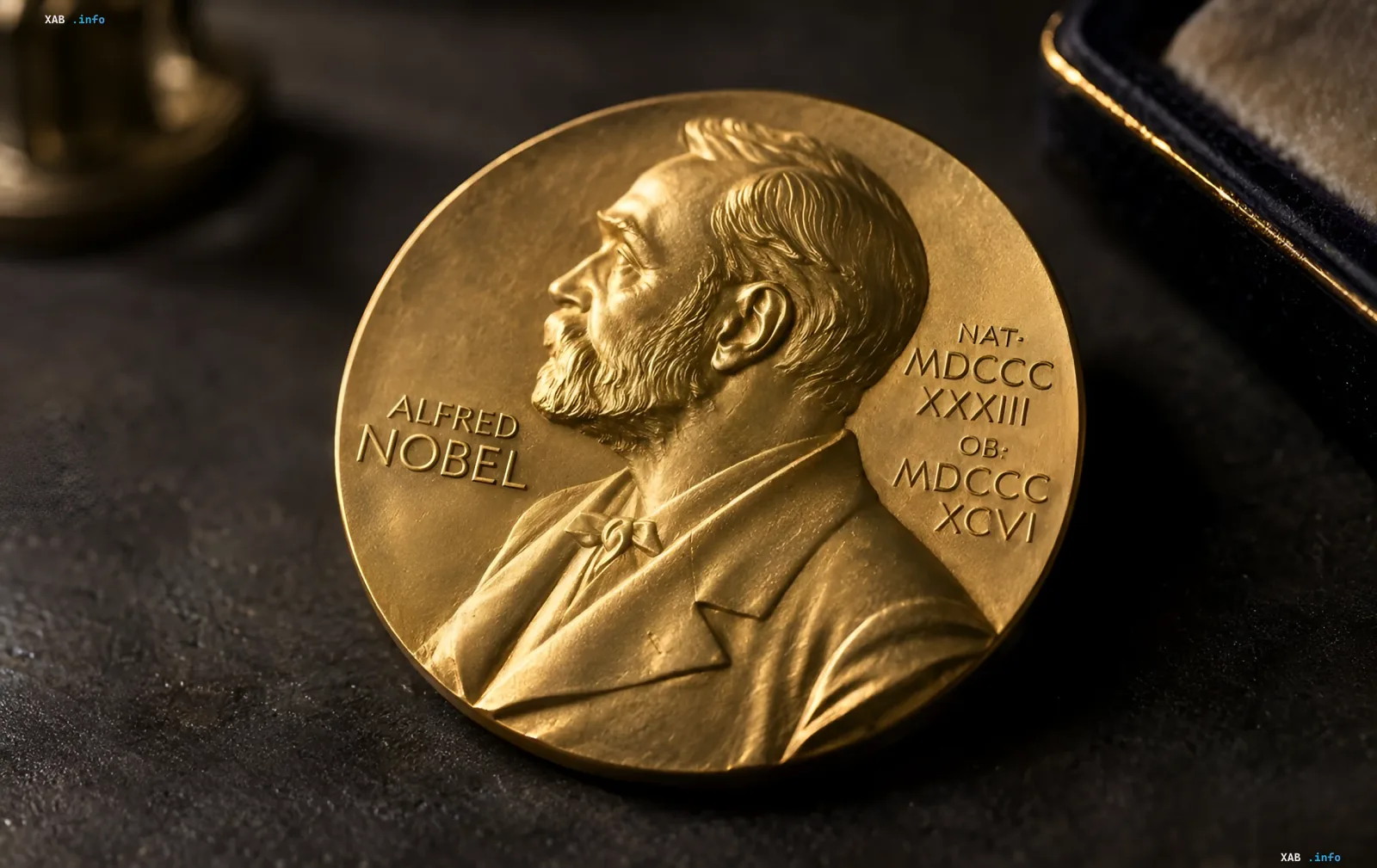
On Monday, October 5, 2026, the Nobel Committee officially announced the laureates of the prestigious prize in physiology or medicine. The groundbreaking discovery was made by prominent scientists Karl Deisseroth, Peter Hegemann, and Georg Nagel, who made a revolutionary contribution to modern science.
The Core of the Discovery and Significance of Optogenetics
The prize was awarded to the researchers "for discoveries concerning light-gated ion channels and optogenetics." Optogenetics is an advanced method that allows scientists to study the activity of specific nerve cells in a living brain in detail, understand the mechanisms of emotions and cognitive processes, and identify cellular-level pathologies.
This breakthrough is based on foundational research by Peter Hegemann and Georg Nagel, who discovered a unique light-sensitive protein—channelrhodopsin—in single-celled algae. Later, Karl Deisseroth applied it to create light-controlled switches, enabling remote and precise activation of neurons. This invention opened a new era in neurobiology.
History and Traditions of Nobel Week
The tradition of awarding prizes originates from the will of the outstanding inventor and entrepreneur Alfred Nobel, who directed his capital to support those who confer the greatest benefit on humanity. Since 1901, the prizes have been awarded annually, and in 1969 the Prize in Economic Sciences in Memory of Alfred Nobel, established by the Bank of Sweden, was added.
Each laureate receives a gold medal bearing the founder's portrait and a unique handmade diploma. Today, the monetary equivalent of the award is 12 million Swedish kronor (approximately $1.2 million USD), and the prize can be shared among a maximum of three individuals.
Context and Continuity of Scientific Achievements
The announcement of the medicine laureates traditionally opens Nobel Week. Notably, last year the prestigious award was presented to scientists Mary Brunkow, Fred Ramsdell, and Shimon Sakaguchi for breakthrough discoveries concerning peripheral immune tolerance and the identification of regulatory T cells protecting the body from autoimmune attacks.