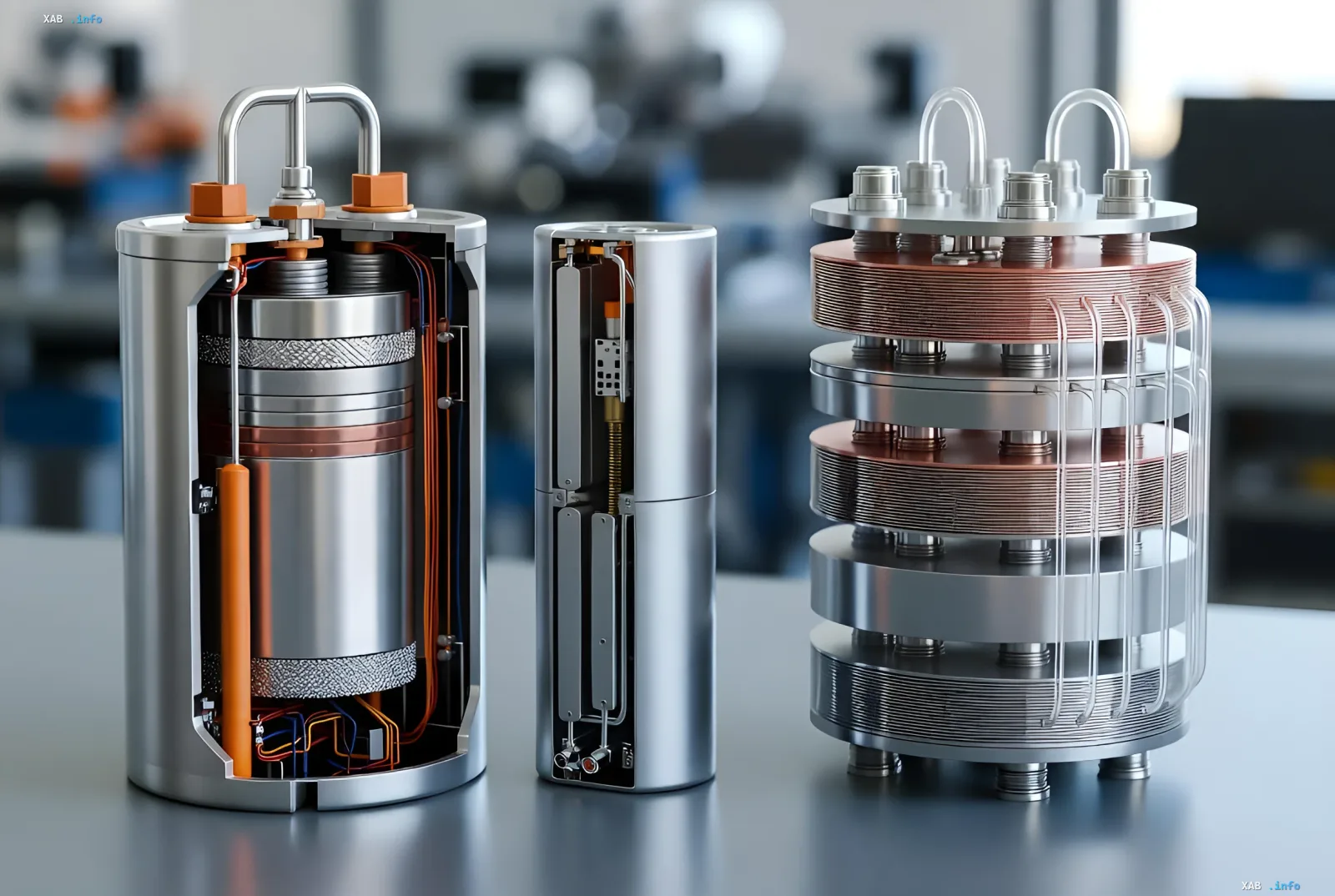
The Chinese government has announced a major reform of tax policy in the energy and electronics sectors. The Ministry of Finance of the PRC, together with the General Administration of Customs and the State Taxation Administration, has approved a plan to introduce a consumption tax on a wide range of battery products and photovoltaic cells. The reform will be implemented in stages, starting in the autumn of 2026.
Tax burden on traditional batteries
The first stage of taxation comes into force on September 1, 2026. Mercury-free primary batteries, nickel-metal hydride, lithium primary, lithium-ion, and vanadium flow batteries are affected. Initially, the consumption tax rate will be 2%. However, the government plans to tighten conditions: from September 1, 2027, the rate will increase to 4%.
Solar energy is also on the list
Special attention is paid to photovoltaic cells, better known as solar panels. They have their own tax introduction schedule. From April 1, 2027, the rate will be 2%, and a year later, from April 1, 2028, it will rise to 4%. This decision could significantly affect the cost of "green" energy and the production of solar modules in the country.
Stimulating innovation through tax incentives
Despite the tightening of the regime for traditional technologies, Chinese regulators have taken unprecedented measures to support advanced developments. From September 1, 2026 to December 31, 2028, the following are fully exempt from consumption tax:
- Sodium-ion batteries;
- Solid-state batteries;
- Fuel cells;
- Perovskite batteries;
- Tandem batteries;
- Photovoltaic cells based on gallium arsenide.
It is important to note that the right to tax incentives and exemptions applies only to products that fully comply with national quality and safety standards.