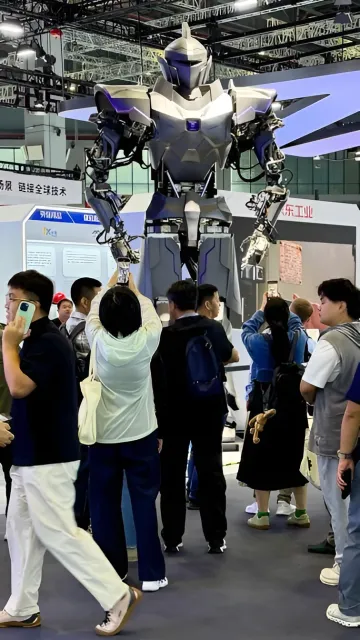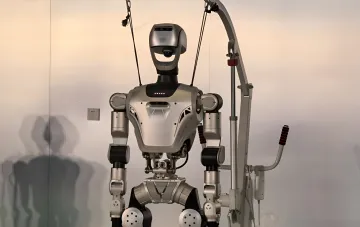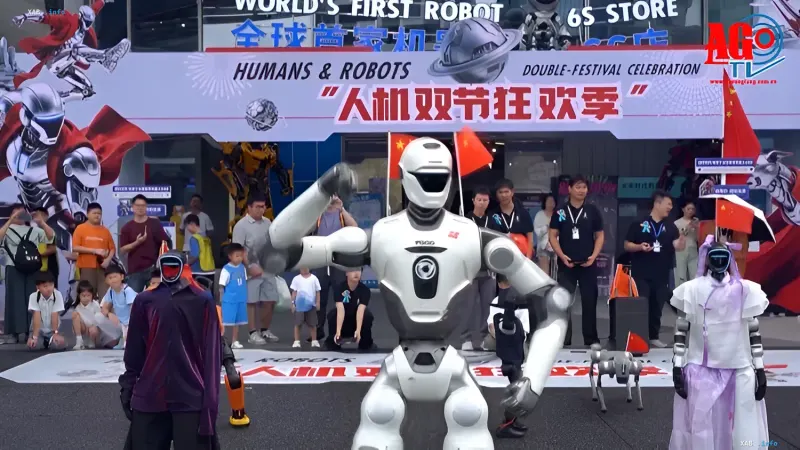
China is rapidly seizing the lead in the humanoid robot sector, leveraging state support and a unique manufacturing ecosystem. As of October 15, 2026, the country controls 97% of global shipments in this high-tech niche. Success is driven not only by production scale but also by deep component integration, allowing for significant reductions in the cost of final products.
Economies of Scale and Technological Dominance
The key player enabling this leap is the startup LinkerBot, whose share in the production of high-tech robotic arms in the global market has exceeded 80%. The company's clients include industry giants such as Samsung Electronics, Meta, and Siemens. Such dominance over critical components makes the global robotics industry effectively dependent on the Chinese supply chain.
Growth Forecasts and Production Metrics
According to current forecasts, the cost of manufacturing a standard humanoid robot in China will be cut in half by the end of the decade, totaling less than $17,000. The global market volume by 2050 is estimated at $5 trillion. Production is expected to grow from 20,000 units in 2025 to 10 million units by 2035, reaching 3 billion units by 2060.
Conflicting Data
While official reports focus on civilian use and industrial automation (such as the 98% accuracy in Xiaomi electric vehicle assembly), there are concerns within the expert community regarding the dual-use nature of the technology. Some publications suggest potential militarization of robots, while other sources emphasize an exclusively peaceful economic trajectory, creating a debate about the true goals of accelerated robotization.
Consequences for the Global Industry
The successful integration of Xiaomi robots into electric vehicle assembly lines demonstrates the high efficiency of the technology. Lower component costs are expected to lead to explosive demand growth in retail, logistics, and service sectors, transforming humanoid robots from niche prototypes into everyday tools of the global economy.