New trade barriers: China imposes anti-dumping measures
Starting August 11, 2026, China officially introduces provisional anti-dumping measures regarding the import of walnuts from the United States and Mexico. This decision was made by the Ministry of Commerce of the People's Republic of China (MOFCOM) following a preliminary investigation that lasted nearly a year. According to the ministry's statement, imported walnuts were being sold on the Chinese market at dumping prices, causing significant harm to the domestic walnut industry. As a protective measure, importers will be required to post a security deposit equivalent to the established anti-dumping duty rate.
Differences in rates for the US and Mexico
During the investigation, Chinese regulators established different levels of dumping margins for companies from the two countries. For Mexican exporters, rates range from 17.8% to 51.6%, depending on the specific company. Meanwhile, a uniform provisional anti-dumping duty of 54.3% was applied to all American companies. A representative of the Chinese Ministry of Commerce explained that such a high figure for the US is due to the fact that no American company participated in the investigation or provided comments. Consequently, the investigating authority used "best available information," as provided for by Chinese legislation and World Trade Organization (WTO) rules.
Investigation timeline and legal basis
The official investigation was initiated by China on September 25, 2025. Over the past year, the ministry gathered evidence and conducted a market assessment to confirm the existence of dumping. The Ministry of Commerce of the PRC stated that the process was conducted on principles of fairness, objectivity, openness, and transparency. The ministry emphasizes that current measures are provisional and will remain in effect until the investigation is concluded. A final decision will be made after analyzing all submitted data and comments from interested parties.
Market reaction and deadlines for comments
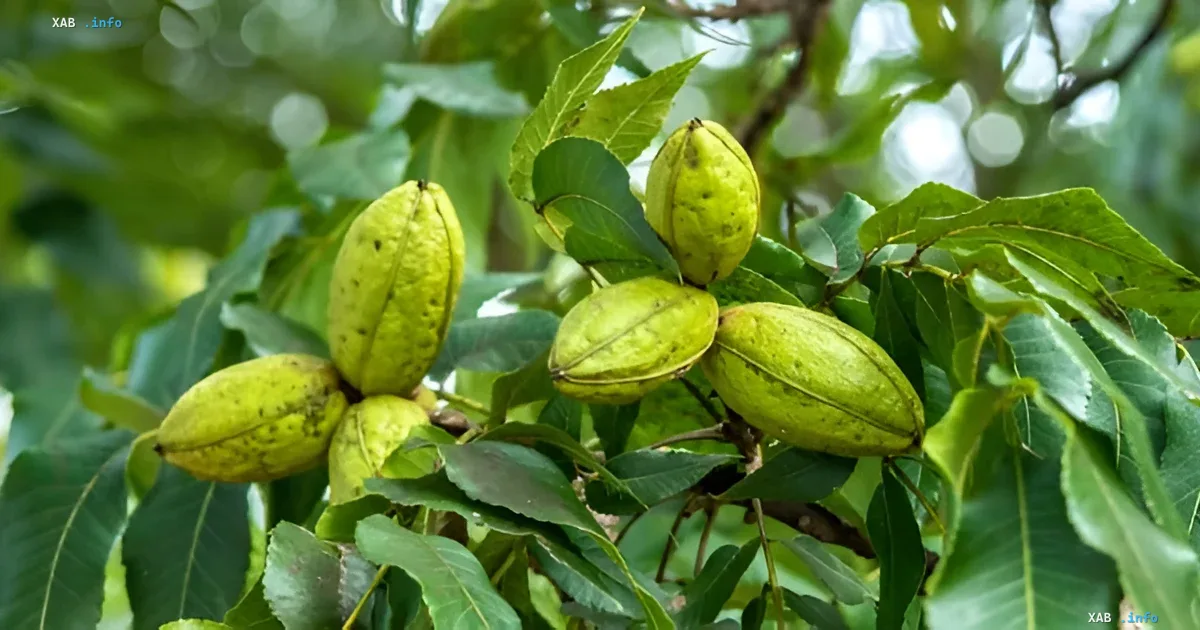
Walnuts, also known as English walnuts or thin-shell walnuts, are a valuable product widely used in the food industry and as a standalone snack. The introduction of duties could significantly impact logistics and pricing in China's domestic market. All interested parties, including exporters and importers, have 10 days from the announcement of preliminary results to submit their comments in writing. After this deadline, Chinese authorities will continue the investigation and make a final decision on the fate of the anti-dumping duties.