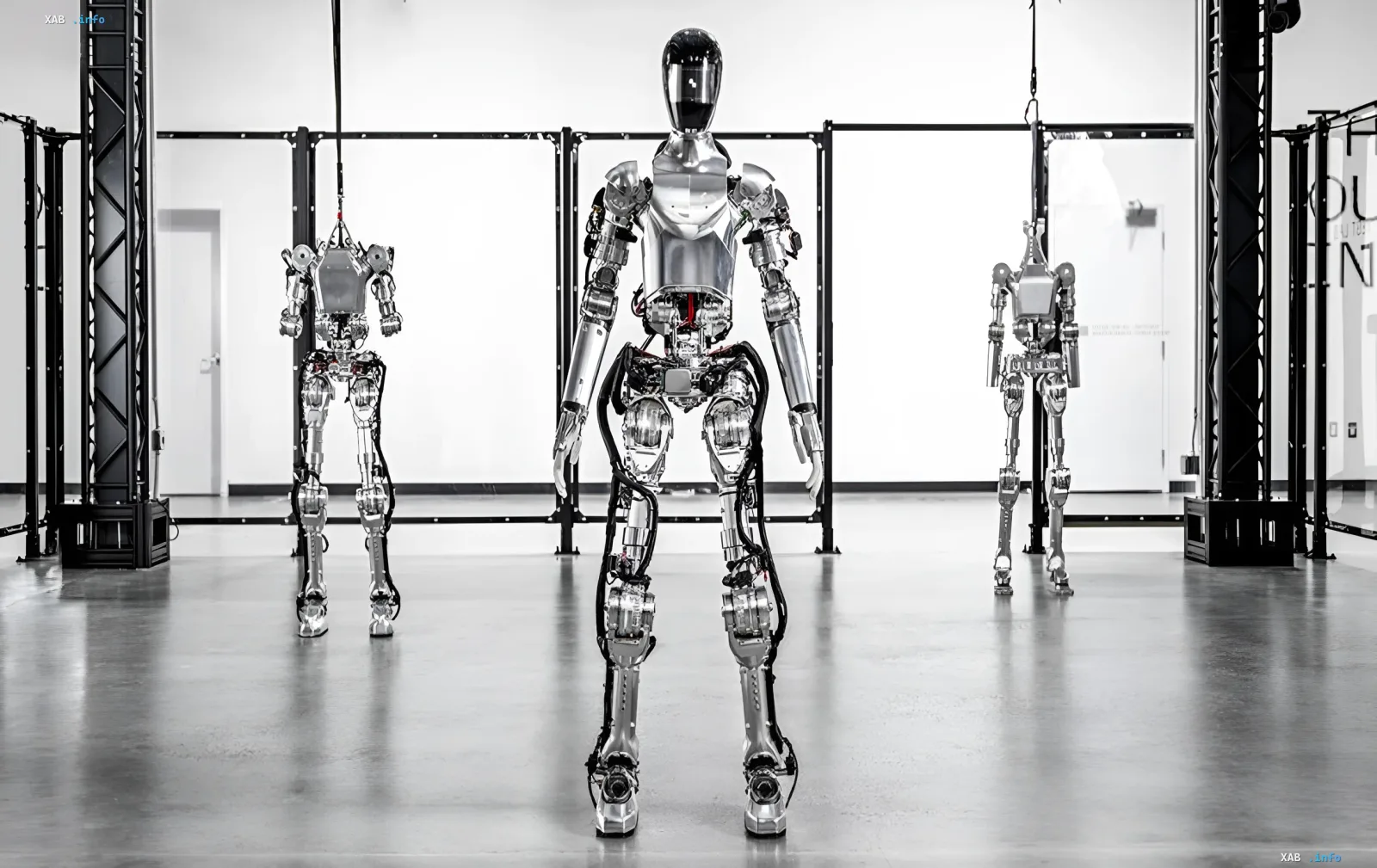
Chinese technology companies are making a decisive step in the development of robotics: humanoid robots are leaving sterile laboratories and entering real production environments. The goal of this large-scale initiative is to teach machines to interact effectively with people and perform everyday tasks that were previously the prerogative of humans.
From simulations to the physical world
Engineers have concluded that virtual simulations are no longer a sufficient tool for training artificial intelligence. It is direct interaction with the physical world and people that allows machines to master necessary skills faster. Unmanned vehicles are already actively working in factories, warehouses, and logistics centers, collecting critically important data.
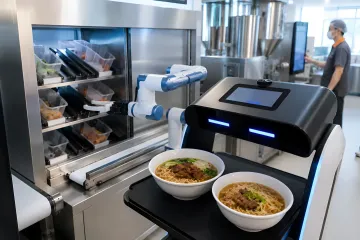
Robots perform simple operations at enterprises, including battery production. During the work process, they record huge arrays of information about movements, manipulation of objects, and reactions to the environment. This data becomes the foundation for training AI models so that in the future, robots can independently cope with tasks of increased complexity.
Training methodology and state support
In the opinion of experts, this approach to training resembles the methodology for developing large language models (LLM). If text models are improved by processing huge volumes of information from the internet, then humanoid robots learn by processing data obtained from the real physical world.
The development of the industry is receiving strong support from the Chinese authorities. Beijing views robotics as one of the key directions for the country's technological leap, striving to strengthen its position in the global competition for leadership in the field of artificial intelligence and production automation.
Current limitations and prospects
Despite rapid progress and ambitious plans, experts emphasize that modern humanoid robots still significantly lag behind humans. Machines still experience difficulties with dexterity, adaptability to unpredictable conditions, and fine motor skills. However, the active integration of AI into androids and their introduction into society and production opens the way to creating machines capable of becoming full-fledged participants in labor activities.