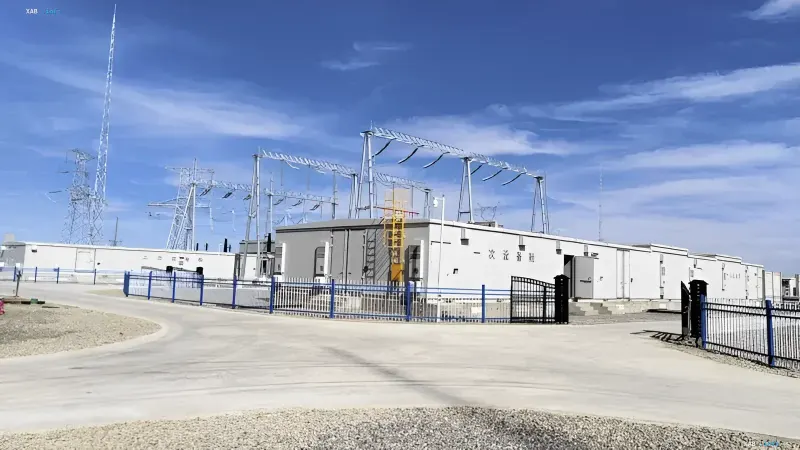
In the Inner Mongolia Autonomous Region, near the town of Mandulatu, the first energization and synchronization with the power grid of the world's largest battery complex, DongSu, was successfully completed. The event, which took place on August 3, 2026, was a milestone for the global energy sector: the 1 GW station with a capacity of 4 GWh was connected to the grid on the first attempt. This large-scale project, implemented by Wanbang Digital Energy, demonstrates the transition from simple energy storage systems to complex systems capable of forming grid parameters.
Technological breakthrough: from storage to 'grid-forming'
The main feature of the DongSu complex is not so much its physical scale as the implementation of advanced grid-forming technology. Traditional inverters operate in grid-following mode, relying on the frequency and voltage already existing in the power system. In contrast, DongSu inverters are capable of independently creating reference voltage and frequency parameters, reacting instantly to power balance disruptions.
This capability makes the station a unique tool for stabilizing power systems with a high share of renewable energy sources (RES). In the event of a major accident where the grid completely loses voltage, such converters can ensure its restart without connecting external power supply, acting as a 'black start' for the entire system.
Project economics and role in the Inner Mongolia power system
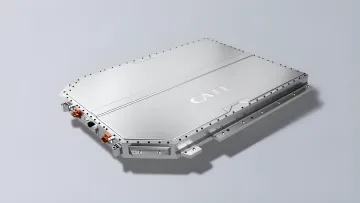
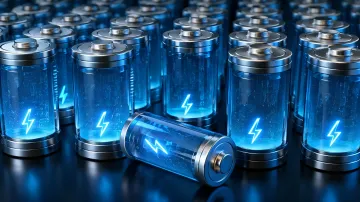
Investments in the construction of the complex amounted to about 3 billion yuan (approximately $445 million). The facility, covering an area of about 28 hectares, is equipped with lithium-iron-phosphate (LFP) batteries. When operating at a nominal power of 1 GW, the energy reserve allows the station to discharge current for four hours. It is expected that about 1 TWh of electricity will be supplied through the complex annually.
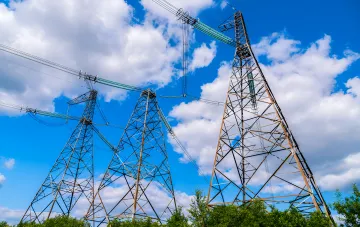
For the Inner Mongolia region, where wind and solar generation are actively developing, such capabilities are critical. Due to the instability of weather conditions, RES power constantly fluctuates. DongSu will not only be able to redistribute energy (charging during periods of surplus and discharging during peak hours) but also replace the stabilizing role of traditional synchronous generators, ensuring grid reliability.
Strategic context: China's Energy Plan 2026–2030
The launch of DongSu fits perfectly into the new energy policy of the PRC. The renewable energy development plan for 2026–2030 provides for the mass introduction of equipment with grid-forming functions, as well as the coordination of power plants with storage systems for more accurate generation forecasting.
By the end of 2025, China already operated 136 GW/351 GWh of new-type storage, with lithium-ion systems accounting for the dominant share (96.1%). The new DongSu complex confirms the country's leadership in the field of energy storage and its aspiration to create a fully sustainable 'green' power grid.