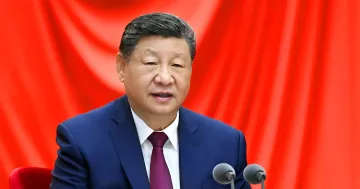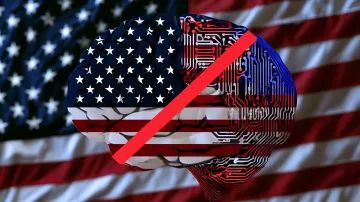
Official Beijing has issued a statement regarding Washington's recent initiative, which has sparked widespread resonance in technological and political communities worldwide. The Chinese Foreign Ministry emphasized that the Chinese side 'respects' the terminology choice made by the United States and highly appreciates their stance on renaming the familiar concept of artificial intelligence to a fundamentally new definition: 'supermind' or 'superintelligence'.
Background and Essence of the Technological Renaming
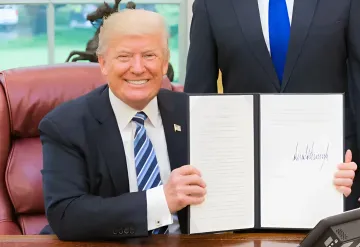
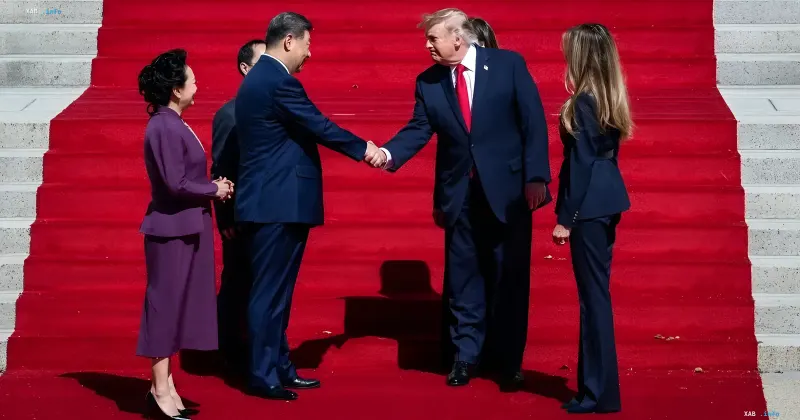
It is worth recalling that on September 22, 2026, U.S. President Donald Trump officially announced that his administration would change the official name of AI in all government documents, reports, and public communications. According to the American leader, the old term no longer reflects the realities and technological value of systems, while 'superintelligence' more accurately represents the scale and capabilities of developing digital platforms. This issue became one of the central agenda items during high-level talks between the U.S. President and Chinese leader Xi Jinping in Washington.
Following the Washington summit, Donald Trump noted on social media that Chinese President Xi Jinping appeared to support the new terminology, agreeing that the old name was often misleading. In turn, China's Ministry of Foreign Affairs stated that artificial or 'superintelligent' technologies are developing at a rapid pace, so all key players on the global stage must expand information exchange and strive to build consensus based on the latest scientific achievements.
Contradictory Data
Despite the official statements from the Chinese Foreign Ministry regarding comprehensive respect for the American choice of terminology and the agreement to establish a special communication channel to resolve incidents, experts point out fundamental divergences in the two powers' approaches to AI safety. U.S. President Donald Trump consistently advocates for accelerated industry development and has repeatedly rejected public concerns that such systems could pose a real threat to humanity. At the same time, Chinese President Xi Jinping maintains a much more reserved and cautious position, insisting that any advanced technologies must remain under strict and continuous human control.
Geopolitical Consequences and Prospects
The creation of a joint communication channel to resolve incidents between the U.S. and China marks a new stage in the global regulation of the technological sphere. Experts agree that despite philosophical differences in approaches to controlling neural networks, both superpowers recognize the need to prevent technological conflicts. The transition to the term 'supermind' in Washington's official rhetoric underscores the American administration's desire to secure leadership in the innovation race, while China's pragmatic reaction opens a window for further constructive dialogue at the highest level.