According to The Moscow Times, as cited by RBC-Ukraine, China has been systematically ramping up its purchases of Russian oil since the start of Russia's full-scale invasion of Ukraine and the imposition of Western sanctions, reaping a multi-billion-dollar benefit from it. At the opening of the VIII Russian-Chinese Energy Business Forum, Rosneft head Igor Sechin stated that the total economic effect for the Chinese side had reached 27 billion dollars. In his words, since 2022 tankers have begun heading to China from Russian ports that previously served European clients — a de facto reconfiguration of logistics from the European market to the Asian one.
Record Share and the Mechanics of Discounts
The share of Russian oil in China's imports reached a record 27%, while the total volume of deliveries exceeded 100 million tonnes per year; in the first seven months of 2026, according to the publication, 67 million tonnes were delivered. At the current exchange rate, China's savings are estimated at 2.3 trillion rubles. According to Argus Media, by the end of August 2026 the Urals grade was being sold in Russian ports at a discount of $26–27 per barrel to Brent. The maximum discount level — 16% compared to prices from other suppliers in China — was recorded in the summer of 2022, and by the end of 2025, after sanctions against Rosneft and Lukoil were introduced, it had fallen to 8.3%.
Contradictory Data
Here it is important to distinguish between different metrics and sources. The figure of 27 billion dollars is a statement by Sechin himself, i.e. a representative of the seller, and it is presented as the 'economic effect' for the buyer; there is no independent audit of this amount in the text. At the same time, the article cites two different ways of measuring the discount: the Urals discount to Brent ($26–27) and the discount to the prices of competing suppliers in China (16% in 2022 and 8.3% at the end of 2025). These indicators are not identical and paint a different picture of the depth of the discount. For comparison: according to the Indian Express, citing customs statistics, India — the second-largest buyer of Russian oil — saved $12.6 billion on discounts over 2022–2025, which is noticeably less than China's figure over a comparable period.
Diplomatic Context
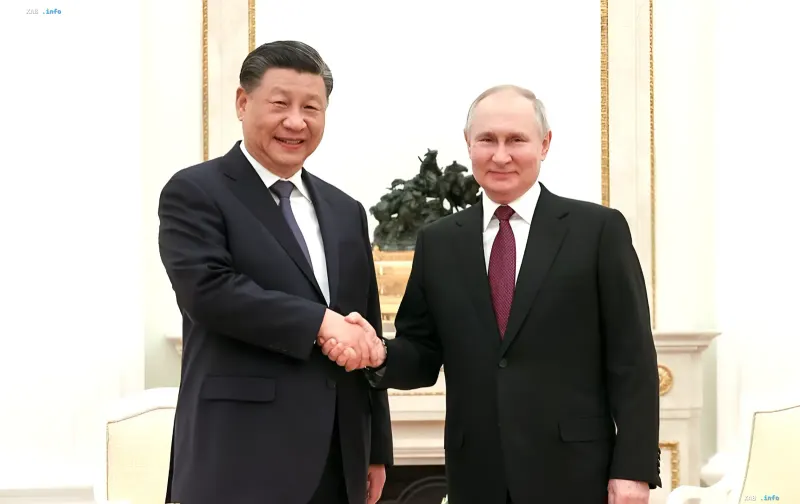
The publication also notes that buyers of Russian oil are increasingly demanding additional compensation for the sanction risks associated with Russian grades. Against a diplomatic backdrop, RBC-Ukraine previously reported that China prevented the G20 from issuing a joint communiqué after a meeting due to a dispute over its huge trade surplus, and that at the upcoming APEC summit in China, Vladimir Putin, Donald Trump and Xi Jinping may reportedly find themselves at the same table.
Bottom Line for the Reader
China has become the main beneficiary of sanction-driven discounts on Russian oil, turning it into a tool for cutting costs, while Moscow gains a stable buyer amid a shift away from European markets. The spread in the figures (27 billion according to Sechin versus the calculated 2.3 trillion rubles and different discount metrics) shows that the precise assessment of the benefit depends on the chosen exchange rate and base price, but the very fact of record volumes and a sustained discount is confirmed by multiple sources.