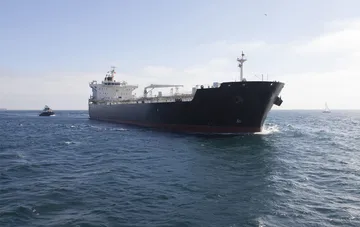
India's largest oil refineries are being forced to revise their feedstock strategy amid a rapid rise in the cost of hydrocarbons from Russia. The main drivers behind the sharp drop in demand are the soaring quotes for the Urals grade and an unprecedented increase in competitive pressure from independent Chinese processors. While previously the discounts on Russian energy resources provided billions in savings for the Indian economy, the situation on the global market has now radically changed.
Economics of the Process and Loss of Discount
The cost of Russian Urals oil loaded from Baltic Sea ports has closely approached global benchmarks, with the premium exceeding 10 dollars per barrel relative to Brent. As a result of the disappearance of this pricing advantage, Indian refineries have lost the financial incentive to purchase raw materials that require complex logistics. According to experts, purchasing Russian barrels is no longer economically justified, forcing importers to urgently seek alternative supply sources.
The China Factor and Persian Gulf Logistics
A serious catalyst for the shortage of Russian oil for the Indian market has been the increased activity of Chinese buyers. As Sumit Ritolia, senior manager at analytical firm Kpler, explained, increased imports by China have drawn away those volumes that would typically be directed to South Asia. Against the backdrop of these processes, Russia's share in India's oil imports collapsed to about 35% in September, although as recently as July this figure reached 56%, and average daily supplies dropped to their lowest level since March 2022.
Contradictory Data
Despite the fact that most specialized analysts and market participants attribute the reduction in purchases exclusively to market economics and the loss of the price discount, alternative opinions exist within the expert community. Some Western and Asian analysts emphasize that growing risks of secondary US sanctions and tariff restrictions may play a significant role in the reorientation of Indian refineries. At the same time, officials and corporate reports insist that commercial conditions remain the decisive factor, making Middle Eastern oil more attractive due to shorter shipping routes and the restoration of flows through the Strait of Hormuz.
Market Outlook and Conclusions
In parallel with the reduction of Russia's share in the Indian market, there is a steady recovery in supplies from Persian Gulf countries, which have already reached approximately 80% of pre-war levels. Considering the rising cost of tanker shipping and geopolitical tensions, including Reuters reports on tanker strikes in the Strait of Hormuz, Indian companies are choosing stability and predictability in logistics. Returning to raw materials from the Middle East region is becoming New Delhi's pragmatic response to the new realities of the global oil market.