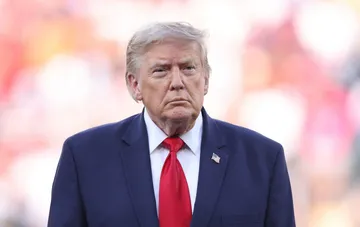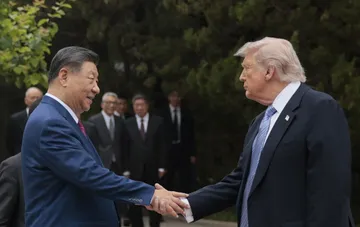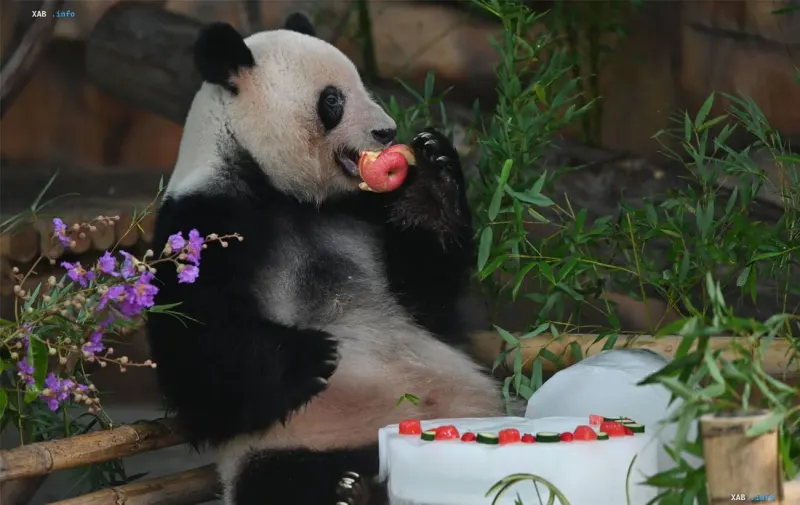
During a meeting with US President Donald Trump at the White House, Chinese leader Xi Jinping announced the imminent transfer of two giant pandas — Ping Ping and Fu Chuan — to the Atlanta Zoo. According to him, the bears will "arrive at their new home" within days and will "meet the Americans." Xi Jinping emphasized that the giant panda "has always been a symbol of friendship between the Chinese and the Americans," thereby giving the gesture a distinctly political character.
Names and symbolism: what Beijing puts into the gesture
According to reports from Chinese media, the name Fu Chuan translates as "double blessing," while Ping Ping means "peace, peace." The choice of names is not accidental: it underscores the peaceful and friendly nature of the gesture, aimed at easing tensions in bilateral relations. For the American public, however, the main practical significance is that the Atlanta Zoo becomes the only zoo in the US where giant pandas will once again appear.
Panda diplomacy: how Beijing's tool works
The practice known as "panda diplomacy" has existed for decades. Initially, China gifted giant pandas to other countries, but since 1984 it has switched to a rental model. Pandas became a symbol of US-China friendship back in 1972, when Beijing gifted two bears to the National Zoo in Washington — a gesture that preceded the normalization of bilateral relations. Since then, Beijing has repeatedly lent pandas to other American zoos.
Pandas as an indicator: withdrawn during tension, returned upon agreement
Historically, a stable practice has developed between the US and China: when tensions grow between the two countries, Beijing takes the pandas home, and when the sides reach an agreement — the bears are returned. Thus, in October 2025, the last three pandas from the Washington Zoo returned to China. Accordingly, the transfer of Ping Ping and Fu Chuan to Atlanta can be seen as a signal of both capitals' desire to de-escalate and restore dialogue.
Context of the visit: Xi Jinping's first flight to the US in a decade
The announcement about the pandas came against the backdrop of a historically rare visit: Xi Jinping flew to the US for the first time in more than ten years and became the first Chinese leader to visit the United States twice during his tenure. The White House meeting was the central event of the trip, where, in addition to symbolic gestures, sensitive topics were discussed — including the issue of Taiwan, which, according to the Chinese side, carries the risk of a direct conflict between the two powers.
What this changes for the US and China
The transfer of two pandas to Atlanta is both a humanitarian and a political step. For the zoo and American viewers, it is the return of one of the most recognizable symbols of Chinese fauna; for diplomacy — a public confirmation of Beijing and Washington's readiness to maintain channels of trust. In a situation where pandas have served for decades as a "living barometer" of relations between the two countries, their appearance in Atlanta can be considered one of the most visible indicators of the current course toward rapprochement.