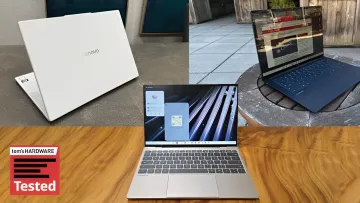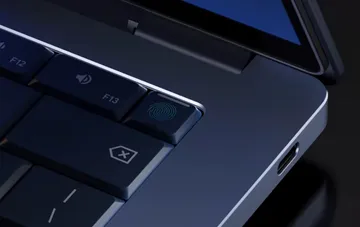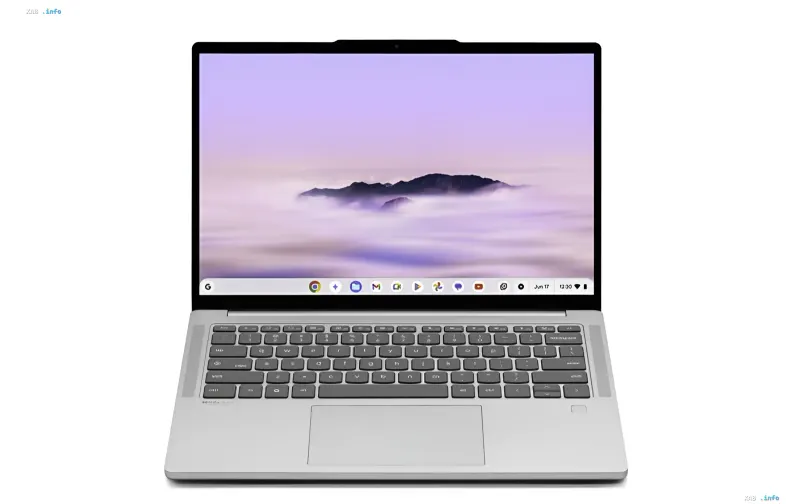
Google has officially announced a massive transformation of its personal computer ecosystem, effectively drawing a line under the long history of the ChromeOS operating system. According to the published plans, the tech giant is transitioning its upcoming laptop lineups to the full-fledged Android operating system, uniting mobile and desktop solutions into a single entity. This step marks a fundamental revision of the company's strategy in the mobile and stationary computing market, which was previously dominated by budget and cloud solutions.
Launch of the Googlebook Lineup and Ambitious Plans
The first wave of innovative laptops under the Googlebook brand will hit the market on October 4, 2026. The new devices are positioned as a premium top-tier product capable of competing fiercely with leading market players, including macOS and Windows-based laptops. The starting price for basic modifications will be from 899 US dollars, emphasizing Google's transition from the budget segment into the premium class of devices with deep integration of artificial intelligence and native Android applications without the need for emulators.
The Fate of Older Devices and ChromeOS Support
Many users and corporate clients are concerned about compatibility and the future of the existing device park. According to official data, Google guarantees the release of updates and security patches for traditional ChromeOS for educational institutions and corporate clients until mid-2034. Since the company sets a standard of 10 years of software support, models whose life cycle extends beyond the specified period will be smoothly and automatically transferred to the new software platform.
Contradictory Data
Discussions have arisen in the expert community and various specialized sources regarding the timeline for the complete phase-out of the Chromebook brand. Official Google representatives in a number of public statements claim that the brand will continue to exist alongside the new lineup. However, internal technical instructions and migration plans unambiguously point to the long-term displacement of the web-oriented ChromeOS by a unified mobile-desktop Android ecosystem, creating certain discrepancies in analysts' assessments.
Consequences for the Market and Ecosystem
The gradual abandonment of ChromeOS is dictated by changing user needs and technological development. If in the past Chromebooks gained popularity due to low price and a focus on web services, modern realities require deep system capabilities, high performance, and support for complex neural network algorithms. Full-fledged administration tools for schools and businesses will become available in the second half of 2027, completing the process of global industry migration.