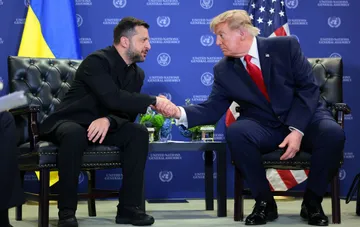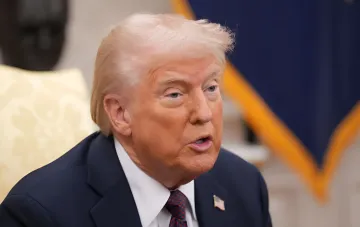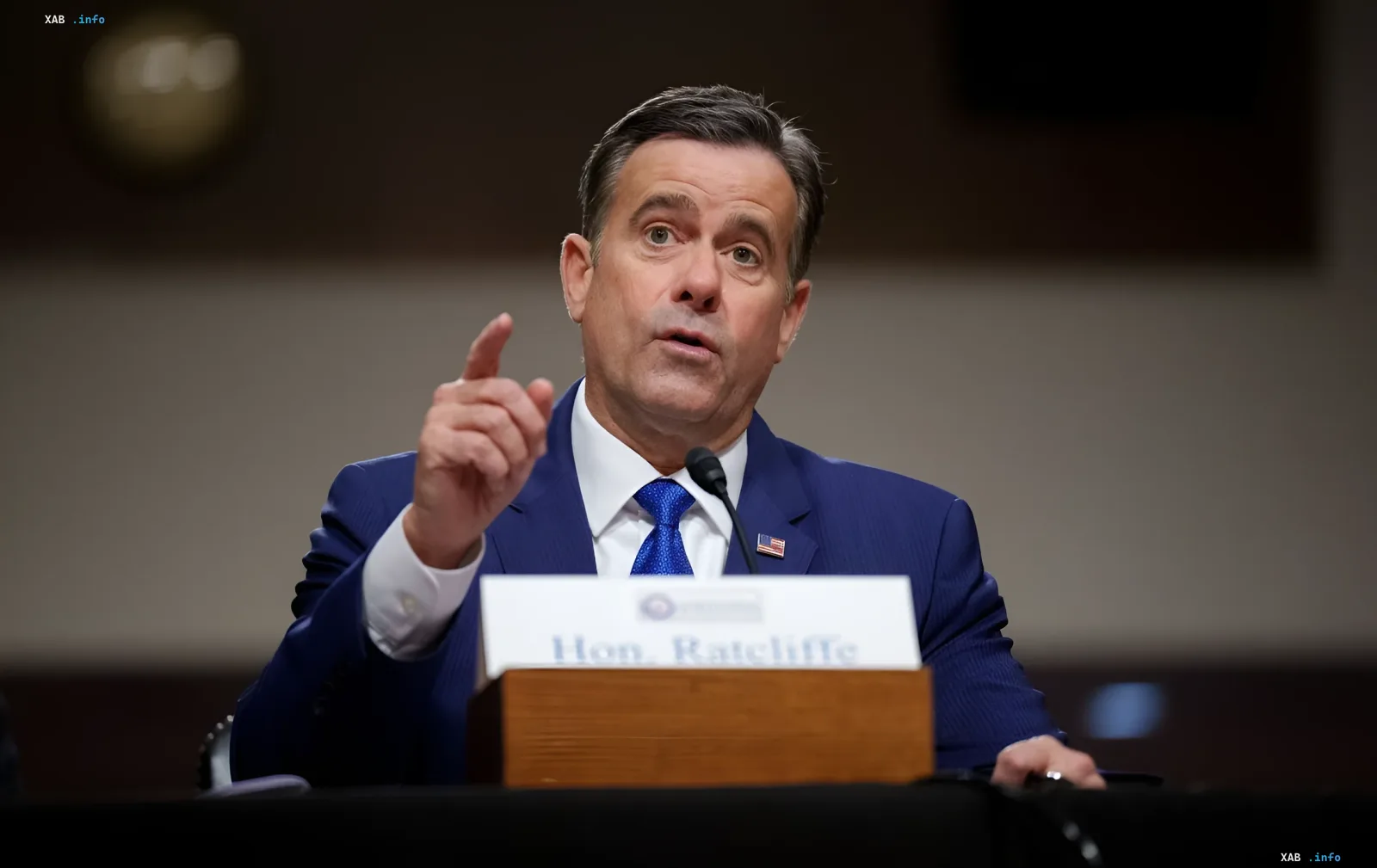
According to sources, CIA Director John Ratcliffe, during a secret trip to Moscow, put forward an initiative to hold a trilateral meeting between U.S. President Donald Trump, Ukrainian President Volodymyr Zelensky, and Russian leader Vladimir Putin. The stated goal of the initiative is to end the war. The outlet notes that this is the first time the head of American intelligence has personally taken part in diplomatic efforts to achieve a breakthrough in relations between Ukraine and Russia.
Secret Trip and the Trilateral Meeting Initiative
According to sources, Ratcliffe's visit to Moscow was partly aimed at finding out whether Russian intelligence chiefs could help persuade Putin to resume negotiations with U.S. mediation. It was in this context, reportedly, that the proposal for a meeting at the heads-of-state level was made — a format that was supposed to give a boost to the stalled negotiation process.
Contacts with Russian Intelligence Services
During the visit, Ratcliffe reportedly met in Moscow with Foreign Intelligence Service (SVR) Director Sergey Naryshkin and FSB Director Alexander Bortnikov. According to sources, the CIA director concluded that Bortnikov is a "constructive player" who can help resume diplomatic efforts. This is, in essence, the first publicly known attempt by Washington to use Russian intelligence channels as leverage to influence Moscow's negotiating position.
"Gloomy Assessment" and a Call for a Deal
Citing a New York Times report, sources note that Ratcliffe conveyed to Bortnikov a "gloomy assessment" of the current situation in the war, urging Russia to strike a deal before the position on the front and overall deteriorates. Thus, the Washington message, according to available data, combined both a signal of readiness for compromise and a warning about the negative consequences for Moscow in the event of continued escalation.
Kyiv's Skepticism and Data on Escalation
At the same time, Ukrainian officials remain skeptical of Putin's intentions. According to their statements, Kyiv has data indicating that the Russian leader is planning a large-scale escalation of the war. This factor significantly complicates the assessment of the prospects for the trilateral meeting proposed by Ratcliffe and undermines trust in Moscow's readiness for real concessions.
Contradictory Data
Here there is a clear discrepancy in assessments of Moscow's intentions. On the one hand, according to sources, Ratcliffe saw in FSB Director Bortnikov a "constructive player" and believes that Russian intelligence services can help resume diplomacy, and Ratcliffe himself conveyed to Moscow a call to strike a deal. On the other hand, Ukrainian officials claim to have data on Putin's plans for a large-scale escalation of the war, which directly contradicts the thesis of Moscow's readiness for negotiations. Neither version has been publicly refuted by either the Kremlin nor the White House, so Russia's actual negotiating position remains a matter of contradictory assessments.
Context: Pause in Negotiations and the Role of Mediators
It is worth recalling that negotiations between Ukraine and Russia mediated by the Trump administration were suspended in mid-February after the start of the war with Iran. Over the past few months, Trump's special envoys Steve Witkoff and Jared Kushner have held separate talks with representatives of Russia and Ukraine, but no significant progress has been achieved. Meanwhile, a few days ago, Head of the Presidential Office Kyrylo Budanov told journalists that negotiations with Russia mediated by the United States could resume in September. Earlier on Friday, Zelensky thanked the United States for the "necessary tone of the conversation with Russia" and stated that the Trump administration "is advancing a realistic vision of what needs to be done and what needs to be achieved."