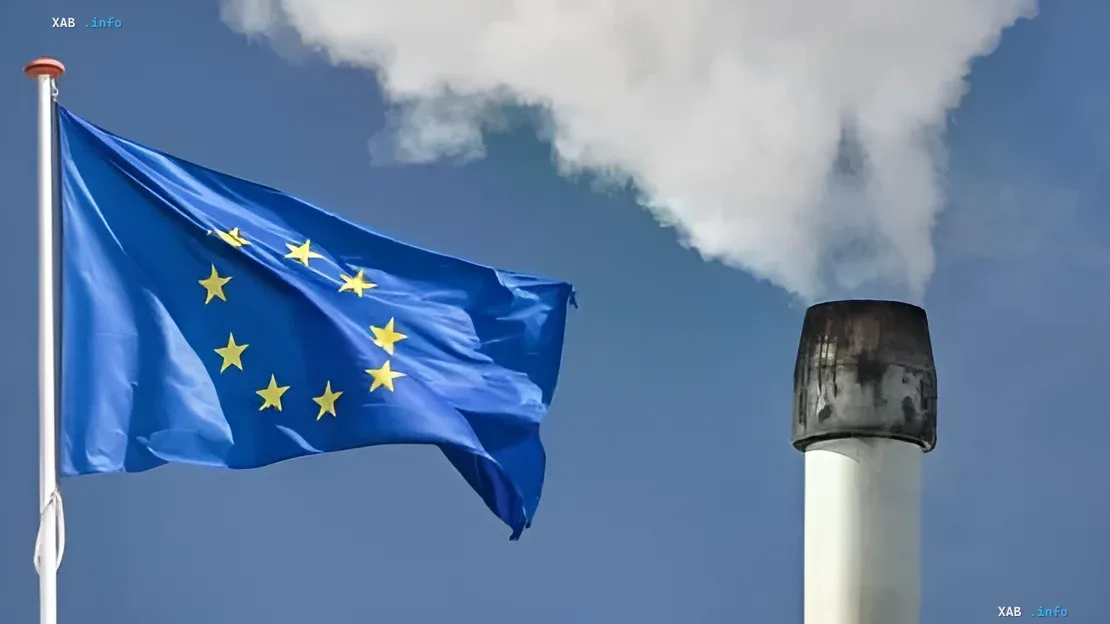
The European Union is preparing a major reform of its climate policy, attempting to find a balance between environmental ambitions and economic realities. Brussels has proposed changing the rules of the Emissions Trading System (ETS) to reduce pressure on industry while maintaining the course of decarbonization.
Deferral and New Opportunities for Industry
A key change is the extension of the validity period of benefits for companies investing in emission reductions. It was previously planned that such companies would receive free quotas for carbon-free activities until 2034. Now this period has been extended to 2038. This decision aims to give businesses more time to modernize and switch to clean technologies.
European Climate Commissioner Wopke Hoekstra called this step a "more sensible approach," confirming that the EU is not abandoning its climate goals but is changing the tactics for achieving them. In addition, from 2036, manufacturers will be allowed to use international carbon credits. This will allow companies to finance emission reduction projects outside Europe and include them in their reports.
Fighting for the Rules of the Game
This reform plan is the result of months of debates between member states. Two camps emerged in the negotiations: Italy, Poland, and the Czech Republic insisted on softening the rules, fearing the loss of competitiveness of their enterprises. At the same time, Spain and the Nordic countries advocated for maintaining strict environmental policy.
The Emissions Trading System, introduced in 2005, remains the foundation of the EU's climate strategy. It obliges high-polluting industries — power generation, metallurgy, cement, and chemical industries — to buy carbon emission quotas. The principle is simple: the polluter pays for the harm.
New Rules for Aviation and Waste
The reform will affect other sectors of the economy as well. Brussels proposed expanding the scope of the ETS to aviation, including flights outside Europe with a flight distance of less than 5000 km. Routes such as Frankfurt — Dubai or Frankfurt — Istanbul will fall under the new rules. Longer flights, such as Frankfurt — Tokyo, will remain outside the scope of regulation for now. Notably, private jets must now join the system.
At the same time, the integration of the waste management sector into the carbon market is planned. However, member states have been given the option to be exempt from this requirement until 2035 if they achieve recycling targets or introduce an equivalent national tax.
Long-term Goals and Deadline Shifts
Despite concessions to business, the EU maintains ambitious long-term plans. The bloc intends to increase the share of renewable energy to 46% of total final consumption by 2040, which is twice the current figures.
At the same time, the plan to extend carbon pricing to road transport and building heating (ETS 2) has faced delays again. The implementation deadlines have already been postponed from 2027 to 2028, and the deferral will likely last even longer.