In the face of constantly rising prices for agrochemicals and fertilizers, gardeners are seeking alternative, budget-friendly ways to maintain the health of their plants. In August 2026, as the active growing season draws to a close and preparations for the next season have already begun, experts from the Royal Horticultural Society (RHS) suggest paying attention to something many throw away daily. We are talking about used coffee grounds — a product that can become a powerful tool for enriching the soil and protecting plants.
Chemical Composition and Benefits for the Soil
Experts emphasize that coffee grounds are not just organic waste, but a complex mixture of compounds essential for plants. According to RHS advisor Andy Vernon, coffee waste contains significant amounts of nitrogen, phosphorus, potassium, and magnesium. These elements form the basis of plant nutrition, promoting their growth and flowering. It is important to note that, contrary to popular belief, the effect of coffee grounds on soil acidity (pH) is negligible and temporary, making them safe for use with most garden crops.
Rules for Safe Fertilizer Application
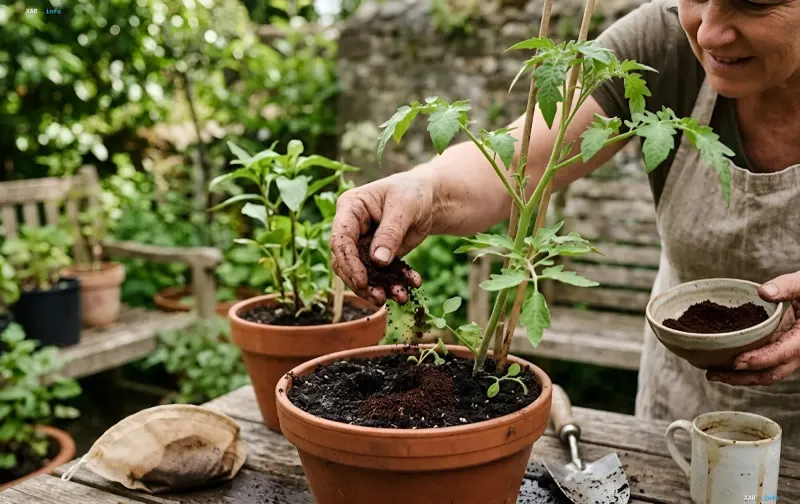
Using coffee grounds requires adherence to certain rules to avoid harming plants. Experts recommend against piling grounds into a thick, dense layer, as they can form a crust upon drying, blocking oxygen access to the root system. The optimal method is to apply a thin layer of grounds around the base of the plants, followed by lightly loosening the top layer of soil. This approach allows nutrients to gradually penetrate the soil without creating a "greenhouse" effect or suffocating the roots.
Protective Properties and Pest Control
In addition to functioning as a fertilizer, coffee grounds act as a natural repellent. The magazine Gardeners' World notes that slugs and snails cannot tolerate the grainy texture of the grounds and the high caffeine content, making them an excellent means of plant protection. The sharp aroma of coffee also helps repel ants, and in some cases, cats and foxes that may damage garden beds. However, it is worth noting that the protective layer washes away with rain, so it must be regularly replenished after rainfall.
Comprehensive Approach: Coffee Grounds and Eggshells
For maximum effect, gardeners recommend combining coffee grounds with another accessible organic material — eggshells. Crushed shells create an additional physical barrier against slugs due to their sharp edges, while also serving as a powerful source of calcium for the soil. However, when using shells, one must consider the specific needs of the plants: calcium lowers soil acidity, so it is not recommended for crops that prefer an acidic environment, such as rhododendrons and blueberries.
Contradictory Data
Despite widespread support for this method from many gardening communities, there are also critical viewpoints. Some sources point out the risks of improper use of coffee grounds. In particular, it is noted that excessive application of grounds to the soil can disrupt the balance of microflora, leading to plant suppression. There is also an opinion that in large quantities, caffeine can be toxic to certain types of plants. Therefore, experts advise starting with small doses and closely monitoring the plants' reaction.
Practical Recommendations for Gardeners
For those who decide to use coffee grounds in their garden, specialists offer the following recommendations: collect grounds only from freshly brewed coffee without added milk or sugar; it is better to slightly dry the grounds before adding them to the soil; do not use grounds as the primary fertilizer, but rather apply them as a supplement to comprehensive plant nutrition. By following these simple rules, coffee grounds can become a valuable resource for any gardener, allowing you to save on purchased fertilizers and improve plant health.