In the world of banknote collecting, where the hobby has evolved into a serious investment tool, an ordinary bill may hide a value many times higher than its face value. As of August 2026, the Ukrainian collectible currency market shows steady interest in rare specimens, for which enthusiasts are willing to pay hundreds of thousands of hryvnias. Experts note that the value of a banknote is determined not only by its age but also by unique characteristics that may go unnoticed by the average person.
The phenomenon of collectible value: from 50 to 100,000 hryvnias
Vitaliy Hashchak, President of the Ukrainian branch of the International Bank Note Society (INBS), explained the key principles of valuing rare money in an interview with RBC-Ukraine. According to him, there is no single banknote that all collectors hunt for simultaneously. The market is segmented: numismatists often build thematic collections, and everyone is looking for their own unique specimens. Nevertheless, there are categories of banknotes that represent special interest and reach astronomical prices.
A striking example is the commemorative 50-hryvnia banknote issued in 2011 to mark the 20th anniversary of Ukraine's independence. Depending on its condition and serial number, its value on the collectible market can exceed the face value by 2000 times. This means that for one such bill, you can get more than 100,000 hryvnias. Banknotes from the period of the Ukrainian People's Republic (UNR) and the German occupation also retain high liquidity and value, however, prices ranging from 2,000 to 15,000 euros apply exclusively to rare specimens, not the entire series.
Search criteria: what makes a banknote valuable?
If you want to understand whether a banknote in your wallet might interest a collector, you need to pay attention to specific signs. First and foremost, these are serial numbers. "Beautiful" numbers (for example, consisting of identical digits or following a strict sequence) significantly increase the value. Collectors also look for production errors: misaligned printing, the presence of extra elements, or missing parts of the image.
It is important to understand that an unusual number or an old issue year alone does not guarantee that a banknote is worth tens of thousands of hryvnias. The final price always depends on the rarity of the specific specimen and current market demand. For example, a 1992 banknote in poor condition may be worth pennies, while the same bill in perfect condition with a unique number will become a coveted trophy.
Where to find rare specimens in 2026
The search strategy depends on the type of banknote. For collectors interested in historical money that is no longer in circulation, Vitaliy Hashchak recommends specialized auction platforms, both online and offline. It is also worth monitoring online stores, antique shops, and attending collector meetings. Groups in social networks and classifieds, and sometimes flea markets, can become a source of unexpected finds.
As for modern circulating banknotes, their search requires patience and attentiveness in everyday life. Collectors advise carefully checking change in stores, money from ATMs, or when withdrawing cash at bank branches. It is in the flow of circulating money that you are most likely to encounter specimens with interesting numbers or misprints that have not yet been bought by other numismatists.
New 2000 hryvnias: prospects for collecting
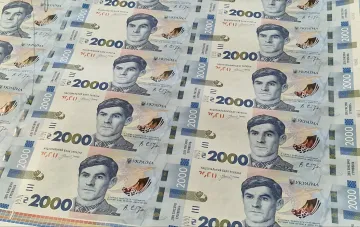
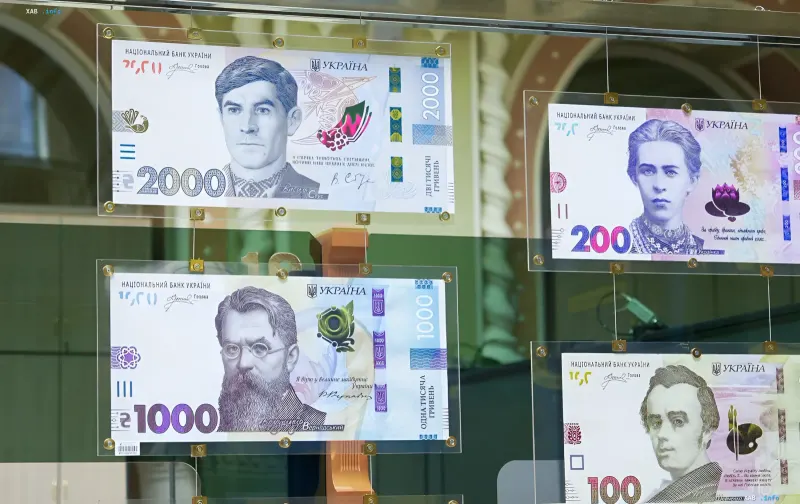
Special attention in August 2026 is focused on the new 2000-hryvnia banknote, featuring the portrait of the Ukrainian poet of the Sixties, Vasyl Stus. The National Bank emphasized that the introduction of the new bill will not lead to inflationary price growth. However, for collectors, this news means the appearance of a new investment object. It is expected that the first serial numbers of this banknote, which will enter circulation on September 4, 2026, will become particularly valuable on the collectible market in the near future.