Clandestine Recruitment: How Cartels Use the Ukrainian Front for Training
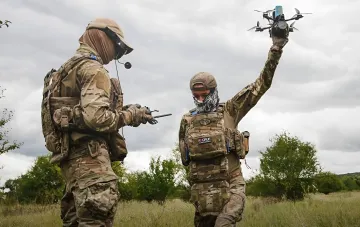
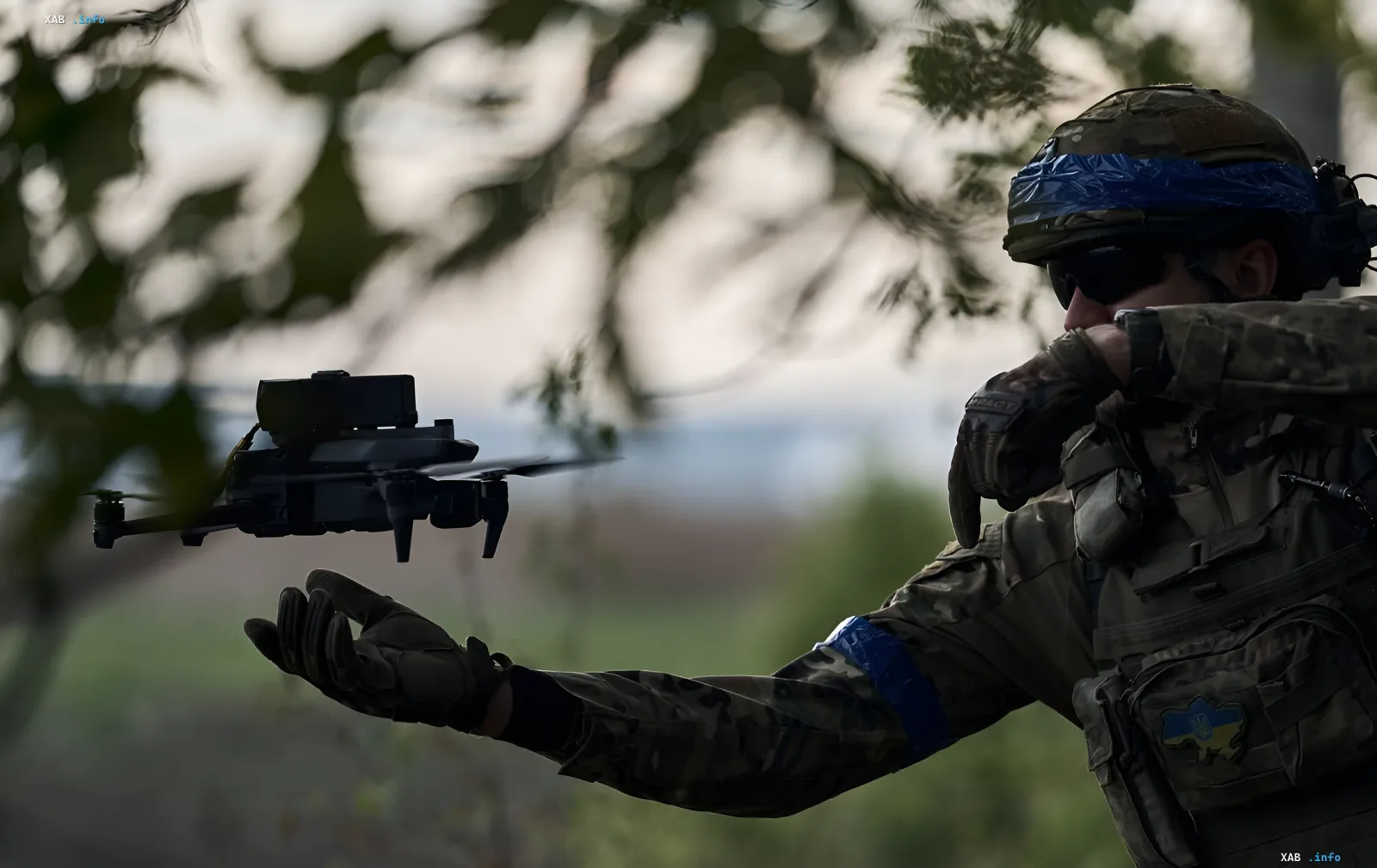
Over the past year, Ukrainian military and intelligence services have repeatedly recorded attempts by Colombian criminal groups to send their fighters to the combat zone disguised as volunteers. The goal is not to fight the Russian invasion, but to gain practical experience in drone warfare. According to Colombian humanitarian organizations, the ranks of foreign volunteers in Ukraine include former members of paramilitary groups, guerrillas, and even former soldiers of the Colombian regular army. They are learning to operate FPV drones, encrypt communication channels, and install explosive devices — skills that could subsequently be used against state structures in their home country.
"Recruitment schemes are very complex, but what worries me most is the level of specialization they acquire," stated an employee of a humanitarian organization working in Ukraine. He noted that many of these fighters already have combat experience, but the Ukrainian front provides them with a unique opportunity to master advanced technologies unavailable in Colombia.
Filtration and Screening: How Ukraine Responds to the Threat
The Ukrainian side is aware of the risks associated with the recruitment of foreign fighters by criminal groups. Taras Palianytsia, an employee of the Center for Recruitment of Foreign Specialists at the Ministry of Defense of Ukraine, confirmed that men sent by cartels to gather experience were identified in time, screened out, and sent home. At the same time, he emphasized that conscientious Colombian volunteers who came of their own free will demonstrate high efficiency: they adapt quickly, withstand difficult service conditions, and receive positive feedback from commanders.
"Colombians can learn, adapt very quickly, and withstand difficult service conditions. They have proven their ability to commanders, who like these guys very much," said Palianytsia. This indicates that the problem lies not in the nationality or motivation of the fighters themselves, but in the recruitment and control mechanisms of criminal structures.
The Technology Gap: Why Drones Are Changing the Rules of the Game in Colombia
Drones have radically changed the nature of the long-standing conflict in Colombia. If previously the country's government had complete air superiority, the situation has now changed: drug cartels are actively integrating drones into their tactics. Last year, Colombian military forces were able to neutralize 96% of drone attack attempts thanks to radio frequency suppression and the physical destruction of devices. However, criminal groups are looking for ways to bypass electronic warfare systems, and this is where interest in the Ukrainian experience arises.
One Colombian FPV drone pilot fighting in Ukraine said: "In Colombia, FPV drones are already starting to be used, but it is still unknown how to encrypt the communication between the drone and the pilot, or how to install an explosive device just like they do here, in Ukraine." This indicates that the Ukrainian front has become a kind of "test range" for refining technologies that will subsequently be exported to Latin America.
Contradictory Data
There are discrepancies in the assessment of the scale of the problem. On the one hand, Ukrainian officials state that all recruitment attempts by cartels have been identified and stopped. On the other hand, Colombian sources and analysts point out that some fighters were still able to gain experience and return home. For example, in interviews, Colombian pilots mention that they have already started applying the skills acquired at home, although they do not reveal details. This creates uncertainty: how effectively the filtration system works and exactly how many fighters actually underwent training and returned to Colombia.
Global Consequences: Why This Matters for International Security
Analysts emphasize that the transfer of military knowledge from Colombians returning home after serving in Ukraine poses a serious threat to international security. If drug cartels gain access to technologies tested on the Ukrainian front, this could lead to an escalation of violence in Latin America, an increase in civilian casualties, and the strengthening of criminal groups' positions. The priority task for the international community should be to prevent such transfer of knowledge — through enhanced control over recruitment, monitoring the return of foreign fighters, and cooperation between countries.
Some volunteers from Latin American countries are indeed learning to operate FPV drones in Ukrainian Armed Forces units to later use the acquired skills in the interests of international criminal groups. This makes the Ukrainian front not only a battlefield for sovereignty but also a potential source of technological export for global threats.