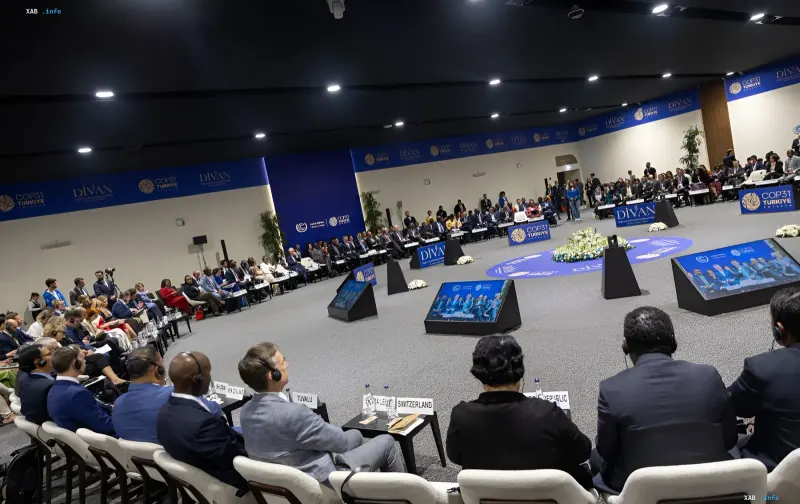
The UN Climate Change Conference COP31, held in Antalya, Turkey, has concluded without a general agreement: states failed to approve the final text of the pact. The negotiations, which lasted over two weeks, were originally scheduled to end on Friday, but due to persistent disagreements among delegations, meetings were extended through the weekend. Notably, the final draft document failed to secure the support of the European Union, making a consensus impossible.
Course of Negotiations and Statement by the Summit President
At the final plenary session, COP31 President Murat Kurum of Turkey officially acknowledged the lack of consensus. «It is clear that there are parties in this hall opposing this text. We acknowledge that there is no consensus on this document. Therefore, these decisions were not adopted,» he stated. Thus, the organizers chose not to force a vote among participants and recorded the breakdown of negotiations, which is a rare outcome for annual climate summits.
Positions of Parties and Content of Drafts
Australia, which led the negotiating process, and Turkey as the host country released several versions of the draft agreement in an effort to find a compromise between the interests of countries most vulnerable to climate change and nations whose economies depend on the extraction or consumption of fossil fuels. One of the drafts explicitly recognized for the first time that global warming will likely exceed the 1.5-degree Celsius mark—the threshold that previous climate agreements aimed to stay within. The document also called for accelerating the development of carbon dioxide removal technologies. Critics, however, considered the proposed text insufficiently ambitious, which was one of the reasons for abandoning a joint decision.
Climate Context: Records and Consequences
The collapse of negotiations occurred against the backdrop of increasingly tangible consequences of warming: extreme heat in Europe and floods in Nepal caused by melting glaciers. According to the UN World Meteorological Organization, the global average temperature from January to September 2026 was 1.47°C above pre-industrial levels, and October became the warmest on record at 1.75°C above that benchmark. During the summit, specifically on November 12–13, a separate day was dedicated for the first time to the resilience of megacities against extreme temperatures, including preparing cities for heatwaves up to 50°C.
Historical Perspective
The Conference of the Parties (COP) remains the main mechanism for coordinating efforts to curb warming: annual summits allow for harmonizing joint actions, demonstrating readiness for international cooperation, and discussing the financing of measures. The last equally severe failure of climate diplomacy occurred in 2009 in Copenhagen, when countries also failed to adopt an agreement by consensus. The current outcome of COP31, amid ongoing temperature records and ocean heating, once again raises questions about the multilateral process's ability to produce binding commitments.