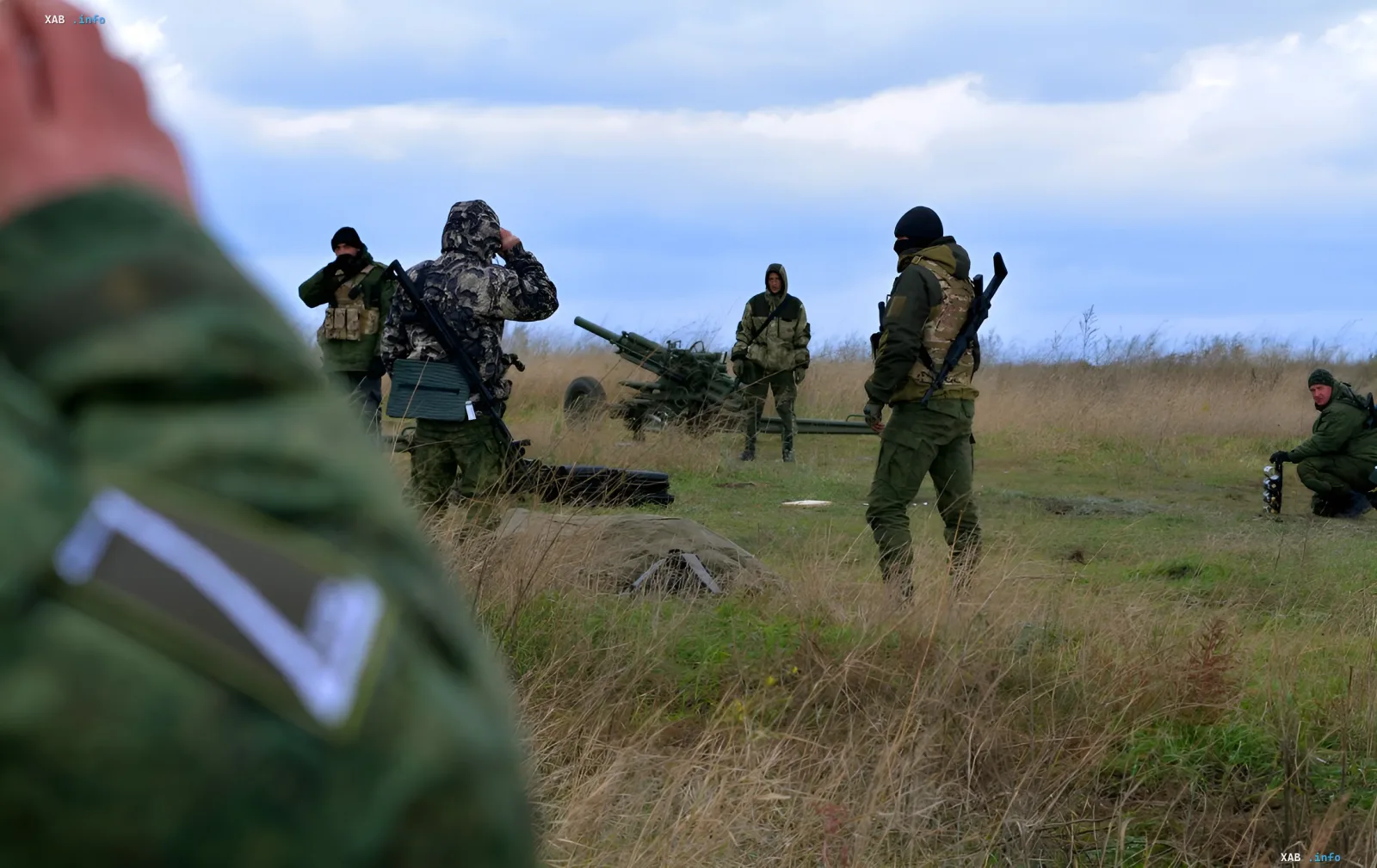
In August 2026, the Russian side officially announced the creation of a new combat formation — the so-called 'Ukrainian Volunteer Special Forces Brigade'. This is reported by RBC-Ukraine citing a fresh report from the Institute for the Study of War (ISW). According to the Russian Ministry of Defense, this unit was formed on the basis of combined irregular detachments, which include Ukrainian prisoners of war and former members of the Armed Forces of Ukraine.
Structure of the new formation and sources of recruitment
According to analysts, the Russian command has merged several previously operating formations to create a full-fledged brigade. The new structure includes battalions named after Kryvonos and Berest, as well as detachments named after Matrosov, Pushkar, and Slobodsky. Russia positions these units as volunteer-based, however, ISW points out that their core consists of Ukrainian prisoners of war coerced into cooperating with the occupiers, as well as individuals who, according to Moscow, allegedly defected to the side of the aggressor.
Chronology of violations: from 2022 to the present
The ISW analytical center notes that this is not the first instance of Russia using prisoners for combat purposes. The first recorded reports of Russia forming combat units involving Ukrainian POWs appeared as early as November 2022. In particular, in December 2023, the 'Bohdan Khmelnytsky' battalion operated in the western part of the Donetsk region, belonging to the 'Kaskad' formation of the so-called Ministry of Internal Affairs of the 'DNR'. The current creation of a brigade indicates the systematization of this process and a transition to creating large tactical units from among prisoners.
Gross violation of international norms
Experts emphasize that Russia's actions constitute a direct and gross violation of the provisions of the Geneva Convention regarding the treatment of prisoners of war. The document categorically prohibits involving prisoners in military service or any military activity on behalf of the state that captured them. The convention clearly stipulates that no prisoner of war may be sent or held in areas where they may be exposed to the fire of combat zones, nor should they be involved in work that is harmful or dangerous in nature. The creation of combat brigades from prisoners completely ignores these norms.
The human rights situation in Russian camps
The context of creating such formations is inextricably linked to the overall situation in places of detention for Ukrainian prisoners of war. Previously, the Ombudsman of the Verkhovna Rada, Dmytro Lubinets, stated that more than 95% of Ukrainian POWs in Russia are subjected to systematic torture. Particular attention is drawn to the fate of Azov fighters: more than 600 Azov members are held in Russian captivity. According to human rights defenders, more than 20 of them are in critical condition, and almost half have been convicted on fabricated charges during show trials.