New phase of repatriation: 261 bodies returned to Ukraine
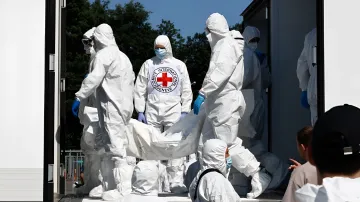
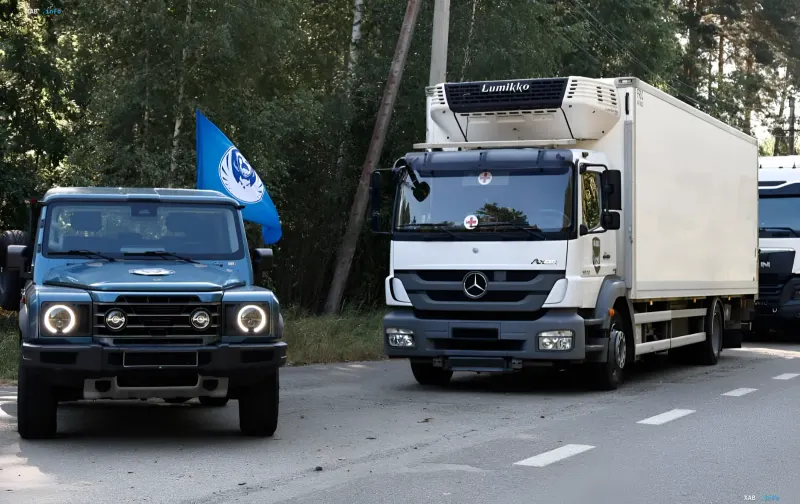
As of August 13, 2026, the bodies of 261 deceased individuals have been delivered to Ukraine. This was officially reported by the Coordination Headquarters for POW Affairs. According to information provided by the Russian side, among the returned remains are Ukrainian servicemen. However, final confirmation of their affiliation with the Armed Forces of Ukraine is possible only after a comprehensive forensic examination.
The identification process requires time and includes a number of complex procedures: DNA analysis, anthropological assessment, checking personal belongings and documents, as well as interviewing relatives. Law enforcement investigators have already begun working together with expert institutions to establish the identity of each of the returned deceased.
Chronology of repatriations: from 501 bodies in July to current data
This is not the first mass repatriation of bodies of the deceased. On July 16, 2026, the bodies of 501 deceased were returned to Ukraine — according to Russian data, Ukrainian servicemen were also among them. At that time, a large-scale identification process began, which continues to this day. As of August 12, according to Ombudsman Dmytro Lubyntsi, the list of those killed in Russian captivity already includes 375 confirmed names — both military personnel and civilian hostages.
Contradictory data: exactly who was returned?
There is a discrepancy in the interpretation of the composition of the returned bodies. The Russian side claims that all 261 bodies belong to Ukrainian servicemen. However, Ukrainian experts emphasize that a final conclusion is possible only after the examination is completed. In the past, there have been situations where civilian persons or even citizens of third countries were found among the returned bodies. This creates a need for a thorough check of each case.
Psychological and social burden on families
For the families of the deceased, repatriation is both a relief and a new tragedy. The opportunity to bury loved ones in their homeland is an important part of the healing process. However, waiting for the results of the examination can drag on for months, which adds to the suffering. State structures and public organizations are working on creating psychological support for relatives, but the scale of the problem requires a systemic approach.
International context and humanitarian consequences
The repatriation of bodies of the deceased is not only an internal process but also an element of international humanitarian law. The UN and the ICRC have repeatedly called on the parties to the conflict to comply with their obligations to return remains. Current actions by Russia and Ukraine in this direction could set a precedent for future negotiations. However, the lack of transparency and delays in identification are drawing criticism from human rights defenders.