The situation in occupied Crimea is changing rapidly: the peninsula is turning into a closed militarized zone where the civilian population is held hostage by the Kremlin's military interests. Russia is tightening control, introducing unprecedented restrictions on access to mobile communications and the internet.
"Digital quarantine" regime in Dzhankoy
According to the Center for Countering Disinformation (CCD), in some cities on the peninsula, communications will work only for part of the day. Specifically, in Dzhankoy, mobile communications and internet access will be available for only eight hours a day. For the rest of the time, the city's residents will remain completely cut off from the outside world.
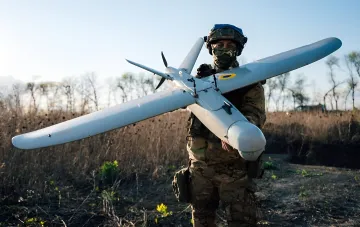
CCD experts point out that such measures are dictated solely by the military needs of the occupiers. Restricting communications is intended to complicate the dissemination of information about the movement of Russian equipment and personnel, creating a "radio silence" effect to protect military facilities.
Information blockade and control
In addition to concealing military operations, communication outages serve as a tool to strengthen control over the information space. The occupation authorities are trying to limit residents' access to information undesirable to Moscow, isolating the population from independent news sources.
"The civilian population is becoming a hostage of the Kremlin's military interests, which is turning Crimea into a closed militarized zone," the CCD statement emphasizes.
Energy collapse and chaos
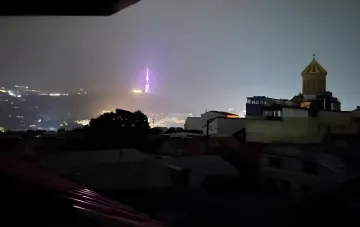
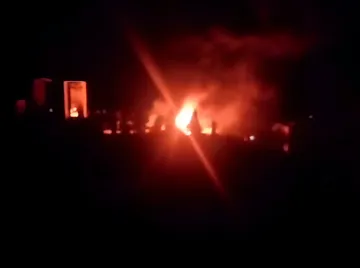
The communication problem is exacerbated by massive power outages that have been continuing for several weeks. After strikes on the energy infrastructure, the occupation authorities stopped disclosing information about which specific settlements remain without electricity.
A particularly difficult situation has arisen in Sevastopol. Here, not only have power outage schedules been intensified, but local authorities have also admitted that they can no longer predict when power supply will be restored. Residents of the region are forced to exist in conditions of complete uncertainty, not knowing when the lights will come back on or when communications will work again.