Ukrainian metallurgy is facing a threat that, according to experts, could prove more destructive than in the first year of the full-scale war. The suspension of the sea corridor this year has created unprecedented risks for the industry, which could lead to irreversible losses of production capacity.
Andriy Tarasenko, the lead analyst at GMK Center, warns: without urgent decisions to resume exports and reduce internal pressure, part of the enterprises will inevitably go into downtime. The situation is exacerbated by the fact that alternative routes and sales markets in 2026 have been significantly narrowed.
Loss of the Main Export Pillar
The sea corridor remains a critically important channel for the survival of the industry. The statistics for the first half of 2026 are eloquent: about 50% of steel exports, 95% of pig iron, and half of the iron ore supplies passed through it. The abrupt cessation of shipping knocks out this pillar almost instantly.
Unlike 2022, when the European Union compensated for the logistical collapse by abolishing trade barriers, the situation is different now. In 2026, new import quotas came into force. According to GMK Center calculations, they could reduce Ukrainian steel supplies to the EU by 60% compared to the previous year.
The Economic Trap of Land Routes
The industry is losing the ability to export steel semi-finished products by sea. In the first half of the year, their supplies amounted to about 520,000 tons. Transporting such products by land is economically unfeasible due to low margins and costs associated with the CBAM mechanism (Carbon Border Adjustment Mechanism).
The mining sector proved to be the most vulnerable. A decline in global ore prices made exports through European ports unprofitable. Analysts predict that production in this segment could fall by 35% compared to the beginning of the year, and part of the capacity will have to be shut down.
Rising Costs and Import Threats
The closure of sea routes also hits raw material imports. After the loss of the Pokrovska Coal Group, plants depend on coal supplies from the US and Australia. Delivery via European ports and railways could cost twice as much, which would increase the final cost of products by approximately 15%.
Direct losses for metallurgy due to reduced exports are estimated at $150–200 million per month. This figure does not account for the rising cost of raw materials and the risks of a complete production shutdown. In addition, a shortage of rolled products that Ukraine does not produce itself but imports through ports may arise in the domestic market.
Cause of the Crisis: Attacks on Ports
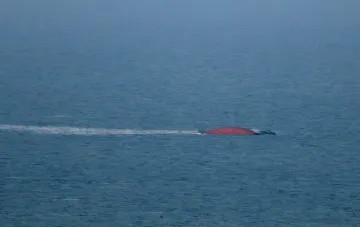
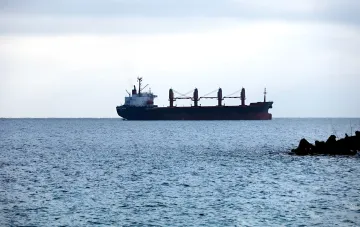
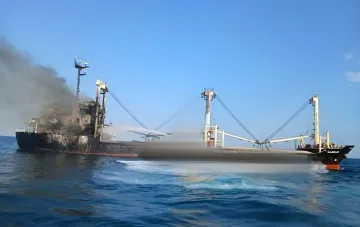
The factor that effectively stopped shipping was targeted attacks by the Russian Federation on the ports of Greater Odesa. The key event was the attack on July 19 on the bulk carrier Golden Leo under the flag of Guinea-Bissau. As a result of the incident, 9 foreign sailors and a Ukrainian pilot died, and the ship sank. More than 60% of Ukrainian exports were put at risk.
Experts emphasize: in addition to logistics problems, EU quotas, increased railway tariffs, and electricity costs have been added. Without rapid state intervention, the crisis threatens long-term production cuts and the loss of industrial assets.