On August 18, 2026, Ukraine's industrial sector found itself on the brink of a critical point. The Federation of Metallurgists of Ukraine (FMU) appealed to the government with an urgent call to take measures to save the industry, warning of a real threat of a complete shutdown of enterprises. Experts and trade union representatives note that the combination of a logistical collapse and a sharp rise in domestic tariffs creates a "double blow" effect, which could lead to mass layoffs and an irreversible weakening of the state's defense capabilities.
Logistical Deadlock: Sea Ports and Alternative Routes
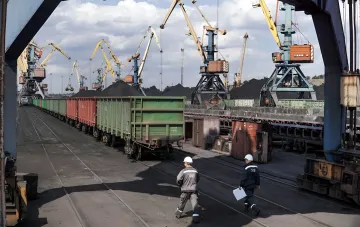
According to the Federation, the fundamental cause of the current crisis is the systematic blocking of sea exports. Despite adaptation attempts, port infrastructure continues to be under attack from Russian strikes, making traditional sea routes unreliable. Alternative routes, particularly via the Danube and land crossings to the west, have proved unable to fully compensate for the loss of sea logistics. The limited capacity of these routes, combined with significantly higher transport costs, makes Ukrainian steel less competitive in the global market.
"Only the complete and unconditional unblocking of ports for all cargo will save the situation," emphasize metallurgists' representatives. Without restoring full-fledged sea exports, the industry will not be able to withstand competition with manufacturers from other countries where logistics costs remain stable.
Blow to Cost: Increase in "Ukrzaliznytsia" Tariffs
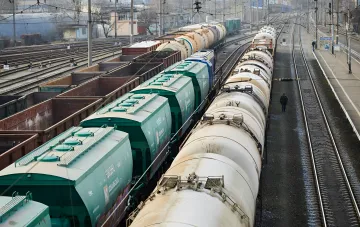
The situation is exacerbated by internal economic policy. An additional blow to enterprises was the 30% increase in freight tariffs by "Ukrzaliznytsia". For metallurgy, which is one of the most resource-intensive industries, this decision has become critical. Producing one ton of finished metal products requires transporting about three tons of raw materials. Thus, the rise in railway tariffs directly and multiplies the cost of the final product, making it unprofitable for export.
Analysts note that new tariffs could cause significant damage not only to metallurgy but also to the construction sector, which depends on the availability and price of metal. Rising costs will inevitably lead to the increased cost of construction projects and a decrease in the investment attractiveness of the industry.
Political and Economic Consequences
The Federation of Metallurgists is calling on the state to adopt a comprehensive package of measures: from the complete unblocking of sea ports to the cancellation of the "Ukrzaliznytsia" tariff increase. Additionally, it is proposed to temporarily reduce the tax burden on enterprises and workers, as well as launch mechanisms for insuring war risks jointly with international partners. "Preserved metallurgy is a preserved economy and the state's long-term ability to offer worthy resistance to a treacherous enemy," the statement says. The loss of the industry threatens not only economic collapse but also a reduction in tax revenues necessary for financing the defense.
Contradictory Data
There are differences in assessments of the scale of the crisis between industry representatives and state structures. The Federation of Metallurgists insists that the industry is on the verge of collapse and requires immediate intervention. At the same time, representatives of the railway operator and the Ministry of Infrastructure argue that the tariff increase is necessary to cover colossal expenses for infrastructure restoration and modernization, which cannot be financed without a price increase. Thus, a conflict of interests arises: metallurgists demand the preservation of current conditions for survival, while the railway operator is forced to raise tariffs to ensure its own operability.