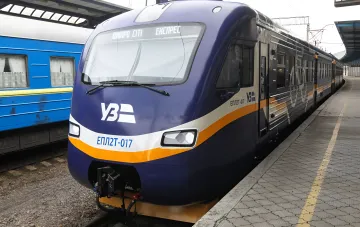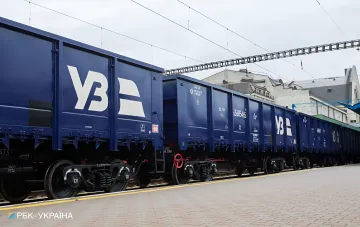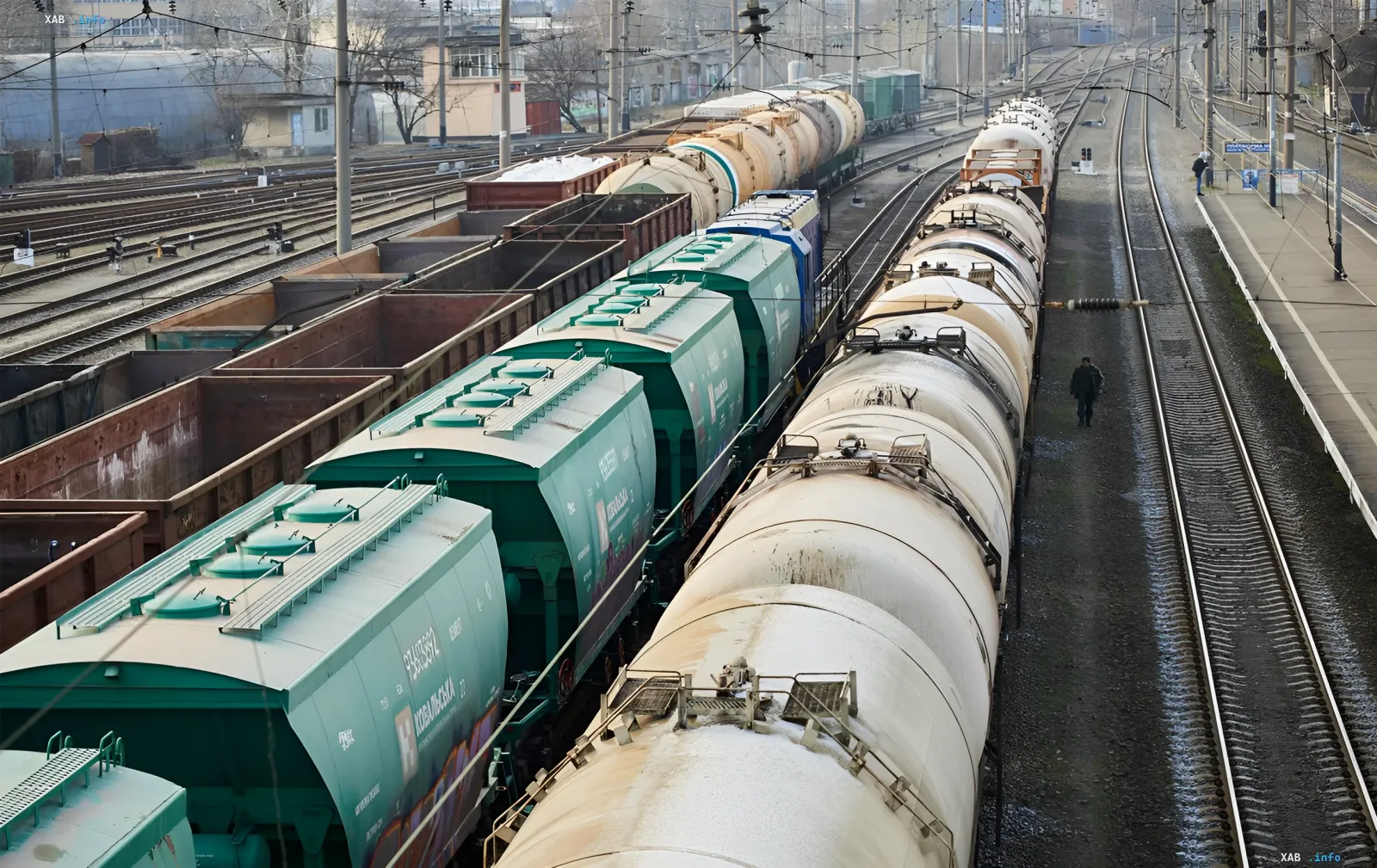
The National Association of the Extractive Industry of Ukraine (NADPU) has publicly voiced its opposition to the planned 30% increase in Ukrzaliznytsia's freight tariffs. This is reported by RBC-Ukraine, citing the association's corresponding statement. NADPU argues that such a decision intensifies pressure on industry at a time when enterprises are already facing Russian attacks and port blockades. According to the association's assessment, the new tariff hike could lead to reduced production, the loss of export contracts, foreign-currency earnings, tax revenues, and jobs.
Lack of a Full Alternative to Rail
The association's key argument is that Ukrainian industry effectively has no full alternative to rail transport. Western border crossings, according to NADPU representatives, are overloaded, the Danube ports have limited throughput capacity, and shipments via neighboring countries have become significantly more expensive. Against this backdrop, the association believes, further increases in domestic Ukrainian rail freight costs become critical for export-oriented sectors.
Economic Risks: From Taxes to GDP
NADPU provides its own calculations of the possible consequences of the 30% hike decision. These include losses of up to UAH 36 billion in tax revenues, up to USD 2.4 billion in foreign-currency earnings, and up to UAH 96 billion in GDP. The association also warns that part of the cargo may shift to road transport, which potentially means up to 75,000 additional trucks on the country's roads. It is separately noted that the situation is already critical for the mining and metallurgical industry: in some cases, logistics costs exceed the profit per ton of product, making export contracts unprofitable.
Contradictory Data
Publications on the topic show a discrepancy in the key figure of the increase. The main text of the statement and a number of outlets refer to a 30% figure (from August 1, 2026), with a possible further increase of another 15% from January 2027, which in total yields a cumulative growth of around 45–50%. At the same time, the headline of one source (UNIAN) describes the initiative as an increase of "more than 40%." Thus, there is no single agreed-upon figure in the public domain: 30% is the one-off 2026 indexation, while "more than 40%" reflects either the cumulative effect of the two stages or a different interpretation of the initiative. Moreover, all macroeconomic estimates (UAH 36 billion in taxes, USD 2.4 billion in earnings, UAH 96 billion in GDP, 75,000 trucks) are calculations by NADPU itself and have not been confirmed by an independent audit.
The Association's Five Proposals
Instead of a 30% hike, NADPU calls a tariff adjustment range of no more than 5–14% for 2026–2027 reasonable. The association also points out that Ukrzaliznytsia's freight base shrank by almost half in 2021–2025 — from 315 million to 161 million tons — while the freight segment remains profitable, whereas passenger transport losses in 2025 amounted to about UAH 20 billion. In this regard, NADPU considers it wrong to cover passenger losses at the expense of shippers and proposes financing the passenger segment from the state budget through the PSO mechanism, as practiced in EU countries. Among the five priority steps proposed by the association: introduce discounts of up to 25% for stations within a 150–200 km radius of the front line; finance passenger transport from the budget through PSO; restore the locomotive fleet and crews with the help of international partners; optimize Ukrzaliznytsia's expenditures; and set a goal of returning the freight base to its previous levels.
Context: Timeline of the Tariff Initiative
As a reminder, in June the Ministry of Community and Territory Development published a draft order proposing to raise freight rail tariffs by 30% from August 1, 2026, and by a further 15% from January 2027. Business has previously voiced opposition to the tariff hike and warned that the consequences could turn out worse than the expected effect. Experts also point out that this Ukrzaliznytsia initiative may affect fuel prices in Ukraine. At the same time, Ukrzaliznytsia itself faces a shortage of locomotives, a lack of drivers, a reduction in the working wagon fleet, and infrastructure wear, but, according to NADPU's position, these problems cannot be solved by further raising tariffs for industry. The association emphasizes that in wartime the transport infrastructure is part of the country's economic resilience, so tariff policy should be aimed at preserving production and exports, not at further reducing freight volumes.