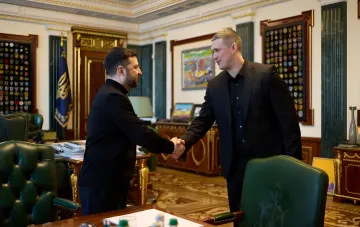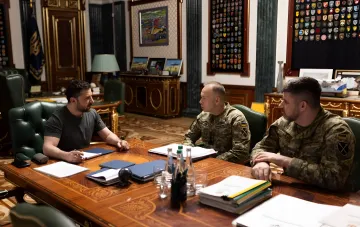

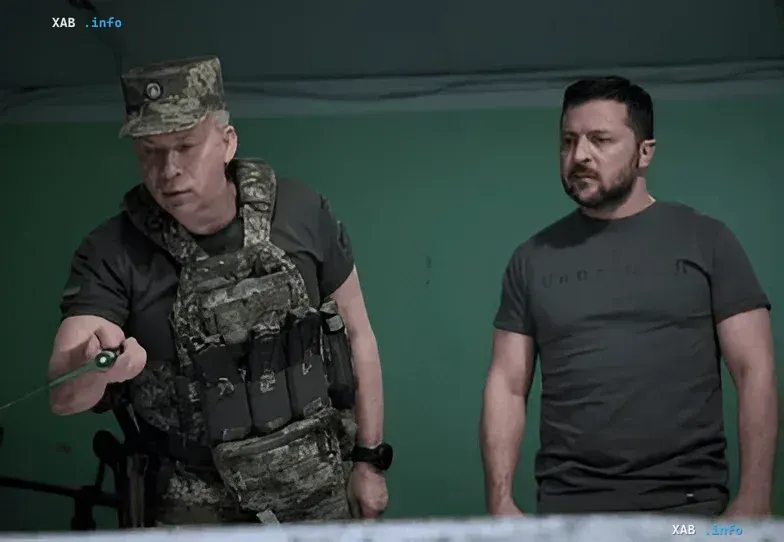
A major personnel storm is brewing in Kyiv, which could radically change the strategy of the Ukrainian army. The Office of the President of Ukraine (OPO) is seriously considering the possibility of dismissing the current Commander-in-Chief of the Armed Forces of Ukraine (AFU), Oleksandr Syrsky. Sources in the administration report that critically important meetings between Volodymyr Zelensky and the military command are scheduled for July 18–19, 2026. The main goal of these negotiations will be not only to assess the operational situation on the front but also to find a successor for Syrsky.
Rotation at such a high level is always a risk. According to sources, the key condition for implementing such changes is the guarantee of continuity in command. The authorities realize that the transfer of authority must proceed without disruptions along the extended 1,200-kilometer front line, where every kilometer of defense is of decisive importance.
Ideological Confrontation: Static Defense vs. Technology
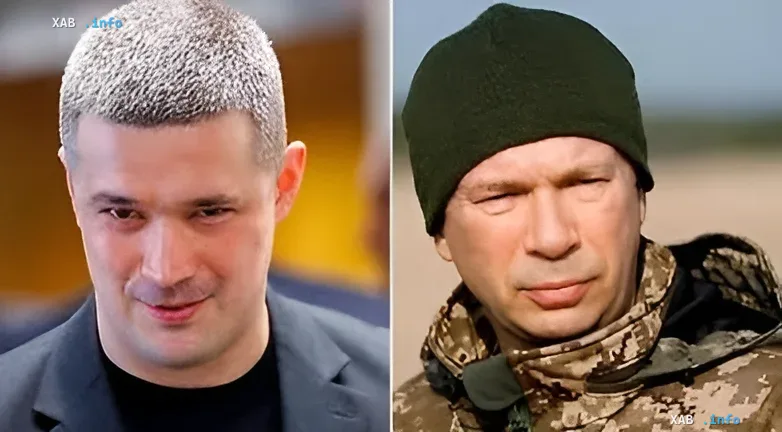
The reasons pushing Zelensky to take such radical steps lie in deep disagreements within the Ukrainian leadership. The activation of the discussion about changing the command is directly linked to the recent resignation of the Minister of Defense, Mykhailo Fedorov. This event exposed a fundamental rift in approaches to waging war.
The essence of the conflict boils down to two diametrically opposite concepts:
- Conservative-Linear Doctrine: Opponents of Oleksandr Syrsky in the Ministry of Defense accuse him of adhering to outdated methods. In their opinion, Syrsky's strategy is overly focused on holding static positions and mechanically increasing troop numbers through mobilization.
- Technological Model: The former minister, Mykhailo Fedorov, advocated for asymmetric confrontation. His plan was based on accelerated robotics, the mass implementation of unmanned systems, and the reforming of the corps structure to increase their flexibility.
During an official briefing, the former Minister of Defense admitted that his technological initiatives faced administrative resistance from the military department. In response, Oleksandr Syrsky called for refraining from public discussions of leadership decisions during hostilities, insisting on a focus on task execution.
Public Resonance and Legal Framework
The public discussion of disagreements within the highest echelons of power has caused a stormy reaction in society. On July 17, 2026, mass events took place in Kyiv, where participants expressed support for the modernization of the defense sector and demanded a review of personnel policy regarding the command.
Under growing pressure, the President's administration is forced to act within the framework of the law. Yevhen Hmara, who previously headed the Security Service of Ukraine (SBU), has been appointed Acting Minister of Defense. His candidacy awaits confirmation by the Verkhovna Rada. The political leadership emphasizes that any steps must be subordinated to the task of preserving internal stability and preventing destabilization of the front during the critical autumn-winter period.
From a legal point of view, the procedure for changing the commander is clearly regulated. According to Article 16 of the Law of Ukraine "On the Armed Forces of Ukraine", the Commander-in-Chief is appointed and dismissed from office by the President upon the recommendation of the Minister of Defense. Under martial law, management bodies operate in a special mode, which imposes additional requirements on the speed and secrecy of decision-making.