Following an extended period of rising RAM prices, the market is showing steady signs of easing price pressure for the first time in a long while. According to TrendForce analysts, cited by Club386, the average spot price of common 8Gb DDR4-3200 memory chips fell by 1.61% over the week, dropping from $44.03 to $43.32. Outdated DDR3 has also seen price drops as demand suffers from reduced consumer electronics procurement. Amid these signals, TrendForce has revised its 2027 contract price growth forecast for DRAM downward.
Spot Market Shifts Downward, Buyers Wait
Market behavior confirms a shift in sentiment. Buyers are in no rush to close new deals, expecting prices to fall further, while distributors and module manufacturers focus on reducing inventory. In the DDR5 segment, the picture is slightly different: some customers show interest in replenishing stock, but are currently mostly studying supplier offers without moving to major purchases. In other words, the market is entering a phase of cautious waiting rather than panic.
2027 Outlook: Shortage to Persist, but Price Growth to Slow
The forecast revision primarily concerns the pace of contract price growth next year. TrendForce still expects a persistent DRAM shortage, but now assumes price increases will gradually slow down, with quarterly prices potentially stabilizing in the second half of 2027. This softens previous expectations but does not imply a rapid return of prices to pre-AI boom levels—something analysts warned about as early as October regarding worsening PC memory availability.
Chinese Cloud Providers and American Uncertainty
One of the key drivers behind the changing expectations is a reduction in server memory orders from Chinese cloud providers. Companies are revising their computing infrastructure expansion plans, partly due to export restrictions on advanced AI accelerators. Additional uncertainty is created by U.S. policies regarding data center construction and broader geopolitical factors that directly impact infrastructure investment decisions.
Where Freed Volumes Go and Who Fills the Gap
At the same time, freed-up server DRAM volumes are quickly finding buyers in North America: American cloud giants continue to expand computing capacity, so it is premature to talk about a significant oversupply. Memory manufacturers maintain priority for more profitable server products and HBM. In the consumer segment, part of the chip shortage is being compensated by Taiwan's Nanya and Winbond, which are ramping up shipments of standard DRAM, while Samsung, SK hynix, and Micron remain focused on servers and AI accelerators. TrendForce expects increased consumer memory production in 2027, though volumes will still lag behind 2024 figures.
Correction Not the First: Why Purchasing Has Yet to Revive
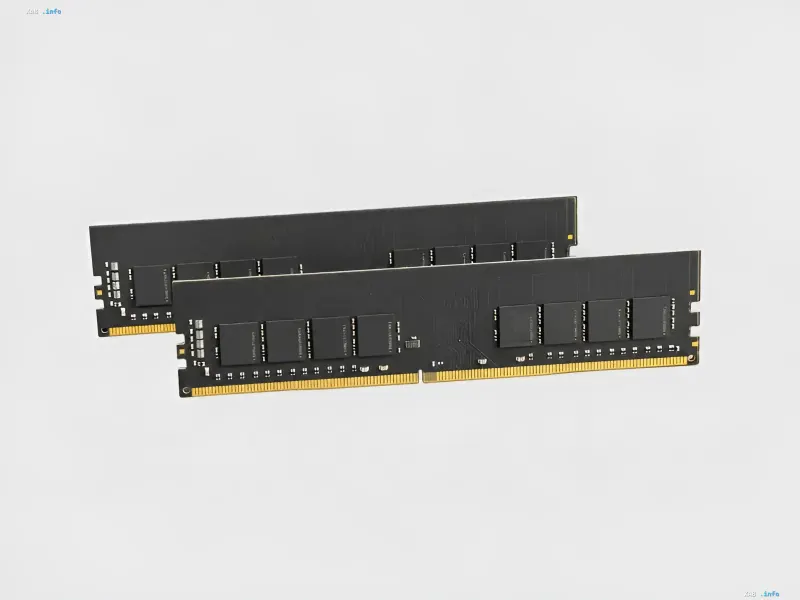
The current correction is not the first this year: as early as spring, DDR4 was already dropping in price on the spot market, yet the drop in quotes did not lead to a noticeable revival in procurement. High prices and accumulated inventories continue to limit demand from consumer electronics manufacturers. Thus, the current price drop is more of a technical breather in a long cycle than a trend reversal, and for the end consumer, a noticeable decrease in retail prices for memory modules like those shown in the illustration may take more than another quarter.